
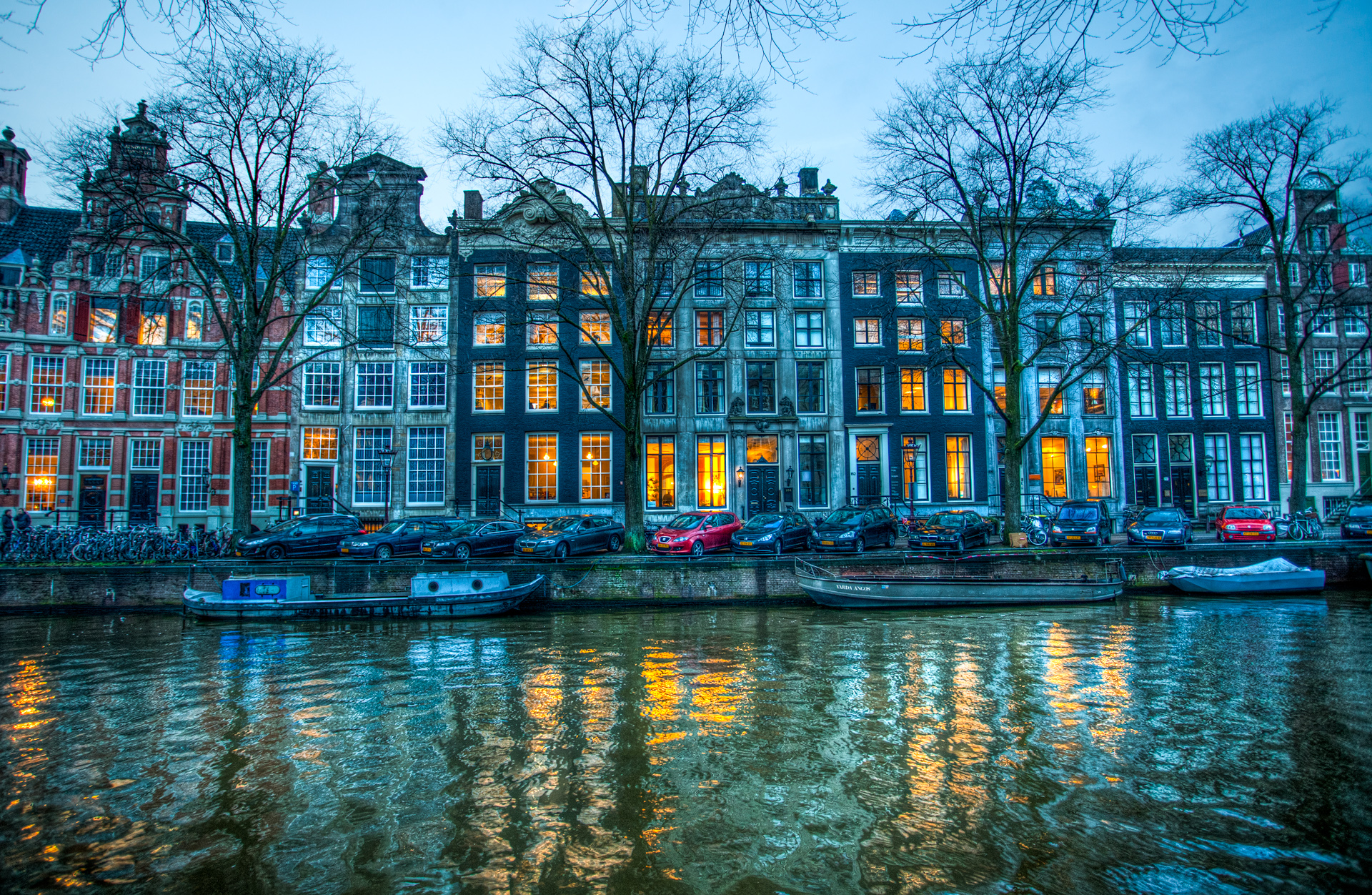

Canals and gabled houses, world-class museums, tulip fields and windmills, all within easy reach by train or bike. The Netherlands is small, flat and wonderfully easy to explore, and there is far more to it than Amsterdam.
Facts checked: October 2026.
The Netherlands at a glance
- Best time to go: mid-March to mid-May for the tulips, June to September for long, light evenings and the beach.
- How long to stay: three days for Amsterdam, a week to add two or three other cities.
- Main airport: Amsterdam Schiphol (AMS), 15 to 20 minutes by train from Amsterdam Centraal. Direct trains also run from London, Brussels and Paris.
- Money: euro (EUR). Cards are accepted almost everywhere, and some places are card-only.
- Entry: part of the Schengen area. Many non-EU visitors, including British, American, Canadian and Australian citizens, can visit visa-free for up to 90 days in any 180-day period. See Before you go below.
When to go


- Spring (March to May): the bulb fields flower from about late March to early May, and Keukenhof gardens open for the season (in 2027: 18 March to 09 May). King’s Day on 27 April turns the country orange.
- Summer (June to August): the busiest and warmest season, with festivals, café terraces and beaches along the North Sea coast.
- Autumn (September to November): quieter and often mild, with good museum weather.
- Winter (December to February): cold and grey, but cosy, with lights along the canals and fewer crowds.
Where to go and where to stay
- Amsterdam: the Canal Ring and the Jordaan for the classic picture, De Pijp for markets and cafés, Oost for green space and calmer streets. Hotels are expensive and the city adds a tourist tax of 12.5% of the room price; staying in Haarlem or Utrecht and travelling in can save money.
- Rotterdam: bold modern architecture, the Markthal, the cube houses and a lively harbour. Close to the windmills of Kinderdijk.
- The Hague and Delft: the Mauritshuis and its Dutch masters, the seaside at Scheveningen, and Delft’s canals and blue pottery a short tram ride away.
- Utrecht: canals with waterside terraces at the old wharf cellars, and the Dom Tower over a compact, student-filled centre. Under 30 minutes from Amsterdam.
- Haarlem and Leiden: charming historic towns on the edge of the bulb fields, and calmer bases for Amsterdam.
- ‘s-Hertogenbosch (Den Bosch) and North Brabant: a beautiful old fortified town, famous for its Bossche bol pastry, with the Efteling theme park nearby.
- Maastricht: in the far south, with a different, more southern feel, good food and hills.
- Further afield: the car-free village of Giethoorn, the Wadden island of Texel, and the Hoge Veluwe National Park with the Kröller-Müller Museum.
Stays
Compare places to stay in the Netherlands
Opening soon
Things to do in the Netherlands
Museums in Amsterdam
The Rijksmuseum (Rembrandt’s The Night Watch and Vermeer), the Van Gogh Museum and the Anne Frank House. Tickets for all three are sold online for a set time slot; the Anne Frank House in particular sells out weeks ahead, so book as soon as you know your dates.
A canal cruise
The best first view of Amsterdam, and good on a rainy day too. Smaller open boats can reach the narrower canals.

Windmills
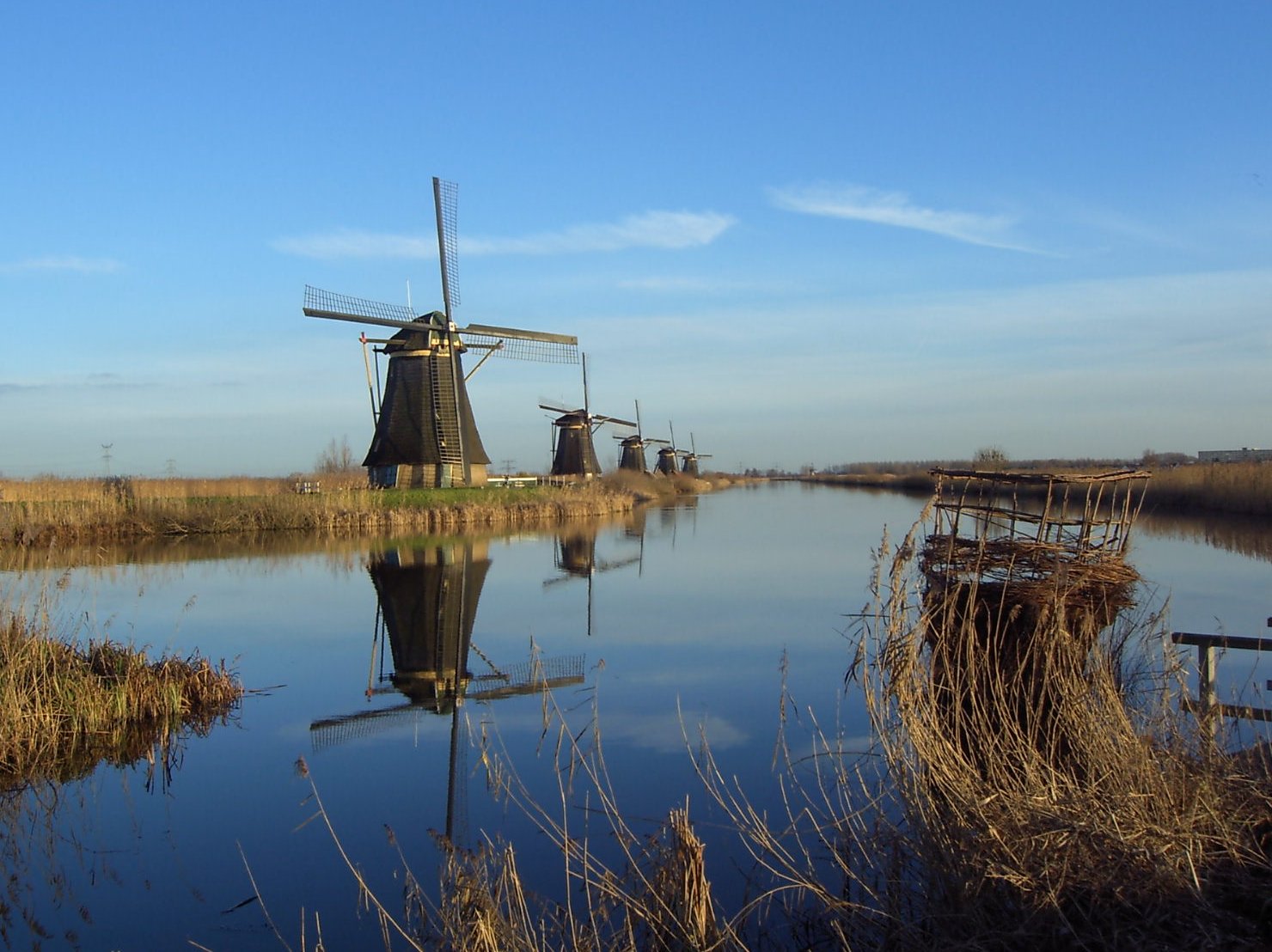
Kinderdijk, near Rotterdam, has 19 windmills from the 18th century and is a UNESCO World Heritage Site. Zaanse Schans, north of Amsterdam, is a museum village of windmills and wooden houses; an entry ticket for visitors is planned from April 2027, so check before you go.
Tulip fields and Keukenhof
Between Haarlem and Leiden, the bulb fields turn into stripes of colour in spring. Keukenhof is the famous show garden; cycling between the fields is the best way to see them.
Cycling
The Netherlands has more bicycles than people and a network of safe, signposted cycle routes. Rent a bike for a day in the countryside, but in Amsterdam keep to the bike lanes and watch the locals before joining the rush hour.

Cheese markets and food
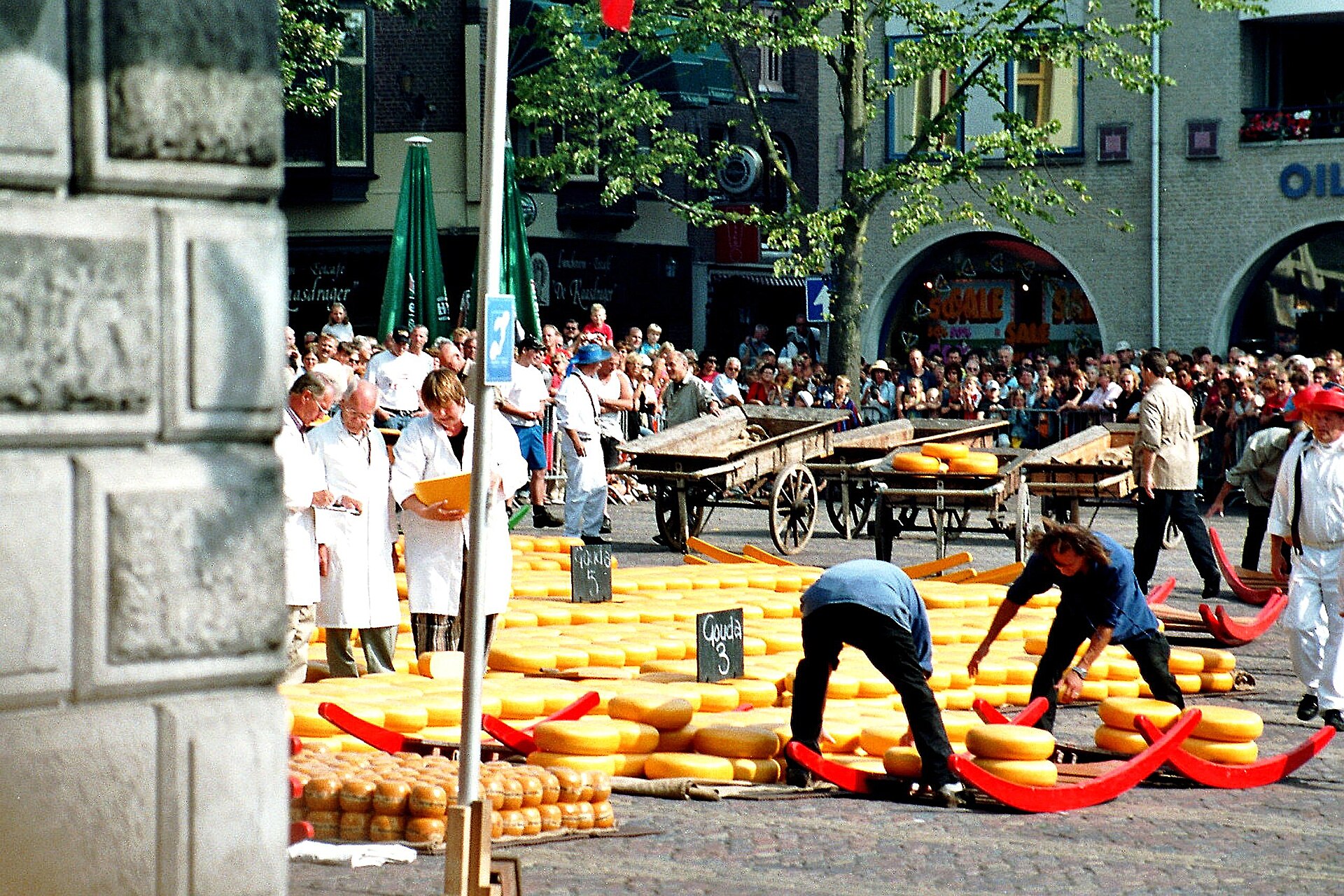
Alkmaar’s traditional cheese market runs on Friday mornings from spring until late summer. Try stroopwafels, raw herring at a fish stall, apple pie with cream, and an Indonesian rijsttafel.
The coast
Long sandy beaches run the length of the country. Scheveningen, Zandvoort and Bloemendaal are an easy train ride from the cities.
Tours and activities
Compare tours and activities in the Netherlands
Opening soon
Getting there and getting around
Arriving
- By air: Amsterdam Schiphol is one of Europe’s main hubs. Trains run to Amsterdam Centraal every few minutes, about 15 to 20 minutes and around €6. Direct trains also run from Schiphol to Leiden, The Hague, Rotterdam and Utrecht.
- By train: Eurostar runs direct from London to Amsterdam in about four hours, and from Brussels and Paris.
Flights
Compare flights to Amsterdam
Opening soon
Around the country
- Trains are frequent, fast and connect every city. Most journeys between the main cities take under an hour.
- Pay with your bank card: tap a contactless Visa or Mastercard, or your phone, at the gate or card reader when you board, and tap again when you leave. Forgetting to tap out costs you a much higher fare. Use the same card each time.
- Trams, metro and buses run in the big cities and use the same tap-in, tap-out system. A day ticket can be cheaper if you make many trips.
- Bikes can be hired in every city and at many stations.
Car hire
You do not need a car for the cities: parking is scarce and expensive, and many city centres have low-emission zones. A car is useful for the countryside, the coast and the national parks; park at a Park and Ride (P+R) on the edge of a city and take public transport in.
Car hire
Compare car hire in the Netherlands
Opening soon
Staying connected
Mobile coverage is excellent. Visitors with an EU phone plan can roam at home prices; others, including many UK plans, may pay extra. An eSIM with a data allowance is an easy way to avoid roaming charges.
eSIMs
Compare eSIMs for the Netherlands
Opening soon
Before you go
- Entry rules: EU and EEA citizens only need a valid ID card or passport. Many other nationalities, including British, American, Canadian and Australian citizens, can visit the Schengen area visa-free for up to 90 days in any 180-day period. At the border, the EU’s Entry/Exit System registers non-EU visitors with fingerprints and a photo. ETIAS, an online travel authorisation for visa-free visitors, is expected to start in 2027 and is not needed yet. Always check the latest official advice, for example GOV.UK travel advice for the Netherlands, or your own government’s.
- Money: have a card that works contactless. Some shops and cafés no longer accept cash.
- Bike lanes: do not walk in them, and look both ways before crossing; bikes come fast and quietly.
- Tourist tax: cities add a tax to hotel bills, highest in Amsterdam.
- Combine it: trains run south to Art Nouveau Antwerp and Brussels, and east towards brick Art Deco Hamburg.
Travel Emporium compares offers from trusted travel providers. When you book, you book and pay directly with the provider shown. Some links earn us a commission, at no extra cost to you. How we work