

Brussels is where Art Nouveau began. In 1893 Victor Horta finished a town house with a staircase of curling iron and painted vines, and the style spread across the city and the world. Add the Art Deco villas of the 1930s, the Grand-Place, chocolate, beer and comic strips, and Brussels makes a perfect long weekend, only two hours from London, Paris and Amsterdam by train.
Facts checked: November 2026.
Brussels at a glance
- Best time to go: April to June and September; March brings the Brussels Art Nouveau and Art Deco festival, with rare visits to private houses.
- How long to stay: two or three days, plus day trips to Ghent, Bruges or Antwerp.
- Airport: Brussels Airport (BRU), plus Brussels South Charleroi (CRL) for budget airlines.
- Money: euro (EUR). Cards are accepted almost everywhere.
- Entry: part of the Schengen area. Many non-EU visitors, including British, American, Canadian and Australian citizens, can visit visa-free for up to 90 days in any 180-day period. See Before you go below.
Then: Brussels around 1900
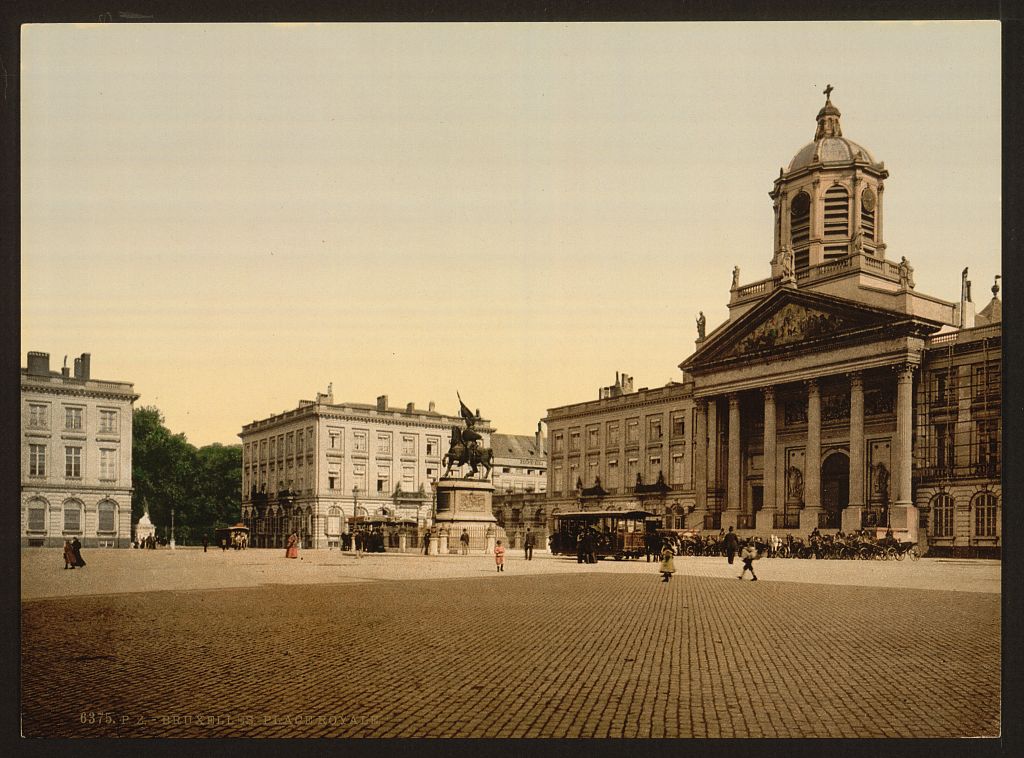

At the turn of the century Belgium was rich from industry and its colony in the Congo, and the Brussels middle class wanted homes that were modern. Victor Horta, Paul Hankar, Henry van de Velde and Paul Cauchie gave them iron, glass, mosaics and flowing lines. Horta’s Hôtel Tassel of 1893 is seen as the first Art Nouveau house; in 2000 four of his town houses were listed together as a UNESCO World Heritage Site.
Many buildings were lost to demolition in the 20th century, but hundreds survive, above all in Saint-Gilles, Ixelles and around the squares of Ambiorix and Marie-Louise. In the 1930s a new generation built in Art Deco, from the Villa Empain to the Flagey broadcasting house.
Where to stay
- Around the Grand-Place: the historic centre, close to everything, and busy.
- Sablon and the Mont des Arts: antique shops, chocolatiers and the museums.
- Saint-Gilles and Ixelles: the Art Nouveau quarters, with the Horta Museum, local bars and restaurants.
- The European Quarter: quieter at weekends, with good hotel deals then.
Stays
Compare places to stay in Brussels
Opening soon
Art Nouveau and Art Deco Brussels
The Horta Museum
Horta’s own house and studio in Saint-Gilles (1898–1901), with its light-filled stairwell and every detail designed by him. Visits are by timed ticket, booked online.
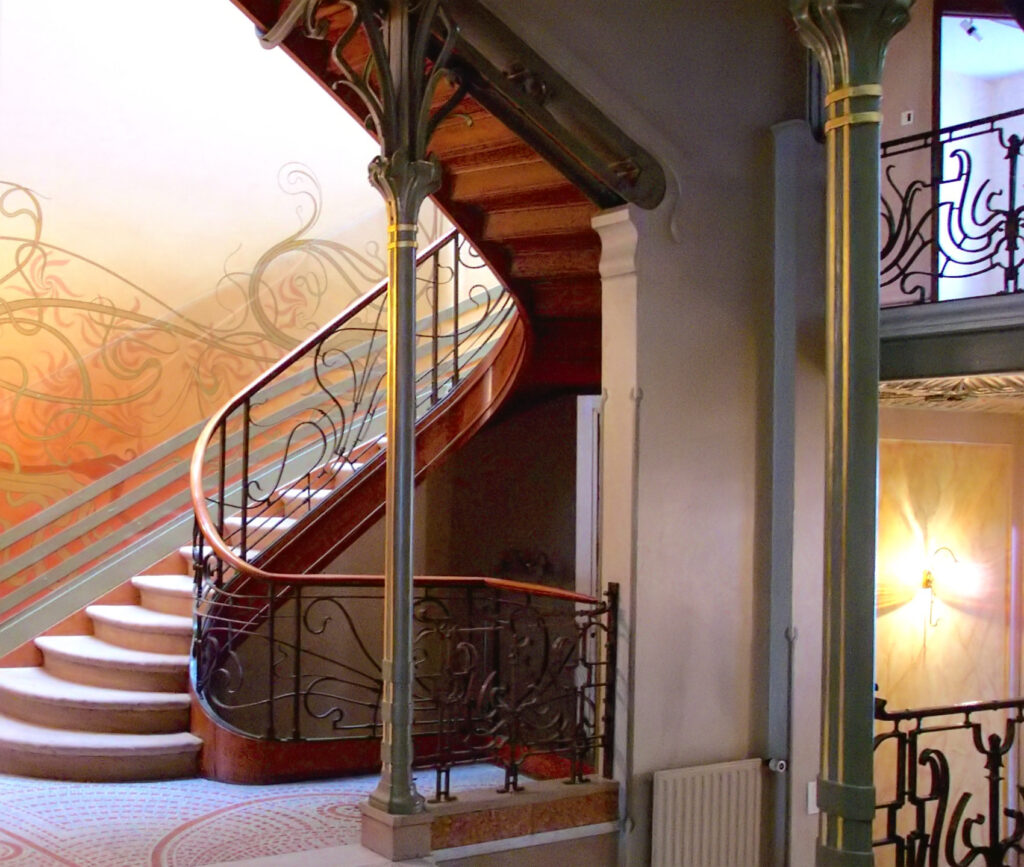

Hôtel Tassel
The house that started it all, on rue Paul-Émile Janson. It is privately owned and opens only for special visits and festival days, so check ahead.
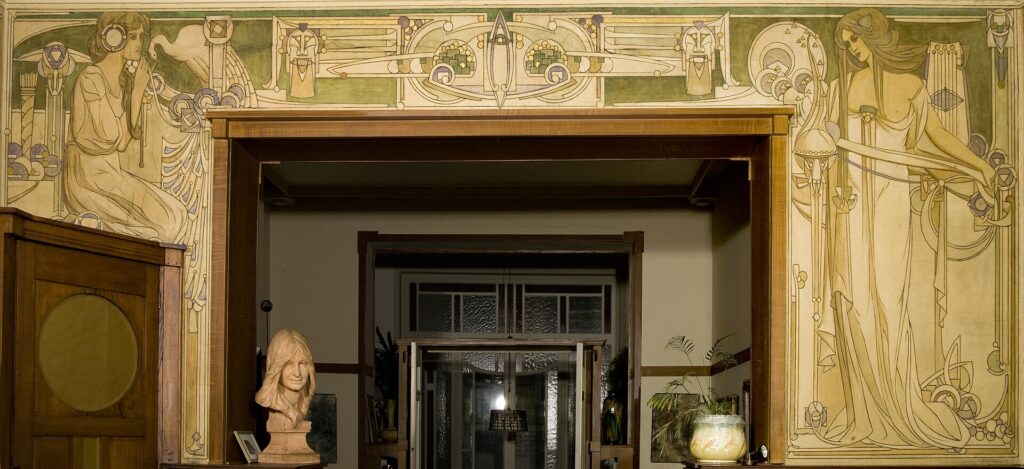

Maison Cauchie
The painter Paul Cauchie covered his 1905 house near the Cinquantenaire with sgraffito figures of women in gold and green. It opens to visitors only on certain weekends.
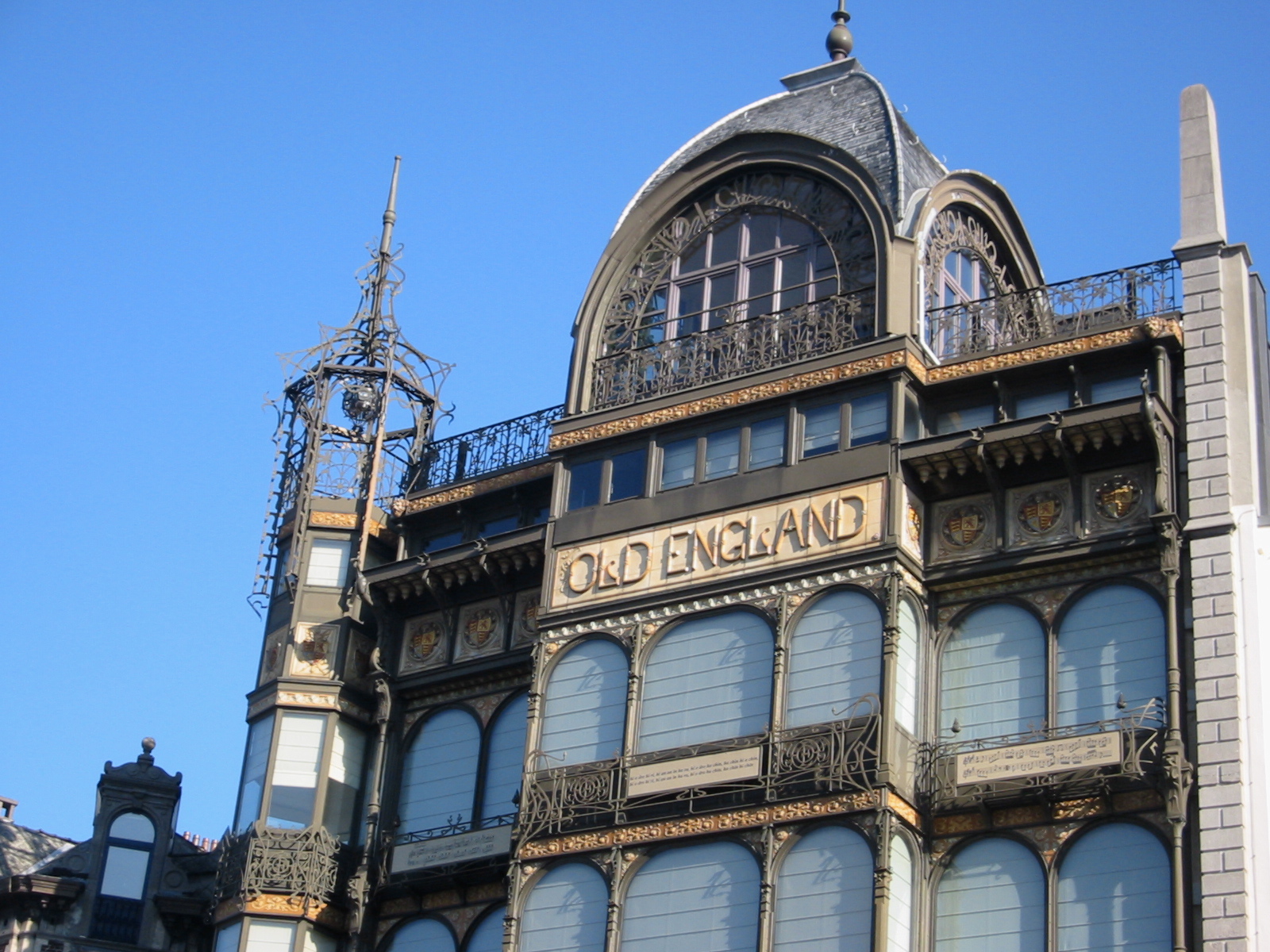
Old England and the Musical Instruments Museum
A former department store of 1899 in glass and black iron, now home to the Musical Instruments Museum, with a rooftop café and one of the best views of the city.
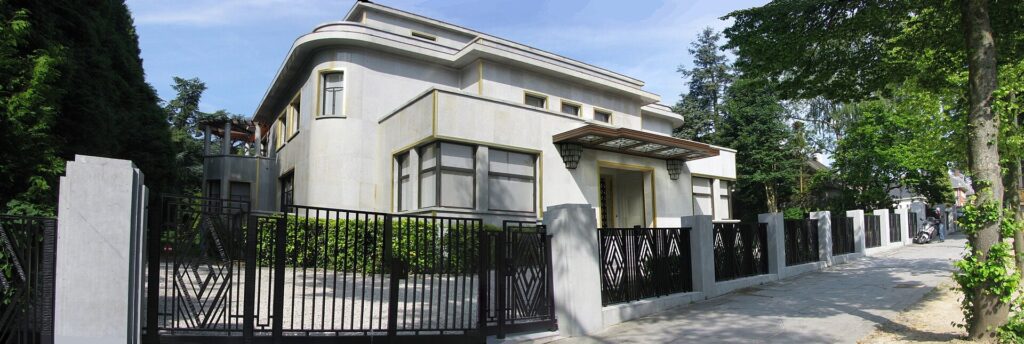

Villa Empain
An Art Deco mansion of the early 1930s in marble and bronze, now the Boghossian Foundation, which holds exhibitions about art between East and West.
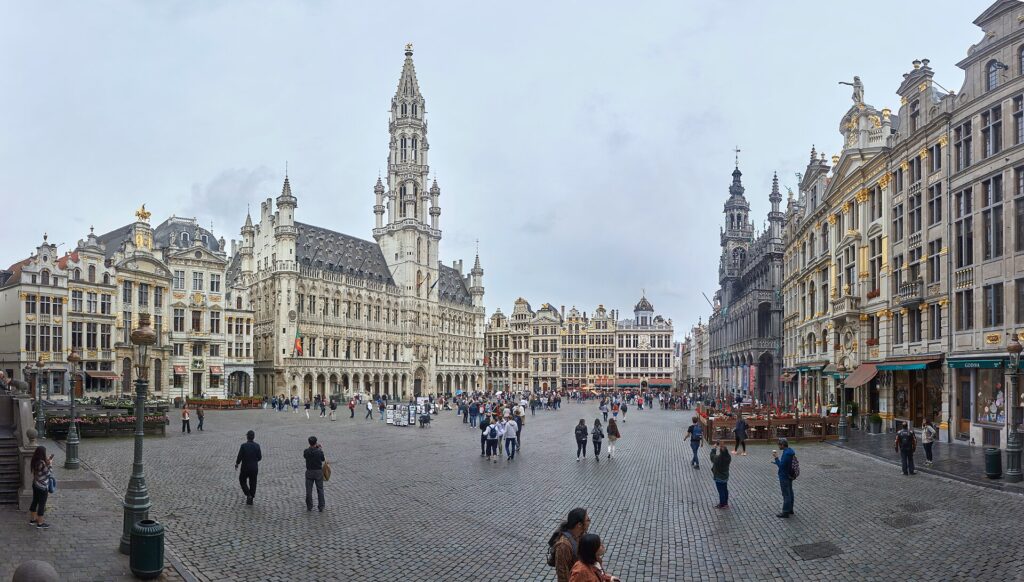

The Grand-Place
The gilded guild houses of the main square are older, but no visit is complete without them. Come back after dark, when they are lit.
Tours and activities
Compare tours and activities in Brussels
Opening soon
Getting there and getting around
Arriving
- By train: Eurostar from London to Brussels-Midi in about two hours; fast trains from Paris (about 1 hour 25 minutes) and Amsterdam.
- By air: trains from Brussels Airport reach the centre in about 20 minutes; buses connect Charleroi airport with Brussels-Midi.
Flights
Compare flights to Brussels
Opening soon
Around the city
- Metro, trams and buses (STIB): tap a contactless card or phone on the reader.
- On foot or by tram to the Art Nouveau quarters of Saint-Gilles and Ixelles.
- Car hire is not needed in the city, which has a low-emission zone; it is useful for the Ardennes.
Staying connected
Visitors with an EU phone plan can roam at home prices. Others, including many UK plans, may pay extra, so an eSIM with a data allowance is a simple alternative.
eSIMs
Compare eSIMs for Belgium
Opening soon
Before you go
- Entry rules: EU and EEA citizens only need a valid ID card or passport. Many other nationalities, including British, American, Canadian and Australian citizens, can visit the Schengen area visa-free for up to 90 days in any 180-day period. At the border, the EU’s Entry/Exit System registers non-EU visitors with fingerprints and a photo. ETIAS, an online travel authorisation, is expected to start in 2027 and is not needed yet. Always check the latest official advice, for example GOV.UK travel advice for Belgium, or your own government’s.
- Opening days: many museums close on Mondays, and several Art Nouveau houses open only on set days: check before you go.
- Languages: Brussels is officially bilingual, French and Dutch; English is widely spoken.
- Combine it: Antwerp and Lille are under an hour away by train, and our Art Nouveau by rail journey continues to Paris and Nancy. For the seaside, take the train to Ostend.
Travel Emporium compares offers from trusted travel providers. When you book, you book and pay directly with the provider shown. Some links earn us a commission, at no extra cost to you. How we work