
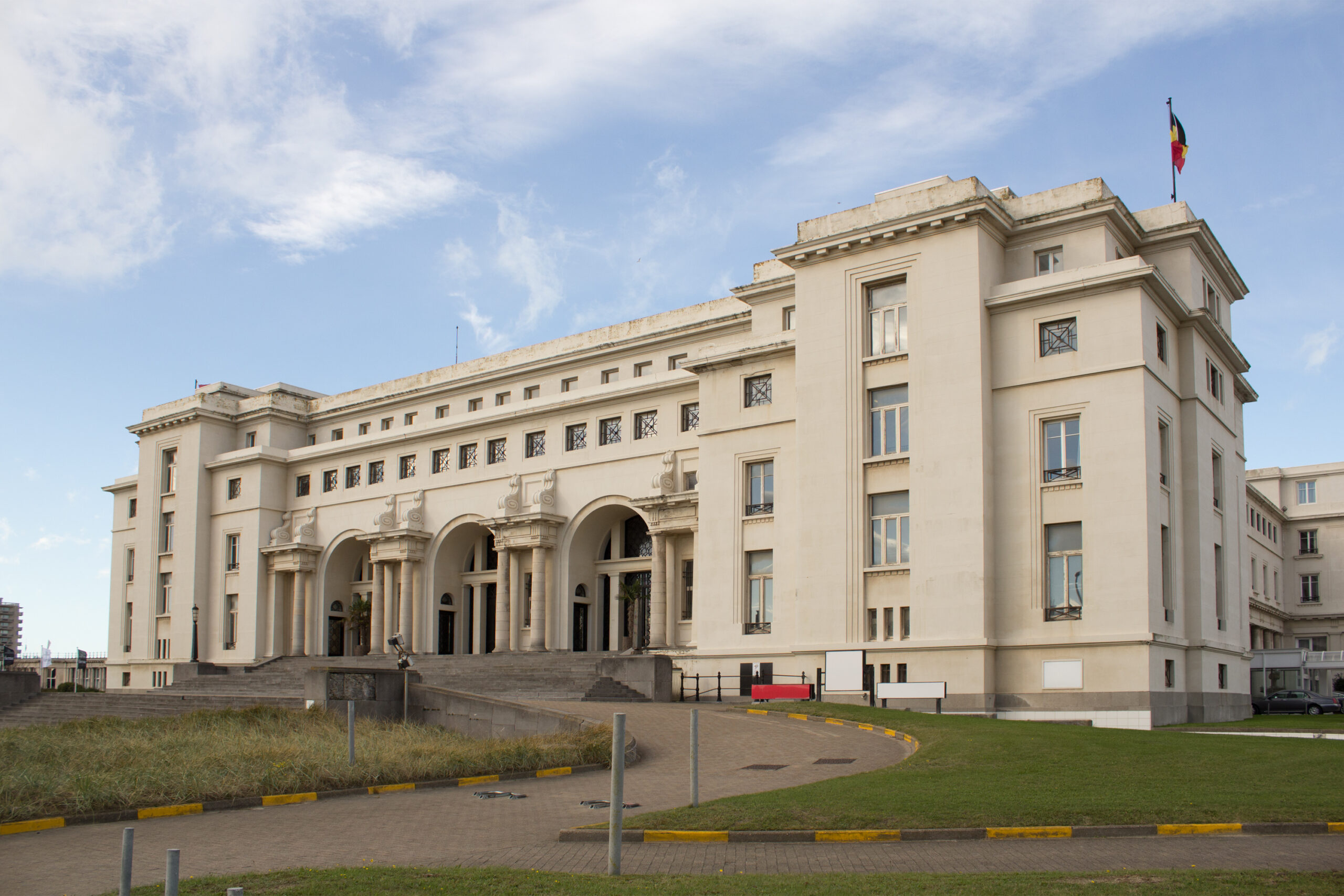

Ostend is the largest town on the Belgian coast, an hour and a quarter from Brussels by train. Around 1900 King Leopold II made it the queen of the seaside resorts, with royal galleries along the promenade, grand hotels and a casino by the beach. The Art Deco Thermae Palace of 1933, the modernist Kursaal of 1953 and the homes and pictures of the painters James Ensor and Léon Spilliaert make it a seaside town for art and architecture as well as the beach.
Facts checked: November 2026.
Ostend at a glance
- Best time to go: June to September for the beach; spring and autumn are quieter and good for walks and museums.
- How long to stay: one or two days, longer as a base for the coast.
- Getting there: trains from Brussels take about an hour and a quarter.
- Money: euro (EUR). Cards are accepted almost everywhere.
- Entry: Belgium is in the EU and the Schengen area. Many non-EU visitors, including British, American, Canadian and Australian citizens, can visit visa-free for up to 90 days in any 180-day period. See Before you go below.
Then: the queen of the seaside resorts

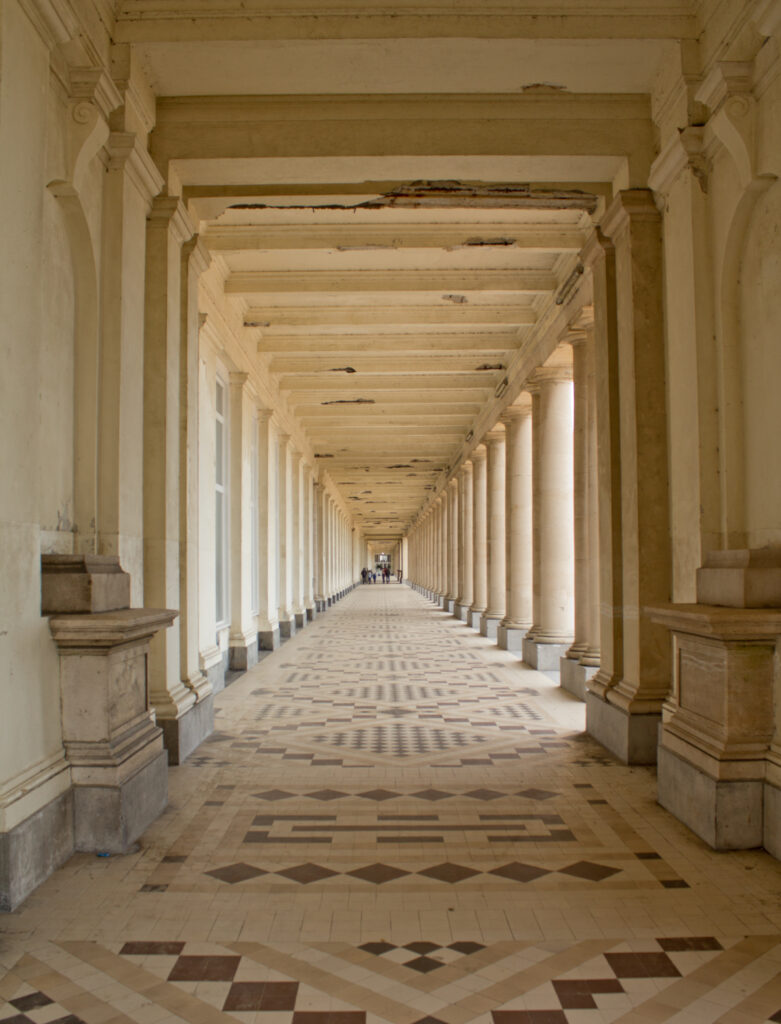
Belgian kings spent their summers in Ostend from the 1830s. Leopold II, who reigned from 1865 to 1909, turned the fishing port into a royal resort, and between 1902 and 1906 the French architect Charles Girault built the Royal Galleries, a colonnade of almost 400 metres along the sea for walks in any weather.
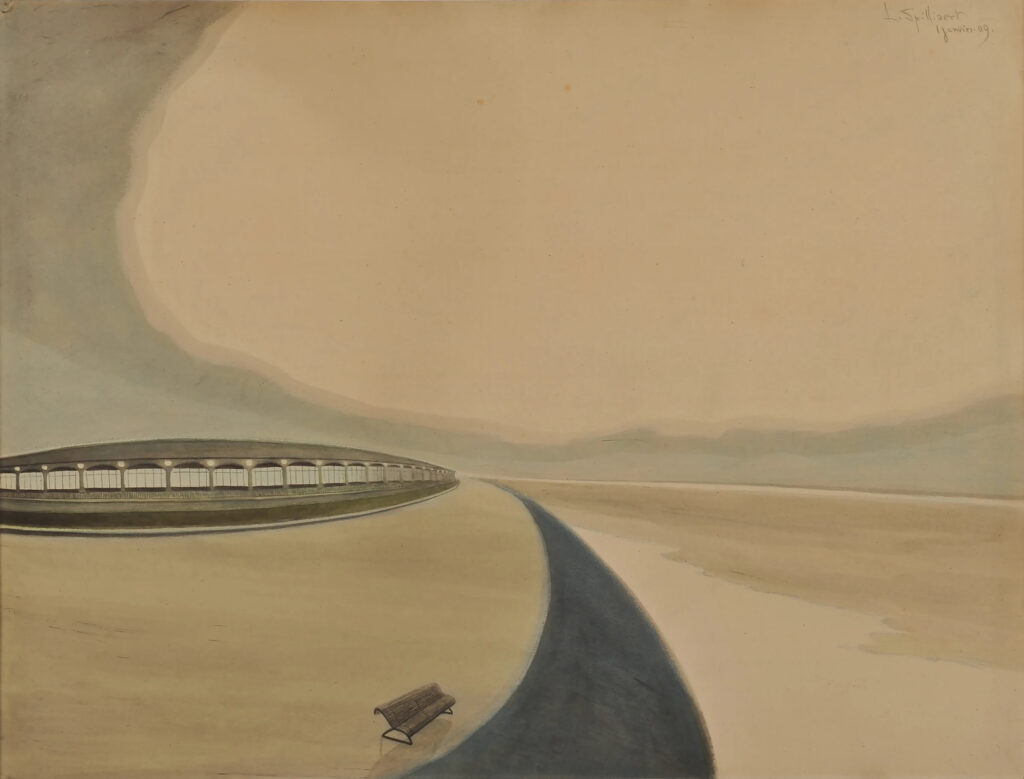
In 1909 the Ostend painter Léon Spilliaert painted the sea wall and the old Kursaal in dark, lonely blues. Between the wars the Thermae Palace hotel of 1933 brought Art Deco to the seafront, and after the old Kursaal was destroyed in the Second World War, Léon Stynen built the new one, opened in 1953.
Where to stay
- On the seafront: hotels and flats with sea views along the promenade.
- Near the Thermae Palace and the Royal Galleries: quieter, at the west end of the beach.
- In the town centre: close to the station, the fish market and the restaurants.
Stays
Compare places to stay in Ostend
Opening soon
Belle Époque and Art Deco Ostend

The Royal Galleries and the Thermae Palace
Walk the colonnade of 1902 to 1906, restored in 2026, past the Art Deco Thermae Palace hotel of 1933 at its centre.
The Kursaal
See the casino and concert hall of 1953 by Léon Stynen, with murals by Paul Delvaux inside, at the heart of the promenade.
The Ensor House
Visit the house where James Ensor lived and painted, above the shop of shells and masks run by his family, now restored as a museum.
Mu.ZEE
See the Belgian art of the 19th and 20th centuries, with rooms for Ensor and Spilliaert, in the museum of art by the sea.
Tours and activities
Compare tours and activities in Ostend
Opening soon
Getting there and getting around
Arriving
- By train: direct trains from Brussels in about an hour and a quarter, and from Bruges in about 15 minutes.
- From the UK: take the Eurostar to Brussels, then the train to the coast.
Flights
Compare flights to Brussels
Opening soon
Around the town
- On foot: the station, the centre and the promenade are close together.
- By coast tram: the Kusttram runs along the whole Belgian coast, from De Panne to Knokke.
- Car hire is useful for the countryside of West Flanders.
Car hire
Compare car hire in Belgium
Opening soon
Staying connected
Visitors with an EU phone plan can roam at home prices. Others, including many UK plans, may pay extra, so an eSIM with a data allowance is a simple alternative.
eSIMs
Compare eSIMs for Belgium
Opening soon
Before you go
- Entry rules: EU and EEA citizens only need a valid ID card or passport. Many other nationalities, including British, American, Canadian and Australian citizens, can visit the Schengen area visa-free for up to 90 days in any 180-day period. At the border, the EU’s Entry/Exit System registers non-EU visitors with fingerprints and a photo. ETIAS, an online travel authorisation, is expected to start in 2027 and is not needed yet. Always check the latest official advice, for example GOV.UK travel advice for Belgium, or your own government’s.
- Food: try the shrimp croquettes and fresh fish at the stalls by the harbour.
- Combine it: our Brussels and Antwerp guides are on the same railway, and Lille is just across the French border.
Travel Emporium compares offers from trusted travel providers. When you book, you book and pay directly with the provider shown. Some links earn us a commission, at no extra cost to you. How we work