

La Chaux-de-Fonds lies high in the Jura mountains of Switzerland, close to the French border. It was rebuilt after a fire in 1794 on a grid of long, sunny streets designed around the workshops of its watchmakers, and with nearby Le Locle it is a UNESCO World Heritage Site. Around 1905 its art school created a local Art Nouveau, the Style sapin, inspired by the fir trees of the Jura, and it was here that the young Le Corbusier was born and built his first houses.
Facts checked: November 2026.
La Chaux-de-Fonds at a glance
- Best time to go: May to September. At about 1,000 metres, winters are long, cold and snowy.
- How long to stay: one or two days, or a day trip from Neuchâtel or Bern.
- Getting there: by train from Neuchâtel in about 30 minutes; the nearest large airports are Geneva, Basel and Zurich.
- Money: Swiss franc (CHF). Cards are accepted almost everywhere.
- Entry: Switzerland is not in the EU but is in the Schengen area. Many non-EU visitors, including British, American, Canadian and Australian citizens, can visit visa-free for up to 90 days in any 180-day period. See Before you go below.
Then: La Chaux-de-Fonds around 1900
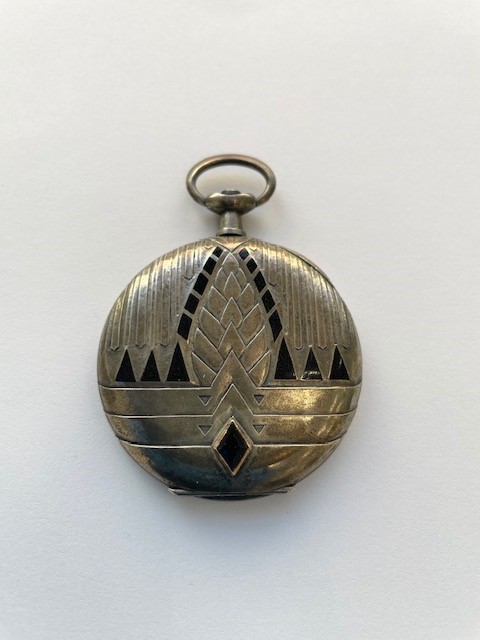

By 1900 La Chaux-de-Fonds was one of the watchmaking capitals of the world. Its art school trained engravers and enamellers for the watch trade, and under the teacher Charles L’Eplattenier its students turned the pines, cones and rocks of the Jura into a decorative style of their own, the Style sapin.
One of those students was Charles-Édouard Jeanneret, born in the town in 1887 and later known as Le Corbusier. His early villas here mix the Style sapin with the first signs of the modern architecture that made him famous.
Where to stay
- The town centre: around the Avenue Léopold-Robert, close to the station, museums and cafés.
- Near the station: convenient for day trips to Le Locle, Neuchâtel and the Doubs valley.
Stays
Compare places to stay in La Chaux-de-Fonds
Opening soon
Art Nouveau La Chaux-de-Fonds
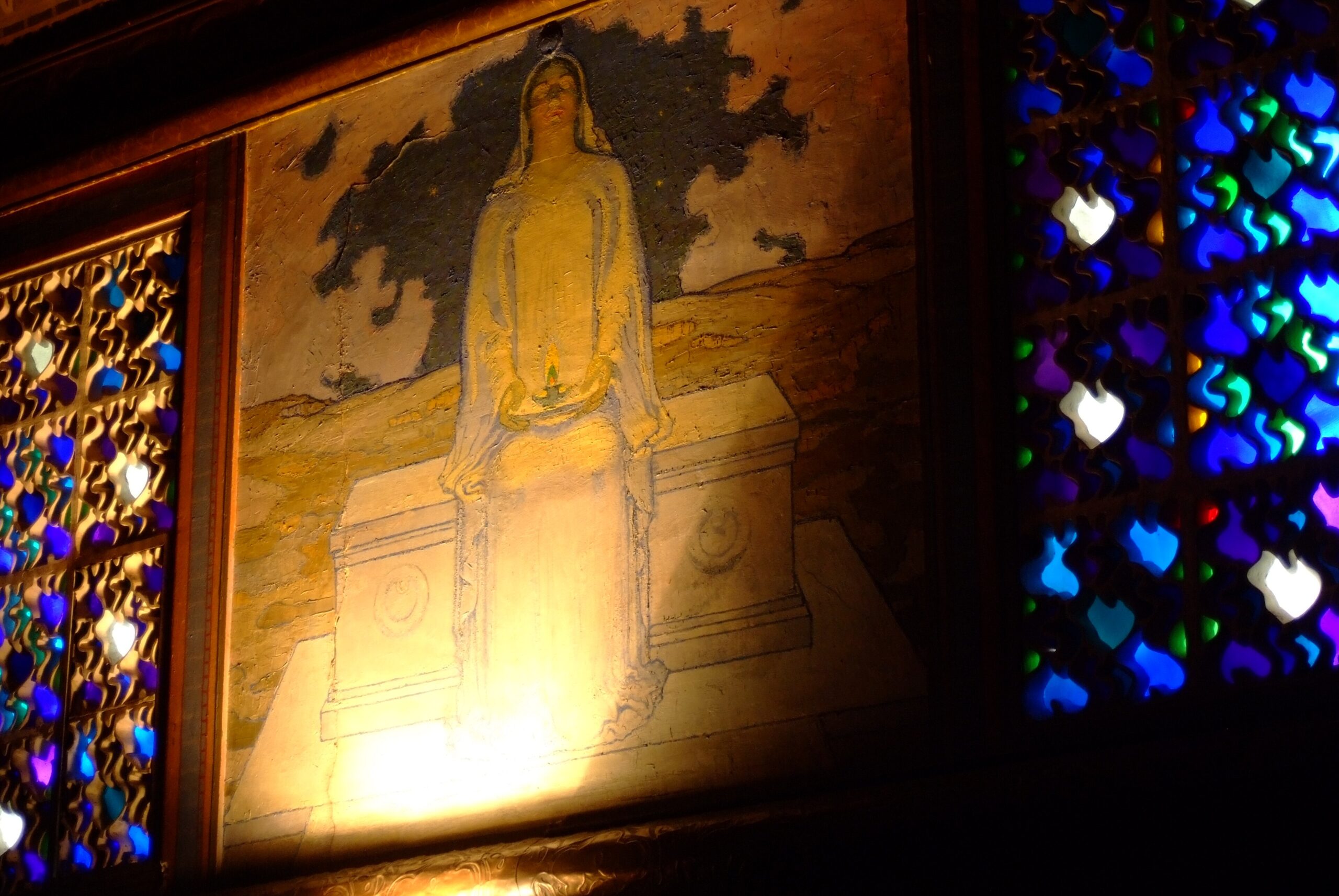
The crematorium
See the painted hall decorated by L’Eplattenier and his students, a masterpiece of the Style sapin. It is still in use, so visit on a guided tour or check the opening times with the tourist office.
Art Nouveau stairwells and facades
Look for painted stairwells, balconies and stained glass on the town’s apartment buildings. The tourist office has a map of an Art Nouveau trail, and some stairwells can only be seen on guided tours.
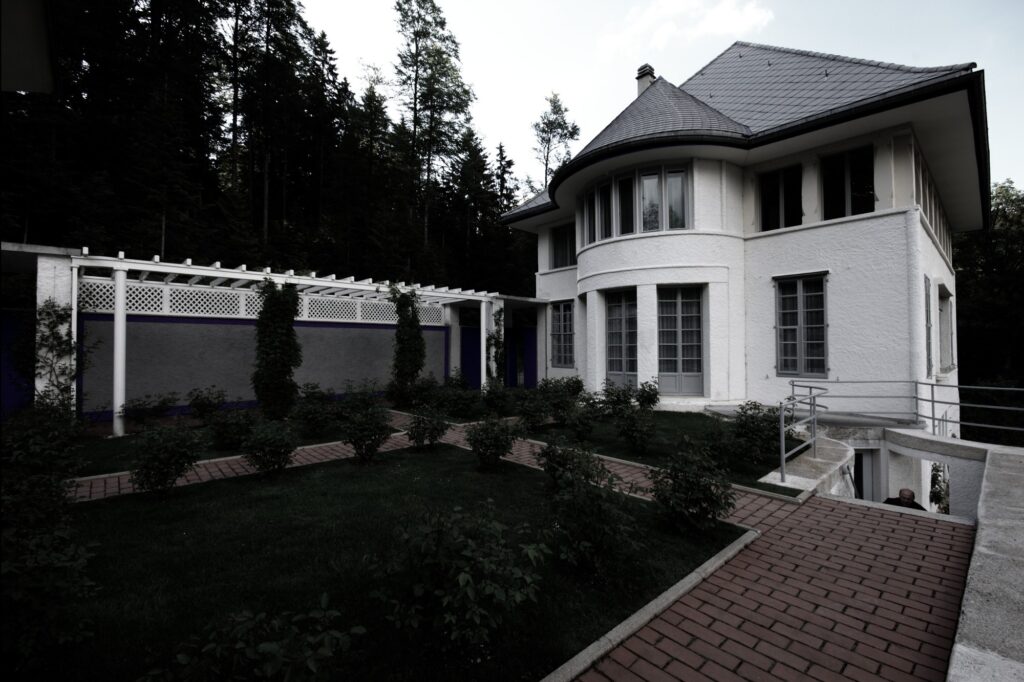

The Maison Blanche
Visit the house Le Corbusier built for his parents in 1912, now open to visitors on some days of the week.
The International Museum of Horology
Follow five centuries of timekeeping in a museum built partly underground, with workshops where you can watch clocks and watches being restored.
Tours and activities
Compare tours and activities in La Chaux-de-Fonds
Opening soon
Getting there and getting around
Arriving
- By train: from Neuchâtel in about 30 minutes, and from Bern via Biel/Bienne. Swiss trains run on time and connect well, and a Swiss Travel Pass may suit a longer trip.
- By air: Geneva, Basel and Zurich airports all have train stations; Geneva is about two hours away by train.
Flights
Compare flights to Switzerland
Opening soon
Around the town
- On foot: the grid of streets makes the centre easy to explore.
- By bus: local buses climb to the Maison Blanche and the upper streets.
- By train: Le Locle, the second half of the UNESCO site, is a few minutes away.
Car hire
Compare car hire in Switzerland
Opening soon
Staying connected
Switzerland is not in the EU, so EU roaming rules do not apply and many phone plans charge extra. An eSIM with a data allowance is a simple way to stay online.
eSIMs
Compare eSIMs for Switzerland
Opening soon
Before you go
- Entry rules: EU and EEA citizens only need a valid ID card or passport. Many other nationalities, including British, American, Canadian and Australian citizens, can visit the Schengen area visa-free for up to 90 days in any 180-day period. At the border, the Entry/Exit System registers non-EU visitors with fingerprints and a photo. ETIAS, an online travel authorisation, is expected to start in 2027 and is not needed yet. Always check the latest official advice, for example GOV.UK travel advice for Switzerland, or your own government’s.
- Pack warm clothes: even in summer, evenings in the Jura can be cool.
- Combine it: our Glacier Express journey crosses the Swiss Alps, and Art Nouveau Strasbourg and Nancy are a few hours away by train.
Travel Emporium compares offers from trusted travel providers. When you book, you book and pay directly with the provider shown. Some links earn us a commission, at no extra cost to you. How we work