
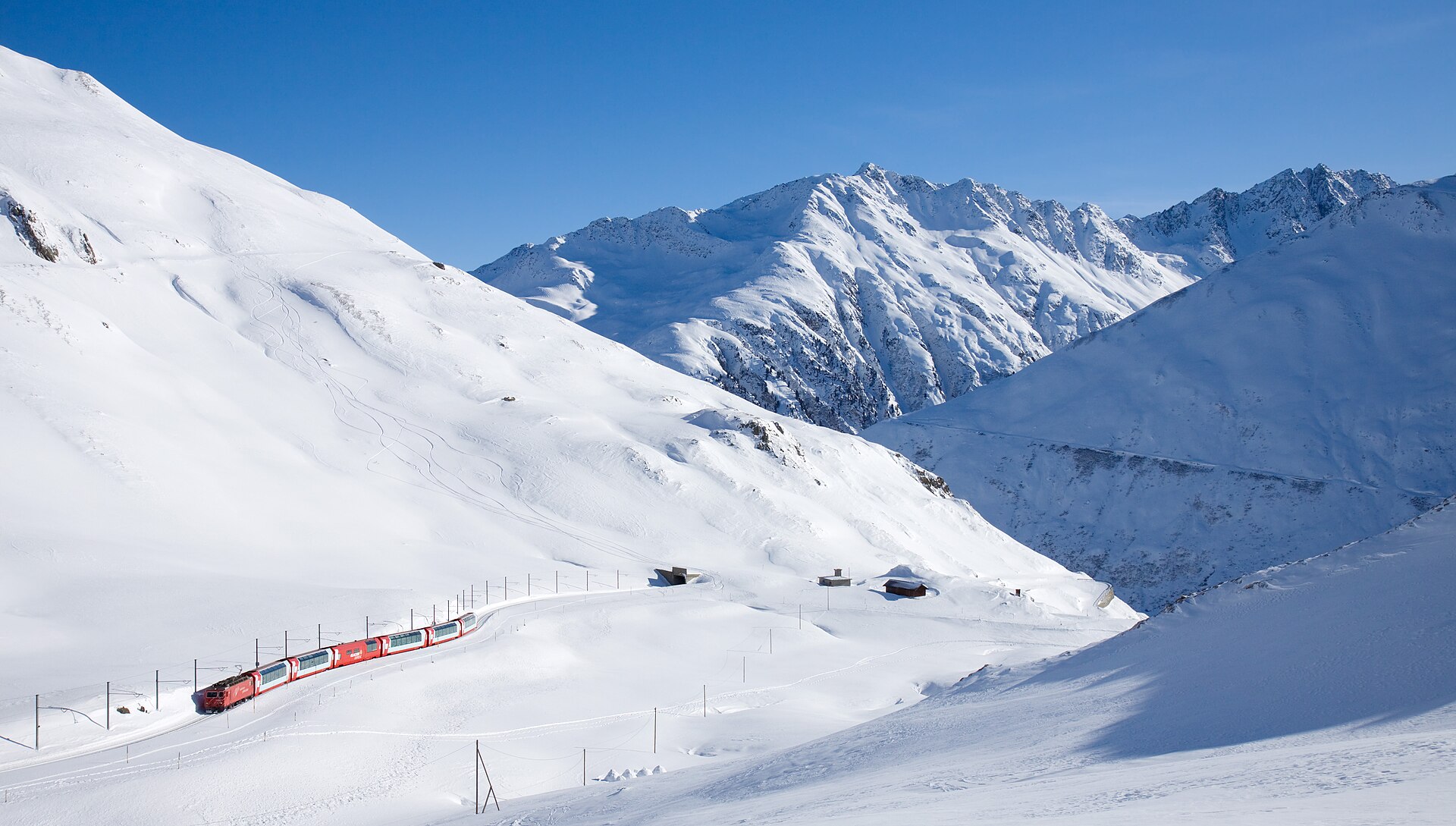

On 25 June 1930 a new train left Zermatt, below the Matterhorn, for St. Moritz in the Engadine. Called the Glacier Express, it crossed the Swiss Alps on narrow-gauge lines over passes, viaducts and through spiral tunnels. Nearly a century later it still runs, now with panoramic carriages, and its slow pace has made it one of the most famous scenic train journeys in the world.
Facts checked: November 2026.
The Glacier Express at a glance
- The route: Zermatt to St. Moritz, or Davos, through the Rhône and Rhine valleys and over the Oberalp Pass.
- How long: about eight hours from end to end, at an average speed that has earned it the nickname of the slowest express train in the world.
- Since: 1930; year-round since the Furka Base Tunnel opened in 1982.
- Highlights: the Oberalp Pass, the Rhine Gorge and the Landwasser Viaduct on the Albula line, part of a UNESCO World Heritage Site.
Then: a train between two resorts
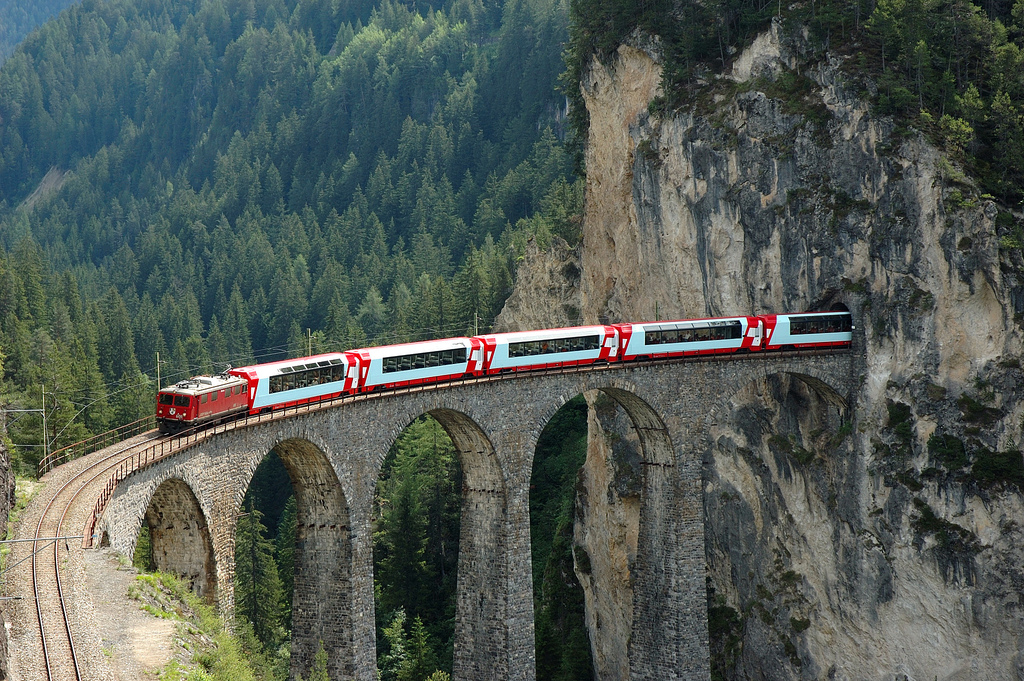

By 1930 Zermatt and St. Moritz were already among the most fashionable mountain resorts in Europe, popular with British climbers and winter guests. When the last link over the Furka Pass was finished, the railways could offer a through train between them, and the Glacier Express was born. It took its name from the Rhône Glacier, which passengers could see from the old line over the Furka.
The line uses older engineering wonders: the Landwasser Viaduct of 1902 carries the train straight into a tunnel in a cliff face. In winter the high Furka section was closed by snow, until the Furka Base Tunnel opened in 1982 and the train could run all year.
The two ends of the line
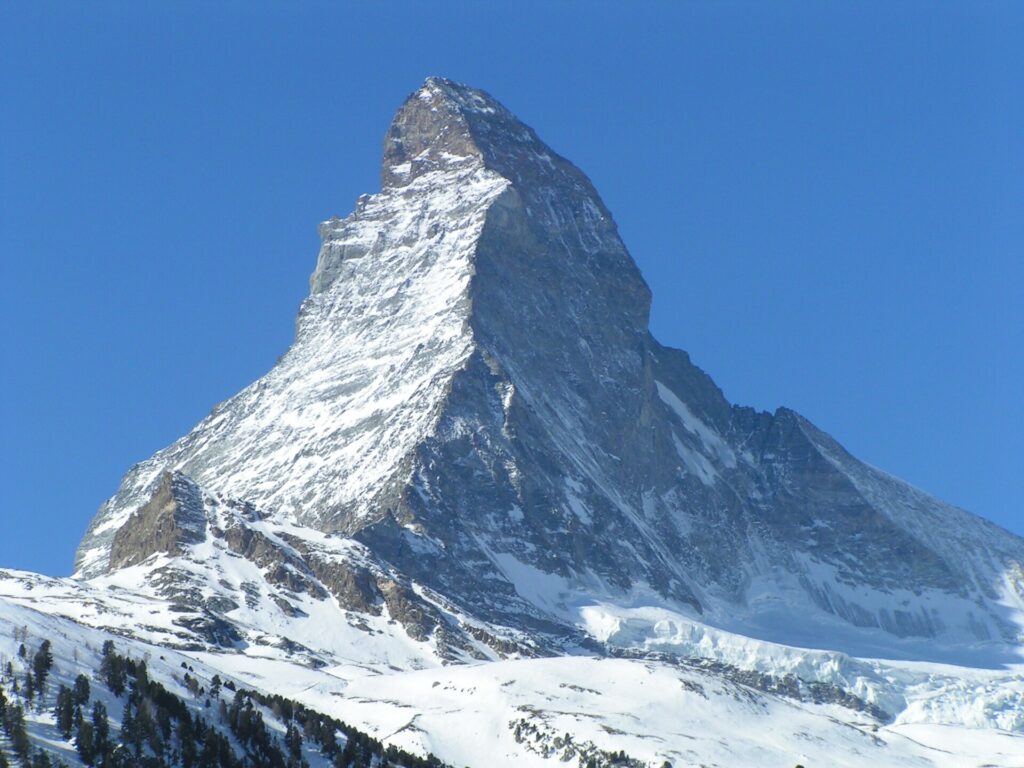

Zermatt
A car-free village below the Matterhorn, with skiing in winter and walking in summer. Ride the Gornergrat railway for a view of the mountain and its glaciers.
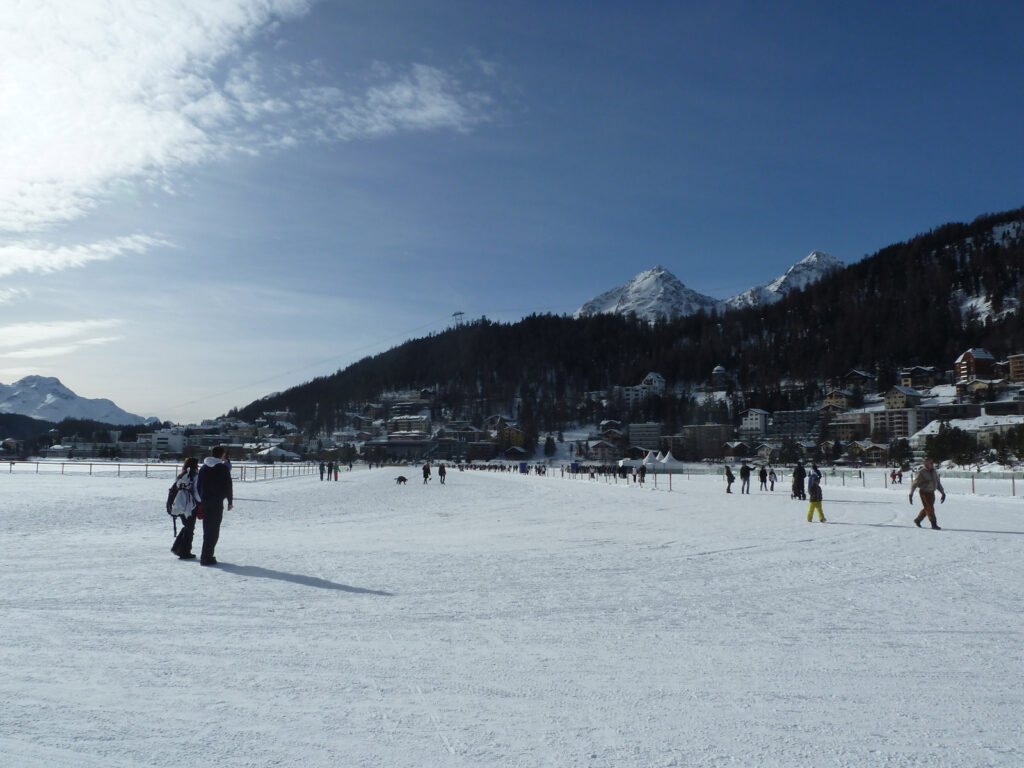

St. Moritz
The Engadine resort that claims to have invented winter tourism, with grand hotels of the Belle Époque above its lake. It hosted the Winter Olympics in 1928 and 1948.
Stays
Compare places to stay in Zermatt and St. Moritz
Opening soon
Making the journey today
- Tickets and seats: a seat reservation is required on the Glacier Express, on top of a ticket or a Swiss travel pass. Book with the railway early for summer and for the Excellence Class.
- Shorter sections: if eight hours is too long, ride only the most scenic part, for example from Andermatt over the Oberalp Pass to Chur, or the Albula line from Chur to St. Moritz.
- Getting there: fly to Zurich or Geneva and continue by train; Swiss trains run from both airports.
- Combine it: for Swiss Art Nouveau, add a day in the watchmaking town of La Chaux-de-Fonds in the Jura.
Flights
Compare flights to Zurich and Geneva
Opening soon
Tours and activities
Compare tours and activities in the Swiss Alps
Opening soon
Travel Emporium compares offers from trusted travel providers. When you book, you book and pay directly with the provider shown. Some links earn us a commission, at no extra cost to you. How we work