
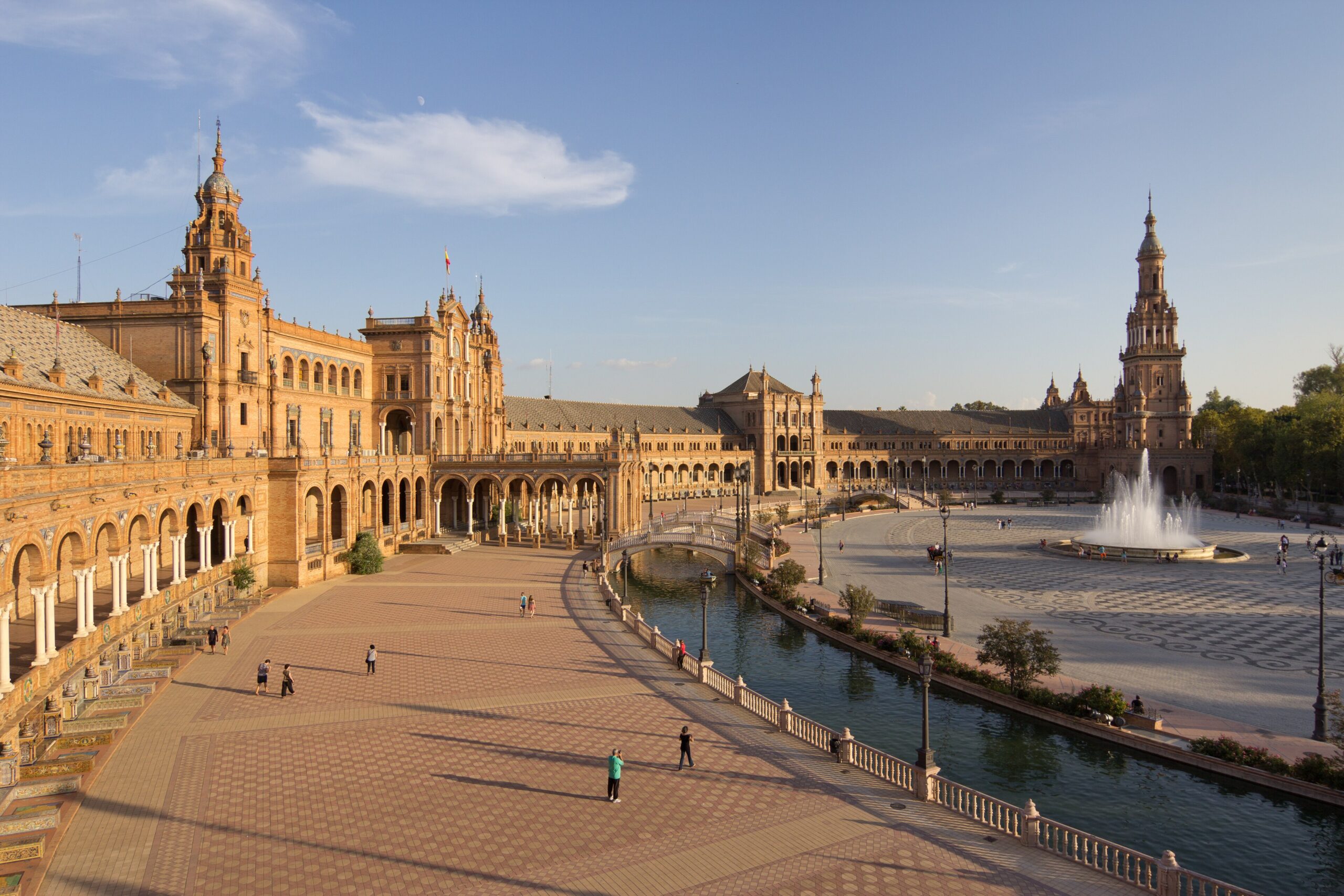

Long lunches and late nights, Moorish palaces and modernist marvels, wild green coasts in the north and sunshine almost all year in the south. Spain’s high-speed trains make it easy to combine a city break with a beach or the mountains.
Facts checked: October 2026.
Spain at a glance
- Best time to go: April to June and September to October, when it is warm but not too hot.
- How long to stay: three or four days per city, a week or two to combine regions.
- Main airports: Madrid-Barajas (MAD) and Barcelona-El Prat (BCN), plus Málaga, Seville, Valencia, Bilbao and the islands.
- Money: euro (EUR). Cards are accepted almost everywhere, even for small amounts.
- Entry: part of the Schengen area. Many non-EU visitors, including British, American, Canadian and Australian citizens, can visit visa-free for up to 90 days in any 180-day period. See Before you go below.
When to go
- Spring (March to May): blossom, festivals such as Seville’s Holy Week and April Fair, and pleasant heat in Andalusia.
- Summer (June to August): beach season. Inland cities such as Seville, Córdoba and Madrid can pass 40°C, so plan sightseeing early and late in the day.
- Autumn (September to November): warm seas, the grape harvest, and quieter cities.
- Winter (December to February): mild on the Mediterranean coast and very mild in the Canary Islands; skiing in the Sierra Nevada and the Pyrenees.
Where to go and where to stay

- Madrid: the art of the Prado, the Retiro park and buzzing tapas bars. Stay around the Centro, Las Letras or Malasaña.
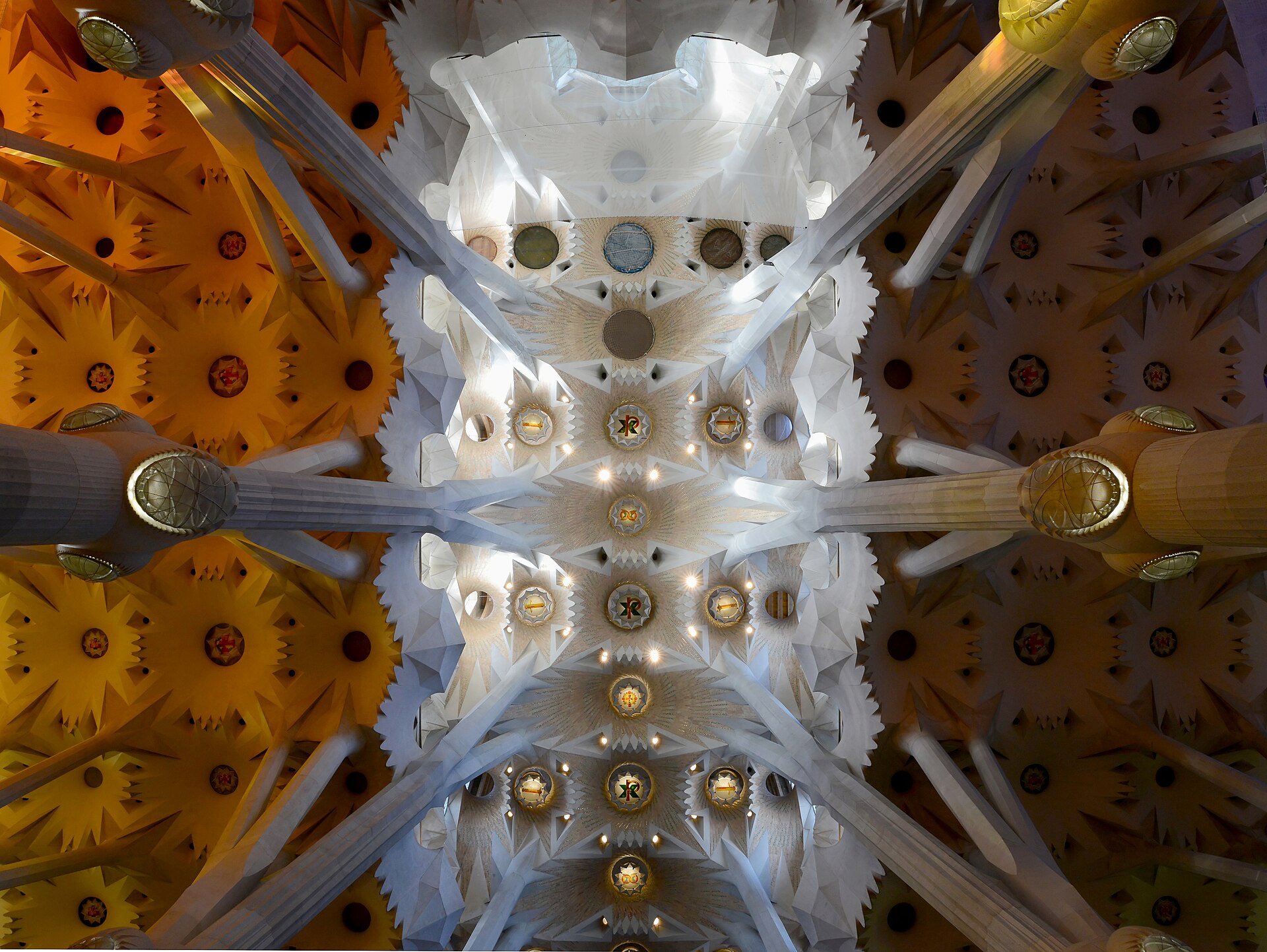
- Barcelona: Gaudí’s Sagrada Família and Park Güell, the Gothic Quarter and the city beaches. Stay in the Eixample for elegance or El Born for atmosphere. The city doubled its tourist tax in 2026. See our Barcelona guide.
- Andalusia: Seville’s cathedral and Alcázar, the Alhambra in Granada, the Mezquita in Córdoba, the white villages and the Costa del Sol.
- Valencia: the futuristic City of Arts and Sciences, the old town, the Art Nouveau markets and the home of paella. See our Valencia guide.
- The north: pintxos in San Sebastián, the Guggenheim in Bilbao, the peaks of the Picos de Europa and the pilgrim city of Santiago de Compostela in green Galicia.
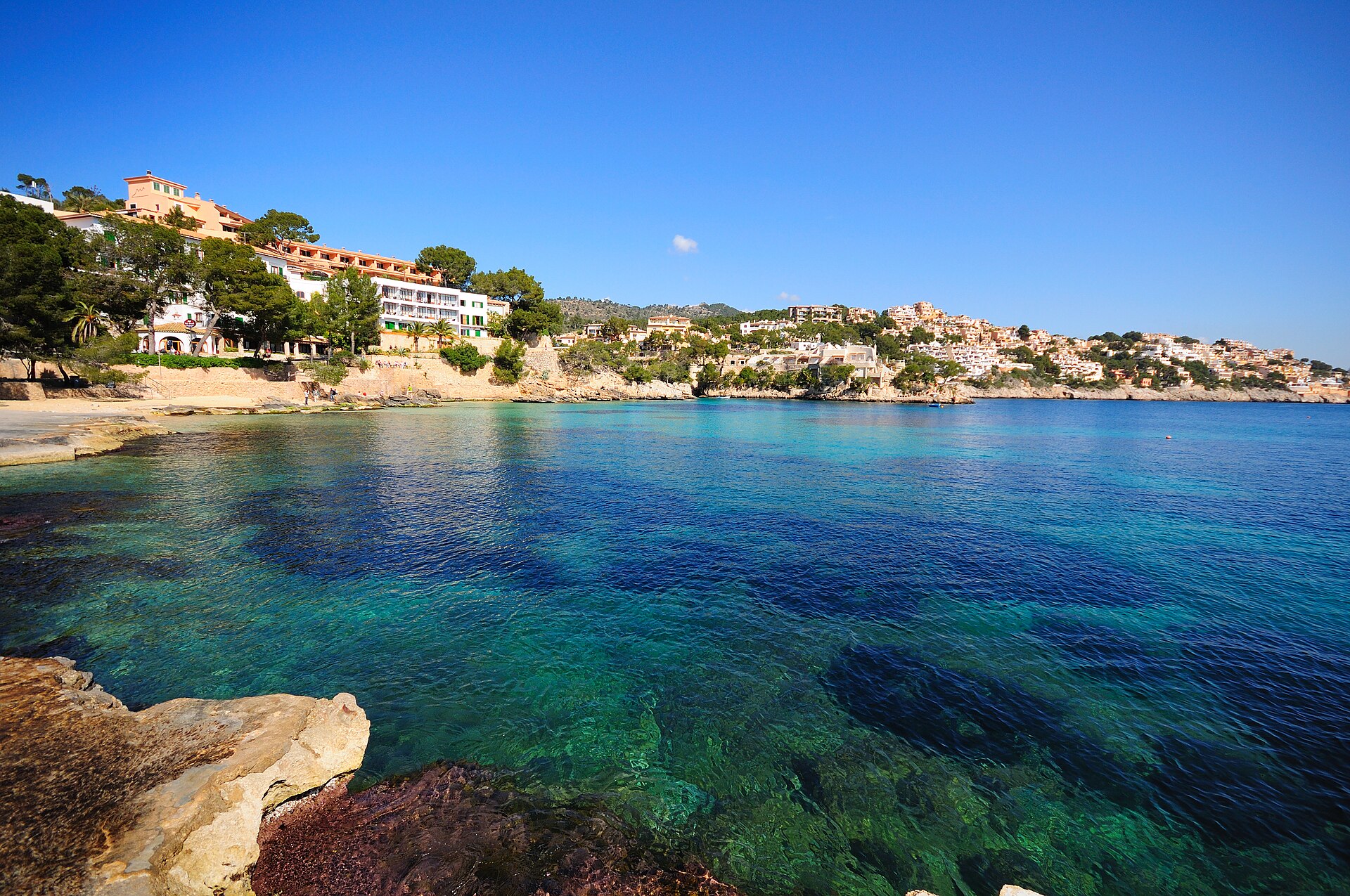
- The islands: the Balearics (Mallorca, Menorca, Ibiza) for summer beaches, and the Canary Islands for sunshine all year.
Stays
Compare places to stay in Spain
Opening soon
Things to do in Spain


The Alhambra, Granada
A palace and fortress of the Nasrid sultans, with tiled courtyards and gardens. Tickets are limited and sell out weeks ahead, especially for the Nasrid Palaces: book as soon as you know your dates.

Gaudí’s Barcelona
The Sagrada Família, Casa Batlló, La Pedrera and Park Güell all use timed tickets bought online.
Madrid’s art museums
The Prado, the Reina Sofía (Picasso’s Guernica) and the Thyssen-Bornemisza are all within walking distance of each other.
Tapas and late dinners
Lunch is around 14:00 and dinner rarely before 21:00. Join the locals for tapas in the early evening, and try jamón, tortilla, pintxos in the Basque Country and seafood in Galicia.
Flamenco
Seville and Granada are the places to see authentic flamenco in a small venue.
Tours and activities
Compare tours and activities in Spain
Opening soon
Getting there and getting around
Arriving
- Madrid-Barajas: metro line 8 and Cercanías trains run to the city, about 30 minutes, or take the airport express bus.
- Barcelona-El Prat: the Aerobús, the R2 Nord train or metro line 9 to the centre.
Flights
Compare flights to Spain
Opening soon
Around the country
- High-speed trains link Madrid with Barcelona (about two and a half hours), Seville, Málaga, Valencia and the north. Three companies now compete on the main routes, so fares can be low if you book early.
- City transport: metros in Madrid, Barcelona, Valencia, Seville, Málaga and Bilbao, and good buses everywhere.
Car hire
Ideal for the white villages of Andalusia, the north coast and the islands. Avoid driving in city centres: many have low-emission zones and parking is limited.
Car hire
Compare car hire in Spain
Opening soon
Staying connected
Visitors with an EU phone plan can roam at home prices. Others, including many UK plans, may pay extra, so an eSIM with a data allowance is a simple alternative.
eSIMs
Compare eSIMs for Spain
Opening soon
Before you go
- Entry rules: EU and EEA citizens only need a valid ID card or passport. Many other nationalities, including British, American, Canadian and Australian citizens, can visit the Schengen area visa-free for up to 90 days in any 180-day period. At the border, the EU’s Entry/Exit System registers non-EU visitors with fingerprints and a photo. ETIAS, an online travel authorisation, is expected to start in 2027 and is not needed yet. Always check the latest official advice, for example GOV.UK travel advice for Spain, or your own government’s.
- Check-in details: hotels and holiday rentals are required to record more of your personal details than before, so have your passport or ID card ready at check-in.
- Tourist tax: Catalonia (including Barcelona) and the Balearic Islands add a nightly tax to hotel bills.
- Sun: protect yourself in summer, drink water and avoid the midday heat.
Travel Emporium compares offers from trusted travel providers. When you book, you book and pay directly with the provider shown. Some links earn us a commission, at no extra cost to you. How we work