
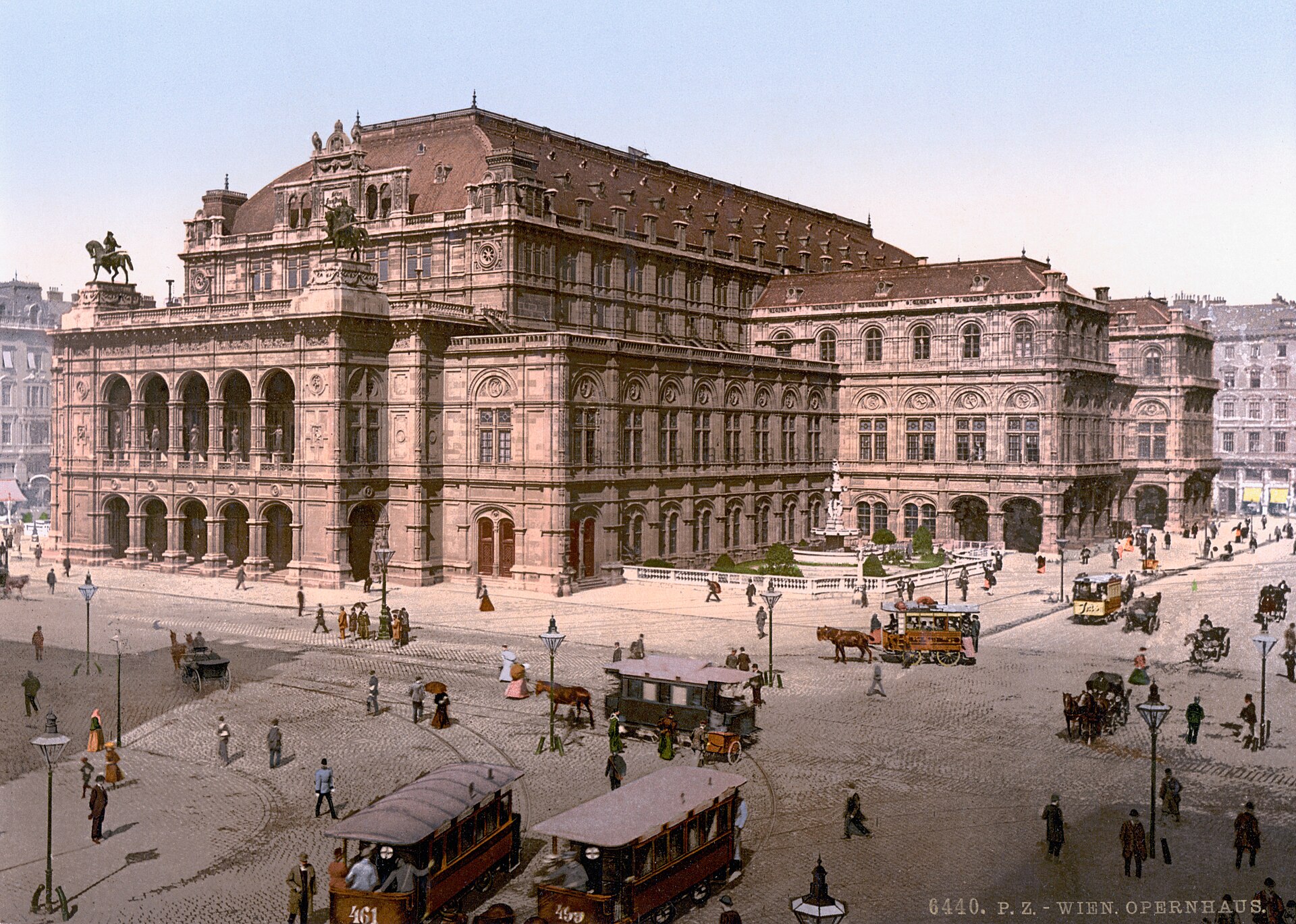

Around 1900 Prague, Vienna and Budapest were three capitals of one empire, linked by the railway and competing with each other in style. Vienna had its Secession, Budapest its tiled roofs and Prague its Art Nouveau Municipal House; a generation later, Brno added the white buildings of functionalism. Today fast, comfortable trains still connect them, and the whole journey can be made in a week without ever boarding a plane.
Facts checked: November 2026.
The journey at a glance
- The route: Prague, Brno, Vienna and Budapest, or the same in reverse.
- Travel time: about 2 hours 30 minutes from Prague to Brno, 1 hour 30 minutes from Brno to Vienna and 2 hours 40 minutes from Vienna to Budapest.
- How long: one week, with two nights in each capital and one in Brno.
- Best time: May, June, September and October; December for the Christmas markets.
Then: one railway, three capitals
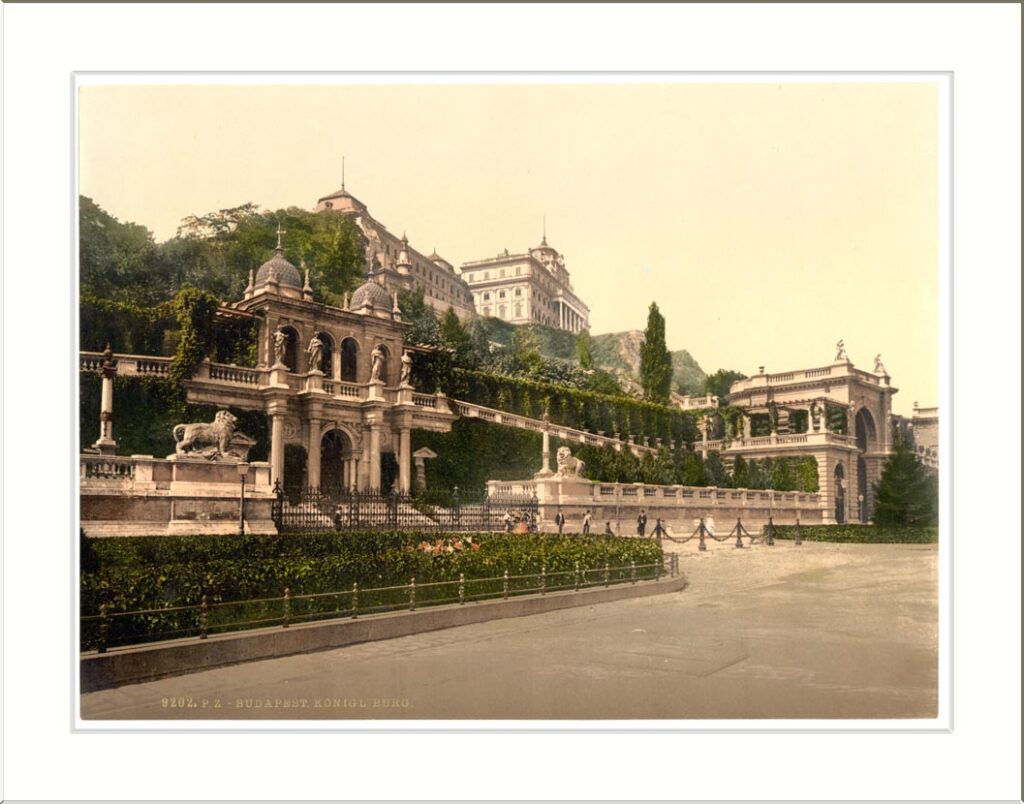

By 1900 the railways of Austria-Hungary tied the empire together, and a businessman, an architect or an artist could travel from Prague to Vienna and on to Budapest in a day. Ideas travelled with them: the Vienna Secession of 1897 inspired young architects in Prague and Budapest, while Ödön Lechner in Budapest invented a Hungarian style of his own with coloured Zsolnay tiles.
After 1918 the empire broke up into new states, and each capital went its own way. In Brno, the second city of Czechoslovakia, the 1920s and 1930s brought a new modern architecture that drew visitors from all over Europe.
The stops

Prague
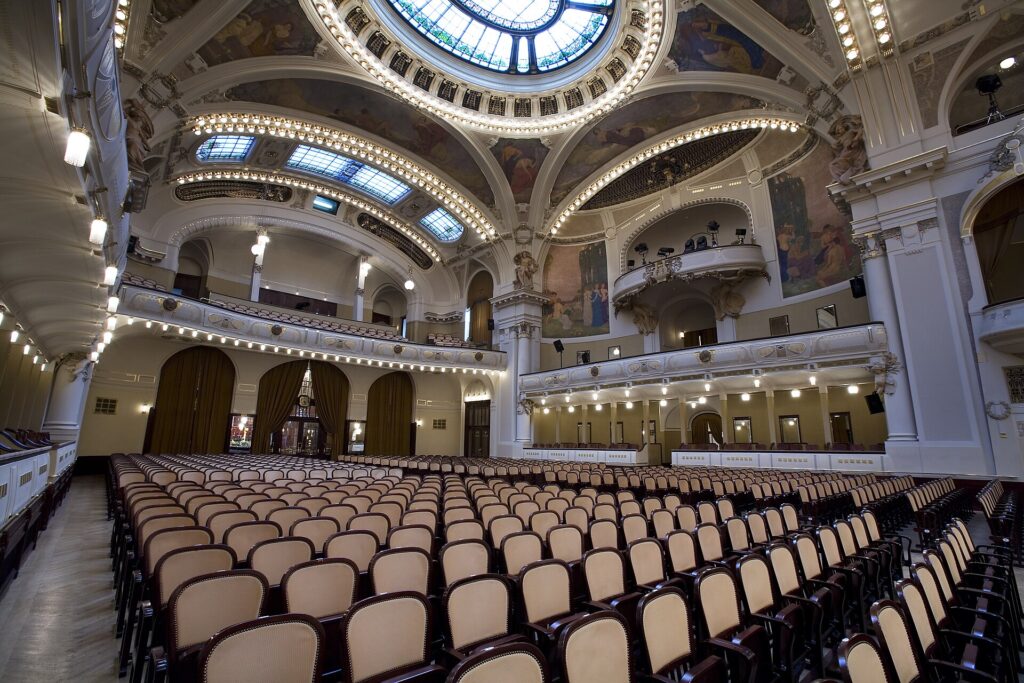
Start at the Municipal House of 1912, with its domed Smetana Hall and café, and look for Alfons Mucha’s work across the city. See our Prague guide.

Brno
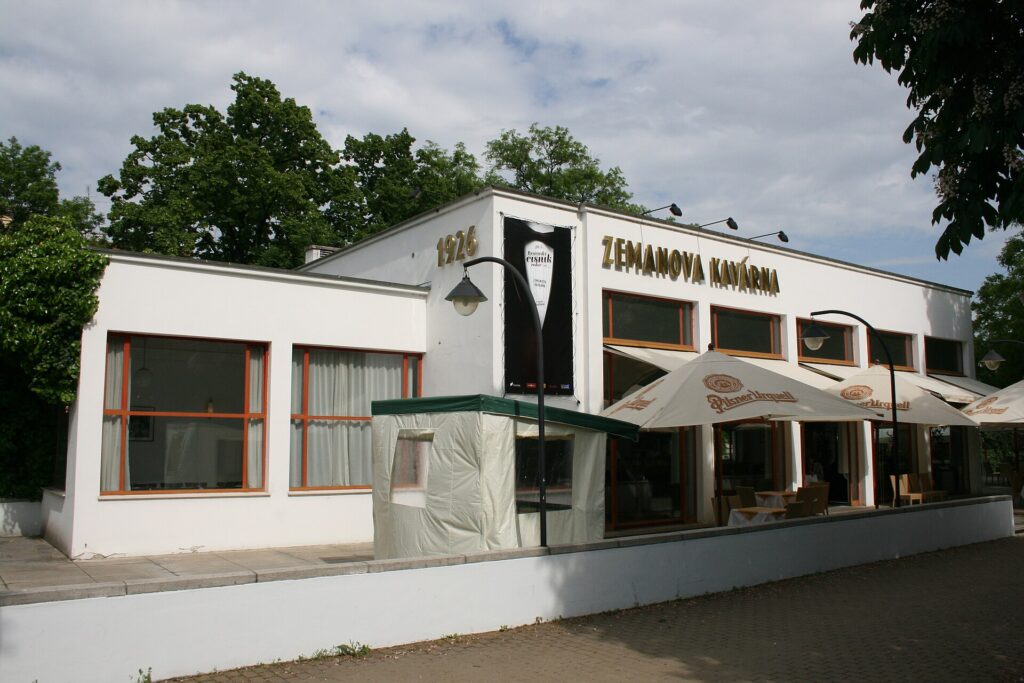
A stop for the 1920s and 1930s: the Villa Tugendhat, the exhibition grounds of 1928 and the rebuilt Café Zeman. Book the villa well ahead. See our Brno guide.
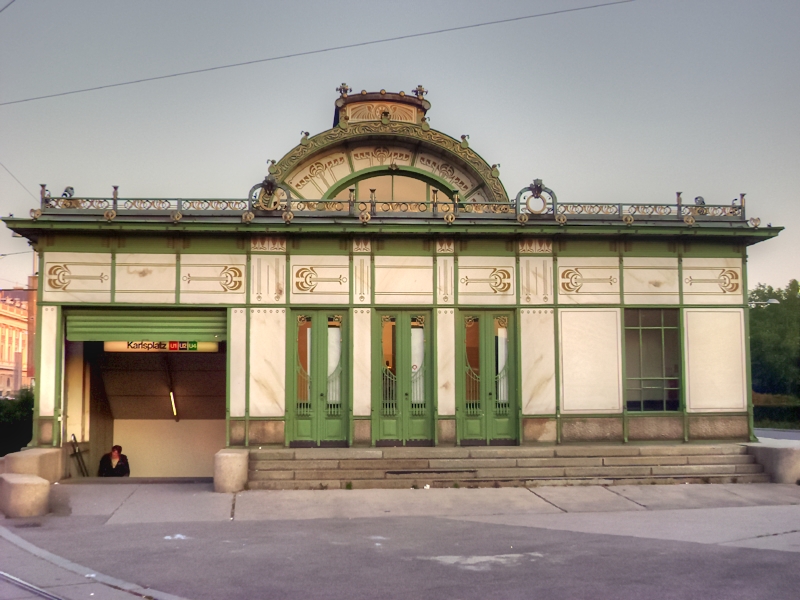

Vienna
Otto Wagner’s stations and Majolikahaus, the golden dome of the Secession and the coffee houses of the Ringstrasse. See our Vienna guide.
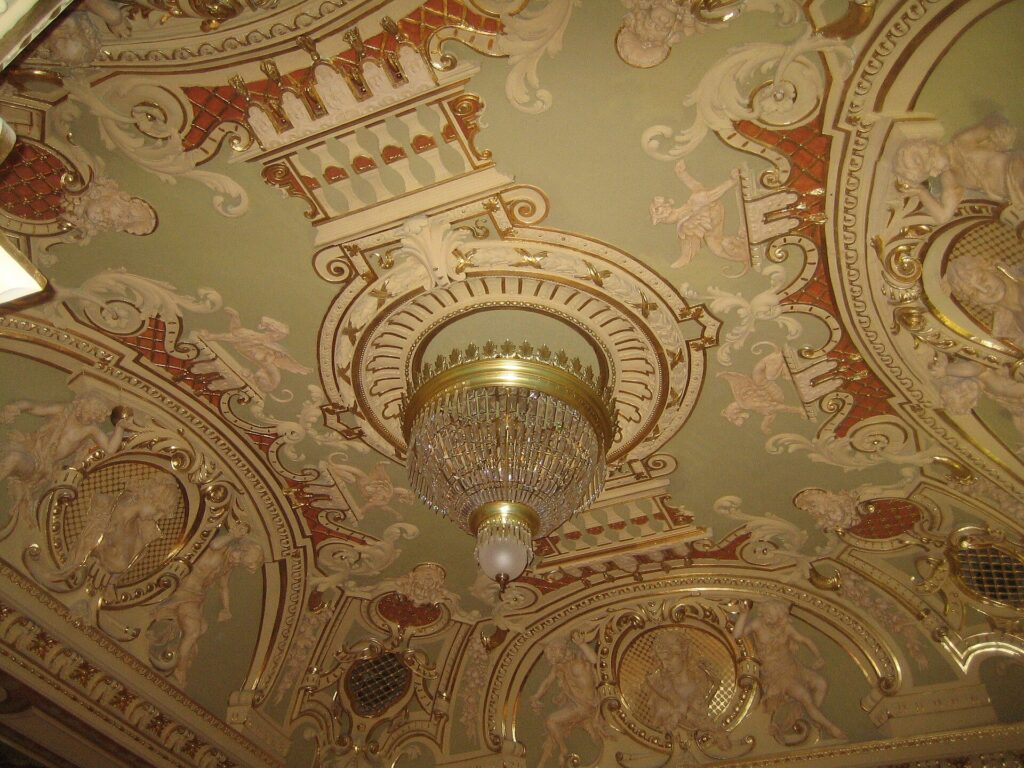

Budapest
Lechner’s tiled roofs, the Gresham Palace, the gilded New York Café and the thermal baths make a grand finale. See our Budapest guide.
Stays
Compare places to stay in Central Europe
Opening soon
Making the journey today
- Trains: direct trains run several times a day on each leg; you can book with the national railways of Czechia, Austria and Hungary, or on a booking platform.
- Rail passes: a rail pass can work if you add more stops, but on this short route single tickets bought early are often cheaper.
- Luggage: there is room for suitcases on board; keep valuables with you.
- Money: Czechia uses the koruna and Hungary the forint; Austria uses the euro.
Tours and activities
Compare tours and activities in Central Europe
Opening soon
Travel Emporium compares offers from trusted travel providers. When you book, you book and pay directly with the provider shown. Some links earn us a commission, at no extra cost to you. How we work