
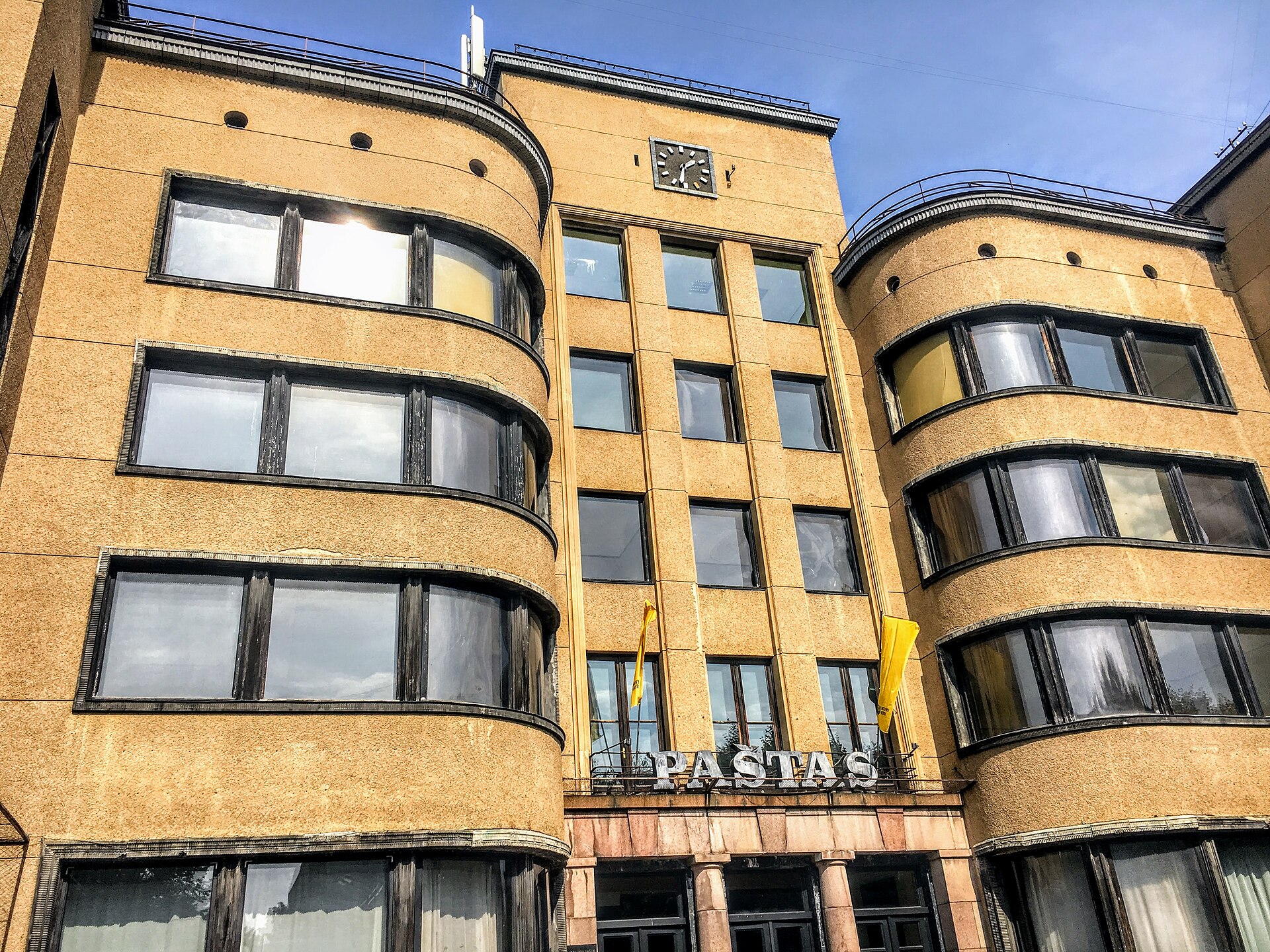

Between the two world wars, while Vilnius was outside its borders, Kaunas served as the temporary capital of Lithuania. In twenty years it grew from a provincial town into a modern city of banks, ministries, cinemas, villas and a post office with an Art Deco hall. That interwar city is now a UNESCO World Heritage Site, and with its old town, river views and lively cafés it is one of the best-kept secrets of the Baltic.
Facts checked: November 2026.
Kaunas at a glance
- Best time to go: May to September; summer brings festivals and terraces along Laisvės alėja.
- How long to stay: two days, or a day trip from Vilnius.
- Airport: Kaunas Airport (KUN), about 15 kilometres from the centre, with budget flights from across Europe; Vilnius Airport (VNO) is about an hour away.
- Money: euro (EUR). Cards are accepted almost everywhere.
- Entry: Lithuania is in the EU and the Schengen area. Many non-EU visitors, including British, American, Canadian and Australian citizens, can visit visa-free for up to 90 days in any 180-day period. See Before you go below.
Then: the temporary capital
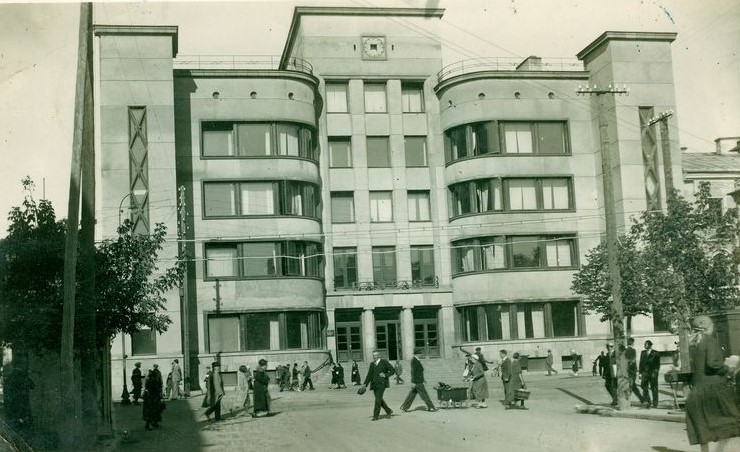

When Lithuania became independent in 1918, its historic capital Vilnius was soon lost to Poland, and in 1920 the government moved to Kaunas. The small town had to become a capital almost overnight. Young Lithuanian architects, many trained abroad, built ministries, schools, banks, a theatre, a central post office and thousands of homes.
They mixed Art Deco and modernism with folk patterns and national symbols, in what is now called the architecture of optimism. In 1940 the country was occupied and the era ended. In 2023 UNESCO listed “Modernist Kaunas: Architecture of Optimism, 1919–1939” as a World Heritage Site.
Where to stay
- Naujamiestis (the New Town): along Laisvės alėja, in the middle of the interwar city, with cafés and shops.
- The old town: cobbled streets, Town Hall Square and the castle at the meeting of two rivers.
- Žaliakalnis: the green hill above the centre, with villas of the 1930s, reached by funicular.
Stays
Compare places to stay in Kaunas
Opening soon
Interwar and heritage Kaunas
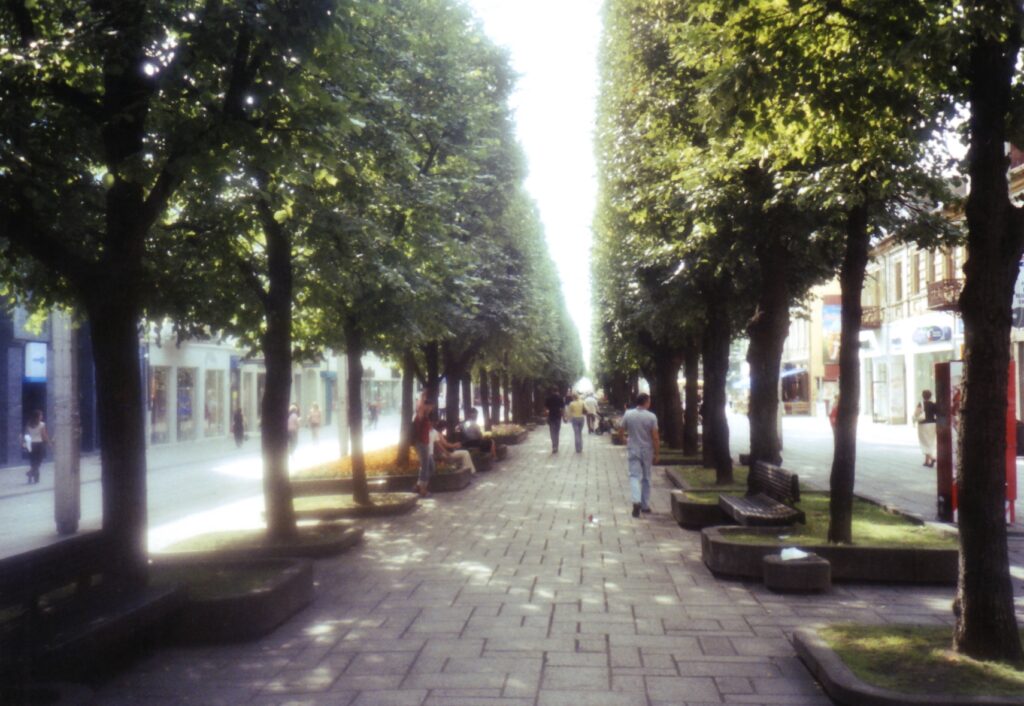

Laisvės alėja
Freedom Avenue, a long pedestrian boulevard lined with lime trees and interwar buildings, ends at the white St Michael the Archangel Church. Walk its whole length and look up at the facades.
The Central Post Office
The post office of 1932, with its strong lines and a great hall decorated with Lithuanian folk motifs, is one of the finest buildings of the interwar city.
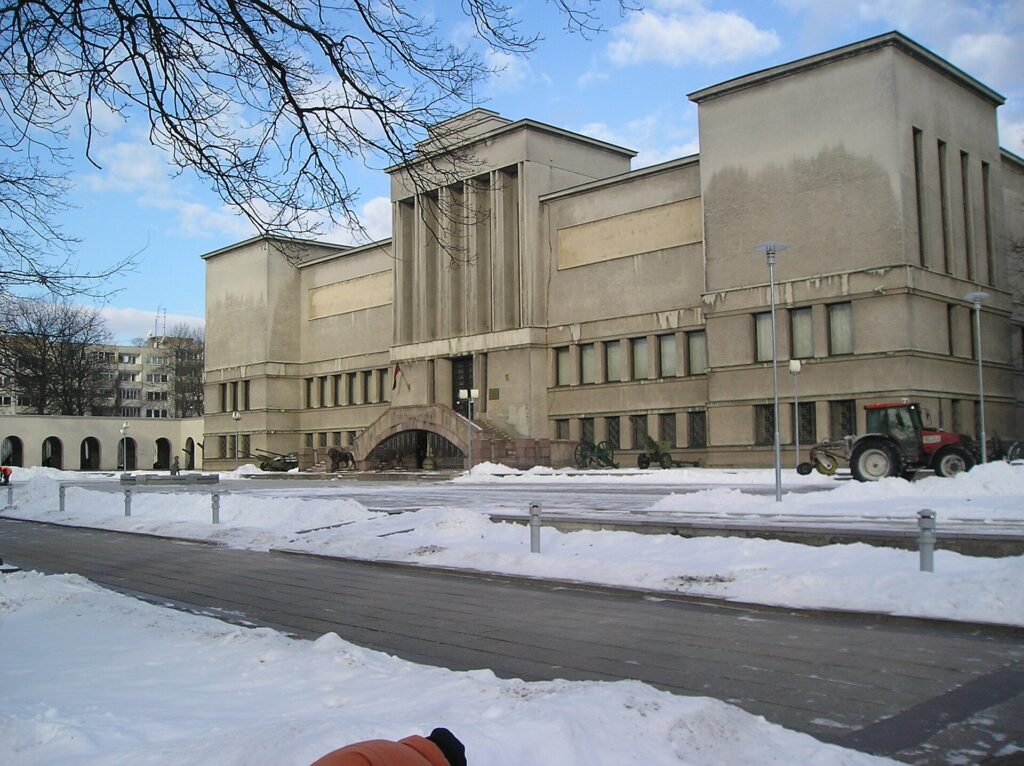

The Vytautas the Great War Museum
A monumental building of the 1930s that also houses the M. K. Čiurlionis National Museum of Art, with the dreamlike paintings of Lithuania’s best-known artist and composer.

The funiculars
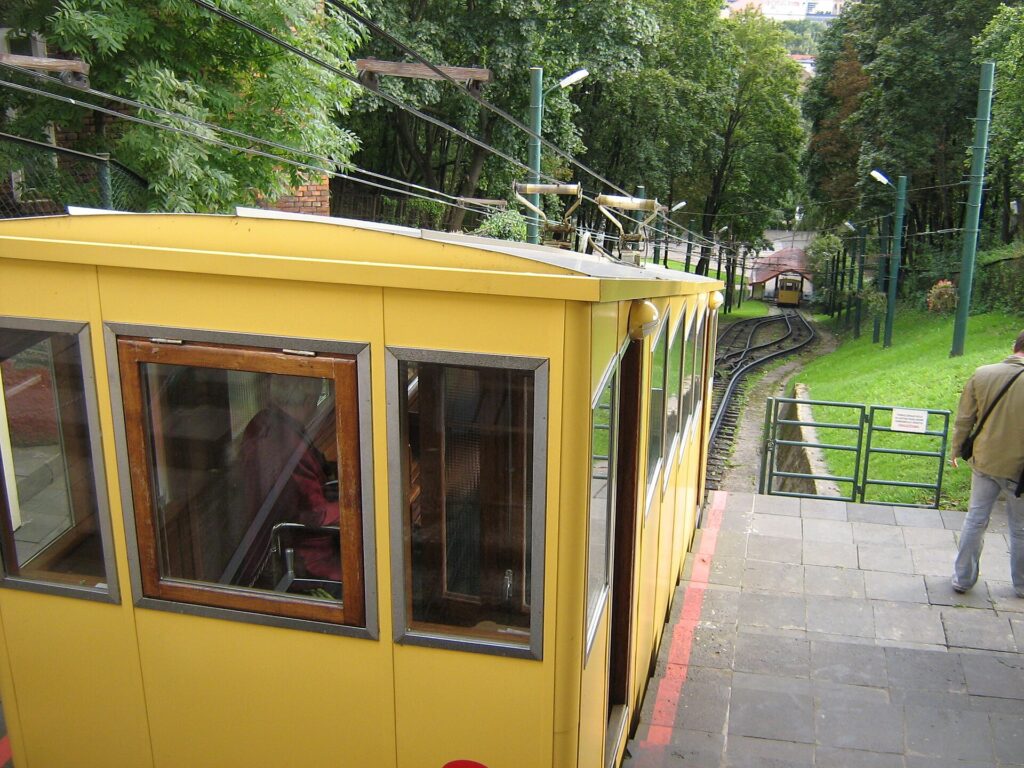
Two funiculars of the 1930s still climb the hills of Kaunas. Ride the Žaliakalnis funicular to Christ’s Resurrection Church, begun in the 1930s and finished only in 2004, and go up to its roof terrace for the view.

The old town
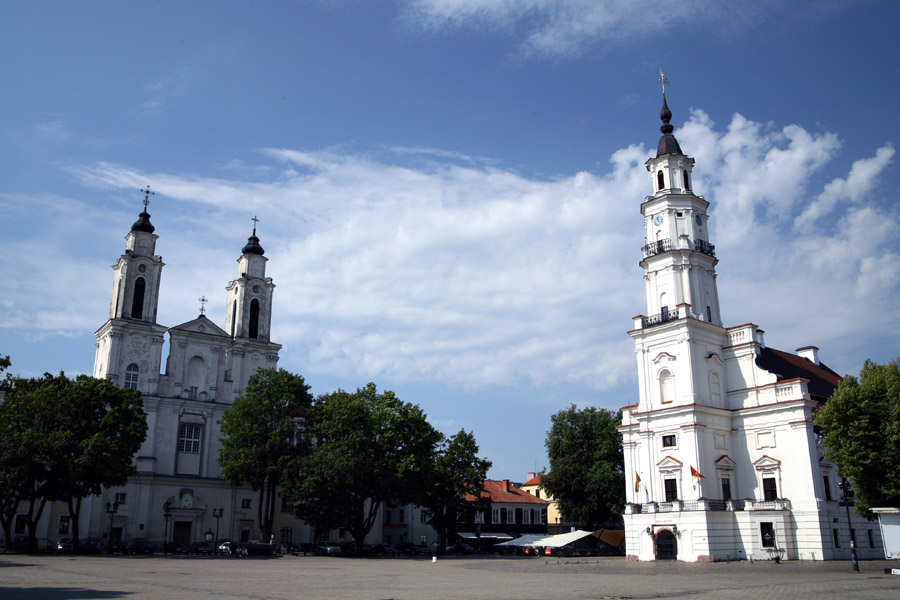
Town Hall Square, with its white town hall known as the White Swan, Gothic churches and the remains of Kaunas Castle where the Neris meets the Nemunas.
Tours and activities
Compare tours and activities in Kaunas
Opening soon
Getting there and getting around
Arriving
- By air: buses run from Kaunas Airport to the centre in about half an hour.
- By train or bus: trains and buses link Kaunas with Vilnius in about an hour and a half or less, and international coaches run to Riga and Warsaw.
Flights
Compare flights to Kaunas
Opening soon
Around the city
- On foot for the old town and Laisvės alėja.
- By trolleybus, bus and funicular for the hills and the suburbs.
- Car hire is useful for the Curonian Spit, the Hill of Crosses and the Lithuanian countryside.
Car hire
Compare car hire in Lithuania
Opening soon
Staying connected
Visitors with an EU phone plan can roam at home prices. Others, including many UK plans, may pay extra, so an eSIM with a data allowance is a simple alternative.
eSIMs
Compare eSIMs for Lithuania
Opening soon
Before you go
- Entry rules: EU and EEA citizens only need a valid ID card or passport. Many other nationalities, including British, American, Canadian and Australian citizens, can visit the Schengen area visa-free for up to 90 days in any 180-day period. At the border, the EU’s Entry/Exit System registers non-EU visitors with fingerprints and a photo. ETIAS, an online travel authorisation, is expected to start in 2027 and is not needed yet. Always check the latest official advice, for example GOV.UK travel advice for Lithuania, or your own government’s.
- Walking tours: the city’s modernism trails and guided walks are a good way to find the interwar buildings and their interiors.
- Opening days: many museums close on Mondays; check before you go.
- Combine it: Riga, Europe’s Art Nouveau capital, is a few hours away by bus, and our Gdynia guide shows Poland’s modernist port of the same years.
Travel Emporium compares offers from trusted travel providers. When you book, you book and pay directly with the provider shown. Some links earn us a commission, at no extra cost to you. How we work