
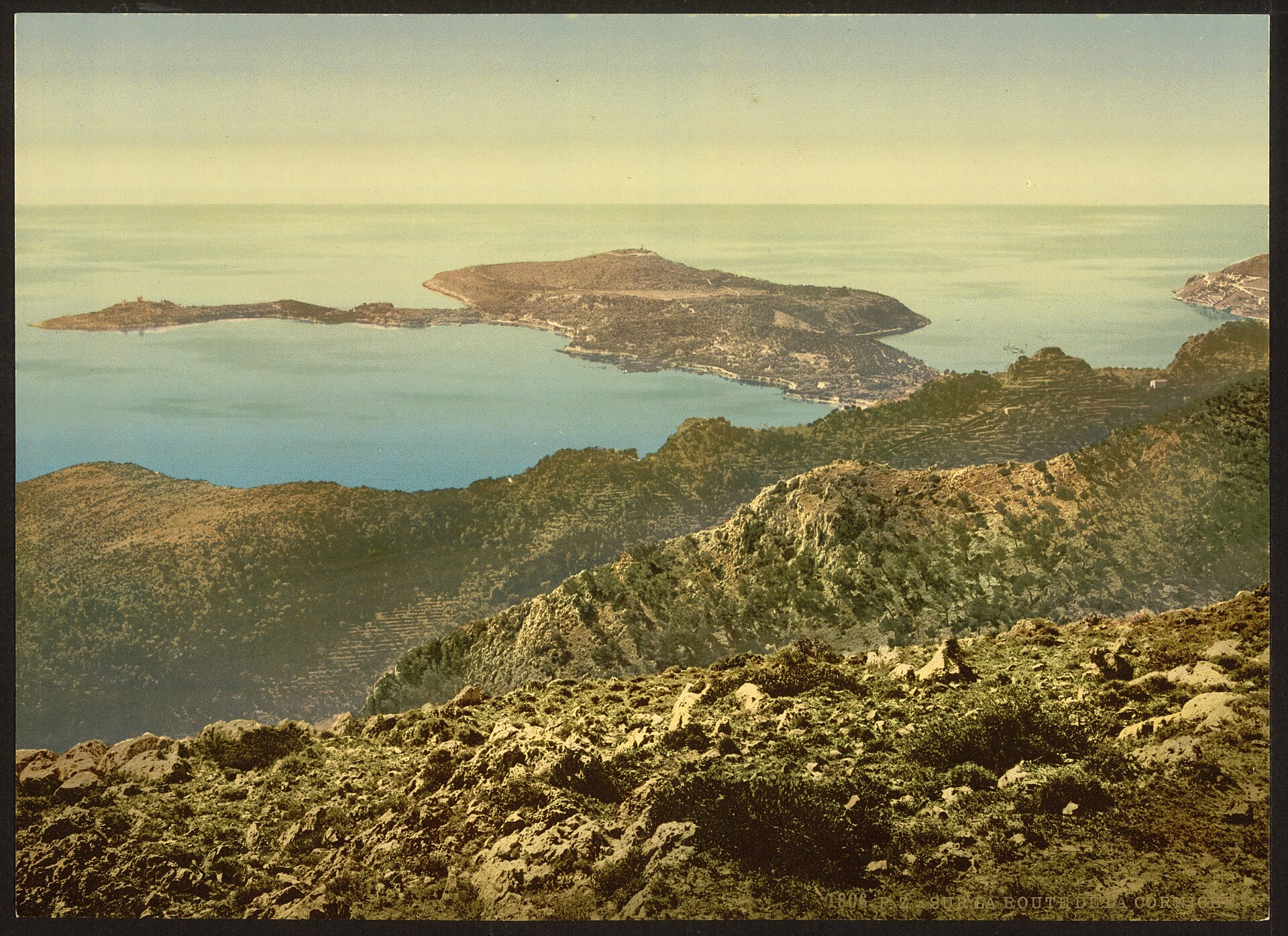

For the travellers of the 1920s there was only one way to reach the Côte d’Azur: an evening departure from Calais or Paris, dinner in the restaurant car, a night in a blue and gold sleeping car, and a morning view of the Mediterranean from the window. Le Train Bleu became the most famous train in France. It no longer runs, but its restaurant in Paris still serves, and the journey to the Riviera can still be made by train, by day or, in summer, by night.
Facts checked: November 2026.
Le Train Bleu at a glance
- The route: Calais and Paris to the Riviera: Saint-Raphaël, Cannes, Nice, Monte Carlo and Menton.
- When: from 1886 as the Calais–Méditerranée Express; known as Le Train Bleu from the 1920s; the name ended in 2003.
- Today: high-speed trains from Paris to Nice in about six hours, and a summer night train.
- Where to start: with a meal at Le Train Bleu restaurant in the Gare de Lyon, Paris.
Then: the millionaires’ express
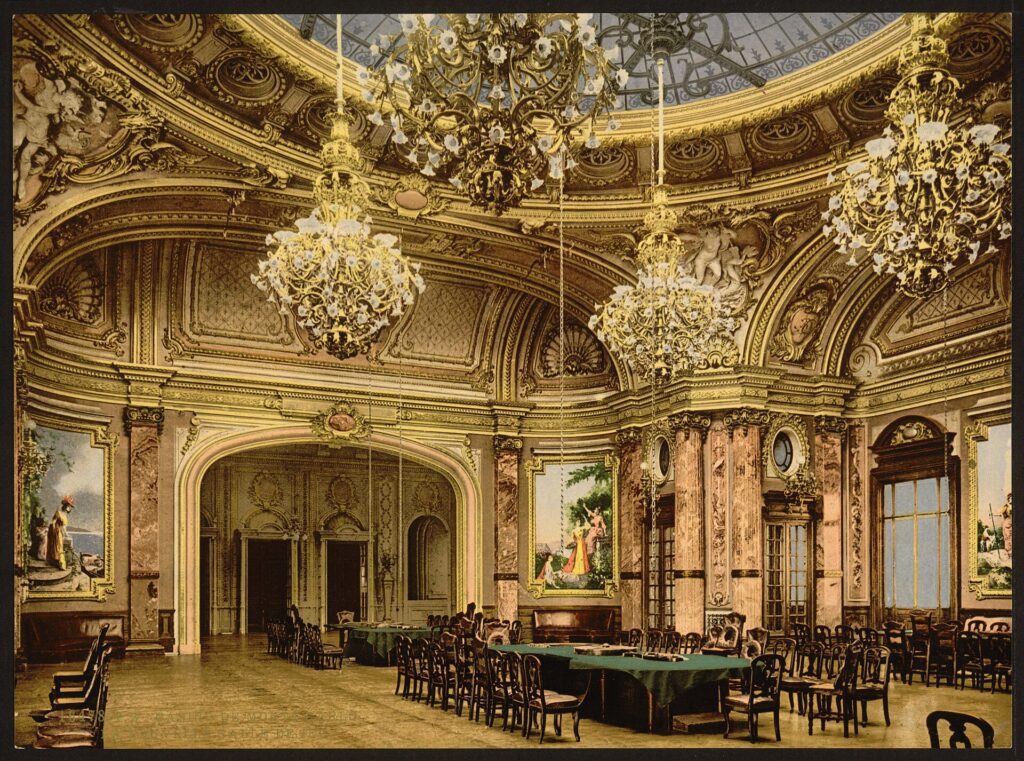

In 1886 the Compagnie Internationale des Wagons-Lits began a luxury train for the winter season, carrying British and other visitors from the Channel ferries at Calais to the mild winters of the Riviera. In the 1920s it received new steel sleeping cars painted dark blue with gold lining, and everyone called it Le Train Bleu.
Its passengers came for the casinos of Monte Carlo, the villas of Cap d’Antibes and the hotels of Cannes and Nice. The train inspired a ballet by the Ballets Russes in 1924, with costumes by Coco Chanel, and Agatha Christie’s novel The Mystery of the Blue Train in 1928. Faster trains and cheap flights slowly ended its reign.
The stops on the Riviera
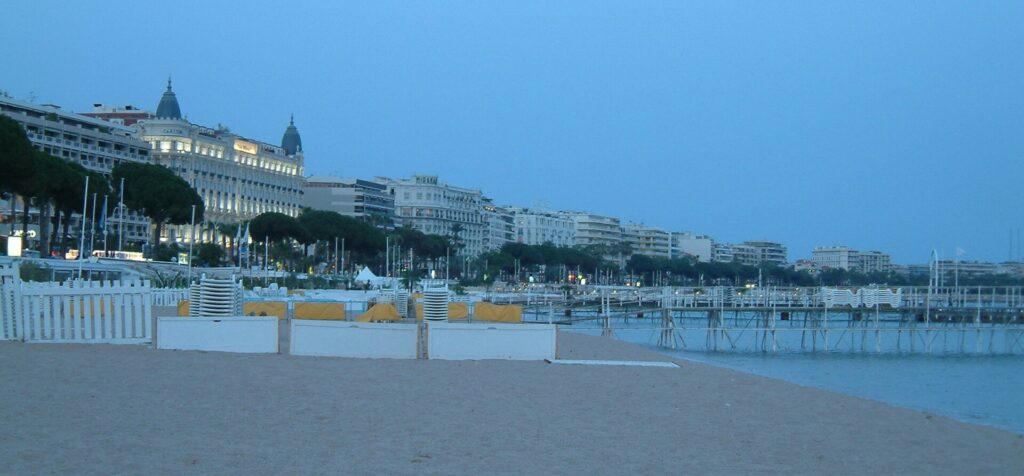

Cannes
The Croisette, lined with palms and grand hotels of the Belle Époque and the 1920s, curves along the bay. Out of festival time, it is a relaxed resort with beaches and the old quarter of Le Suquet.
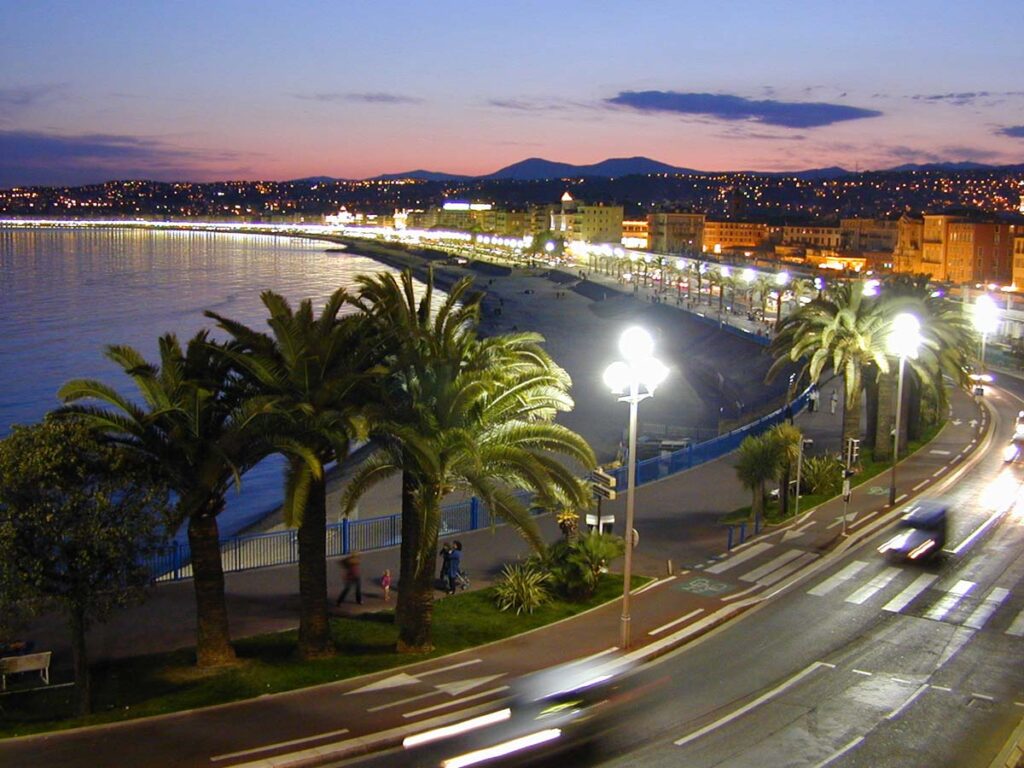

Nice
The Promenade des Anglais follows the Baie des Anges for seven kilometres. Walk it at sunset, then explore the markets and lanes of the old town.
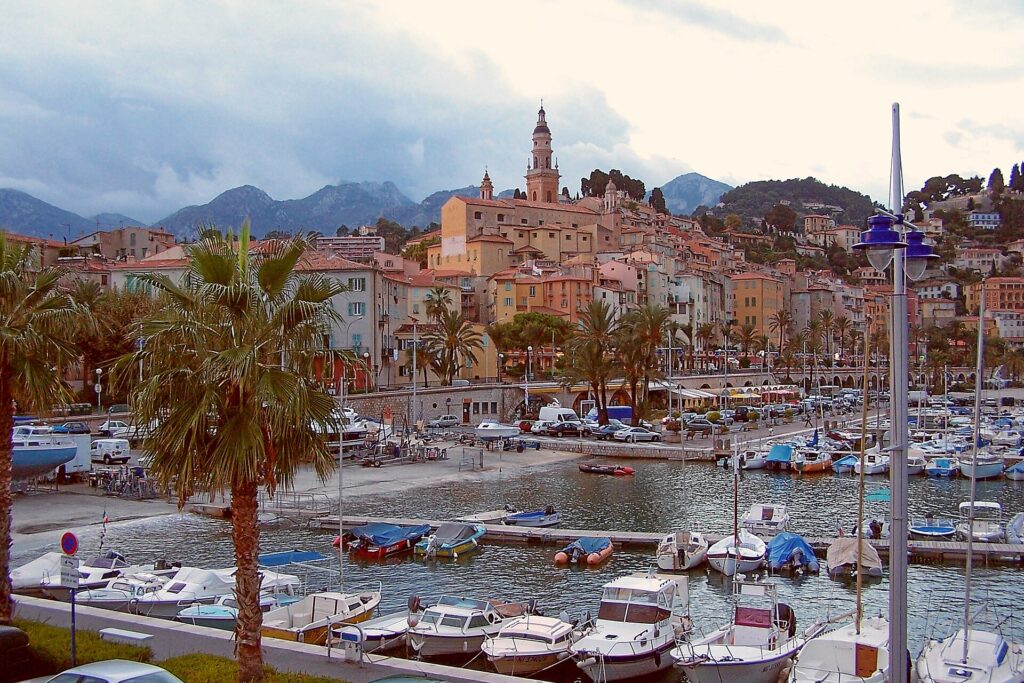

Menton
The last stop before Italy, with a pastel old town, lemon gardens and the mildest climate on the coast. The lemon festival is held in February.
Stays
Compare places to stay on the Riviera
Opening soon
Making the journey today
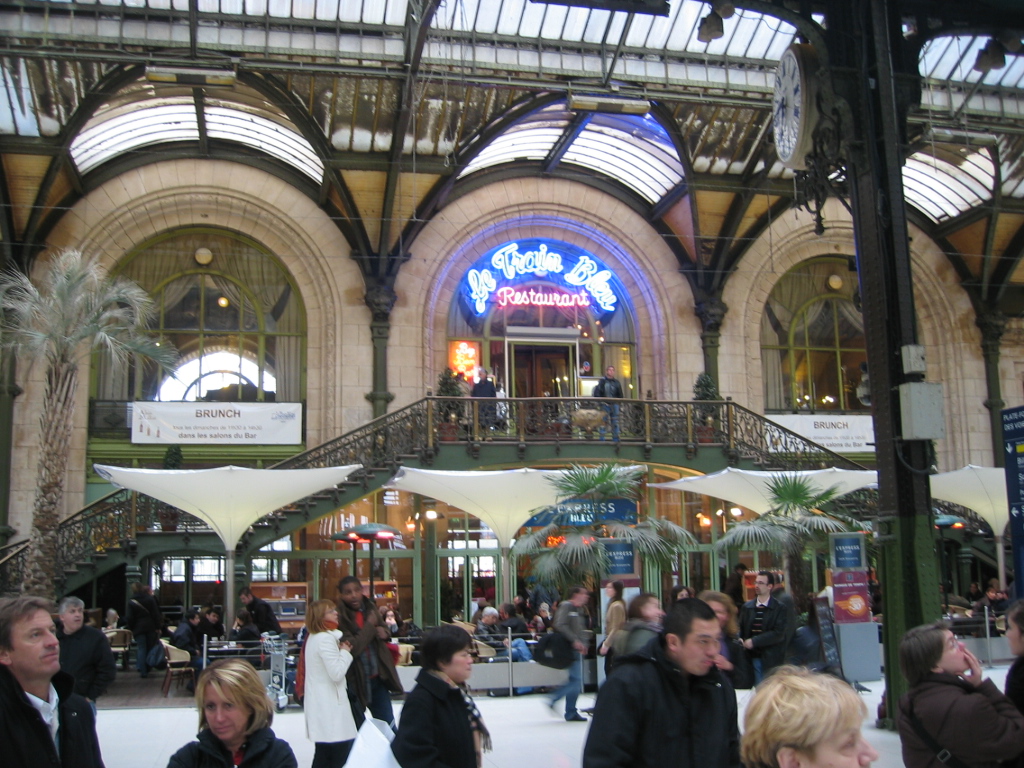

Le Train Bleu restaurant
Start at the Gare de Lyon in Paris, where the station restaurant of 1901 took the train’s name. Its gilded rooms are painted with views of the cities on the line to the Mediterranean.
By day or by night
- By high-speed train: TGV trains from Paris Gare de Lyon reach Nice in about six hours; book early for the best fares.
- By night train: an Intercités de Nuit sleeper has run from Paris to Nice in summer, calling at Saint-Raphaël and Cannes; check the current dates with SNCF.
- Along the coast: regional trains link Cannes, Antibes, Nice, Monaco and Menton every few minutes at busy times, with the sea beside the line.
- Combine it: spend a few days in Paris before you leave, or add the Belle Époque spa of Vichy on the way south; at the end of the line, see our Nice guide.
Tours and activities
Compare tours and activities on the Riviera
Opening soon
Travel Emporium compares offers from trusted travel providers. When you book, you book and pay directly with the provider shown. Some links earn us a commission, at no extra cost to you. How we work