
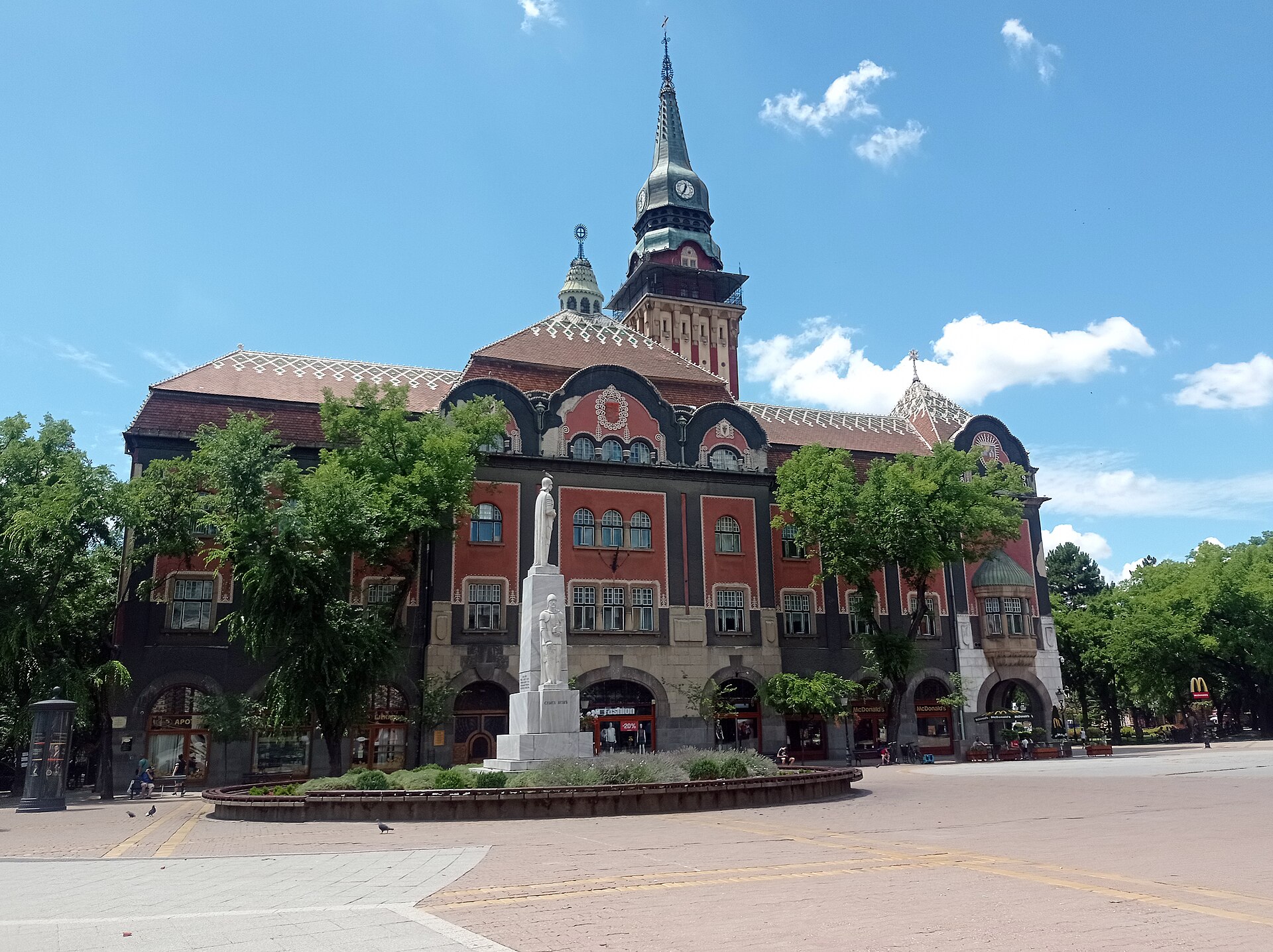

Around 1900 the towns of the Great Hungarian Plain were growing rich on wheat, cattle and trade, and they wanted to look as modern as Budapest. They hired the capital’s best architects, who covered town halls, synagogues and palaces in coloured tiles, folk motifs and curling iron. The borders have moved since then, and the journey now crosses into Serbia and Romania, but local and international trains still link the towns, and in a week you can see the finest Hungarian Art Nouveau outside the capital.
Facts checked: November 2026.
The journey at a glance
- The route: Budapest, Szeged and Subotica, with Oradea as a second trip from Budapest, or the other way round.
- Travel time: about 2 hours 30 minutes from Budapest to Szeged and about an hour from Szeged to Subotica; direct trains link Budapest and Oradea.
- How long: one week, with two nights in Budapest, two in Szeged or Subotica and two in Oradea.
- Best time: May, June and September; Szeged’s open-air festival fills Dom Square in summer.
Then: the architects of the plain
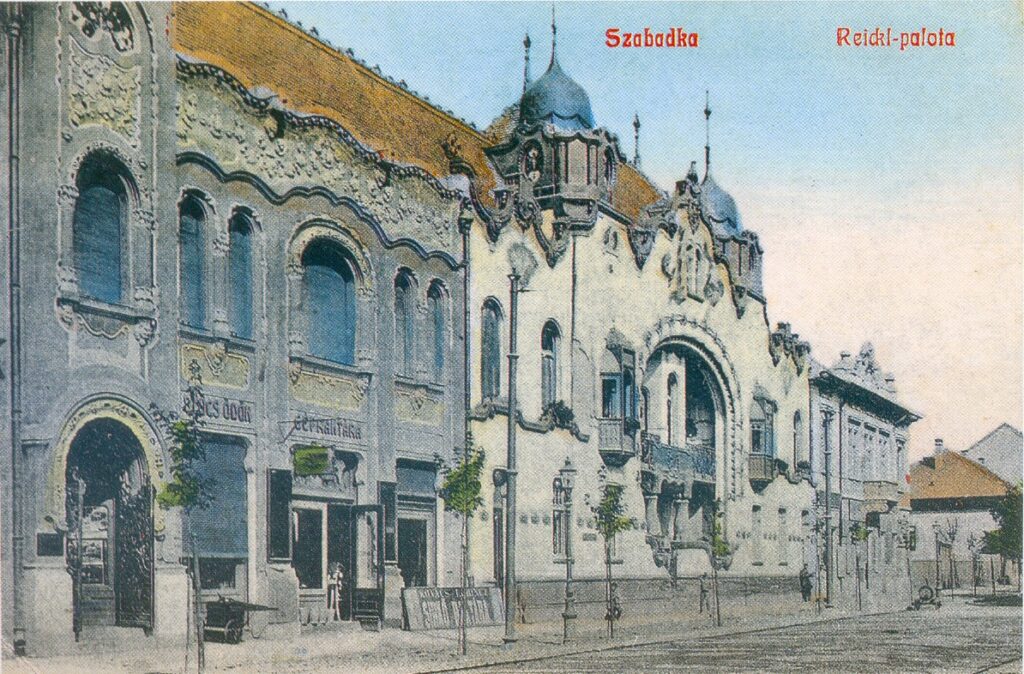

By 1900 the Kingdom of Hungary was building fast, and its architects were searching for a style of their own. Ödön Lechner in Budapest mixed Art Nouveau with Hungarian folk art and glazed Zsolnay tiles, and a younger generation took his ideas to the provinces.
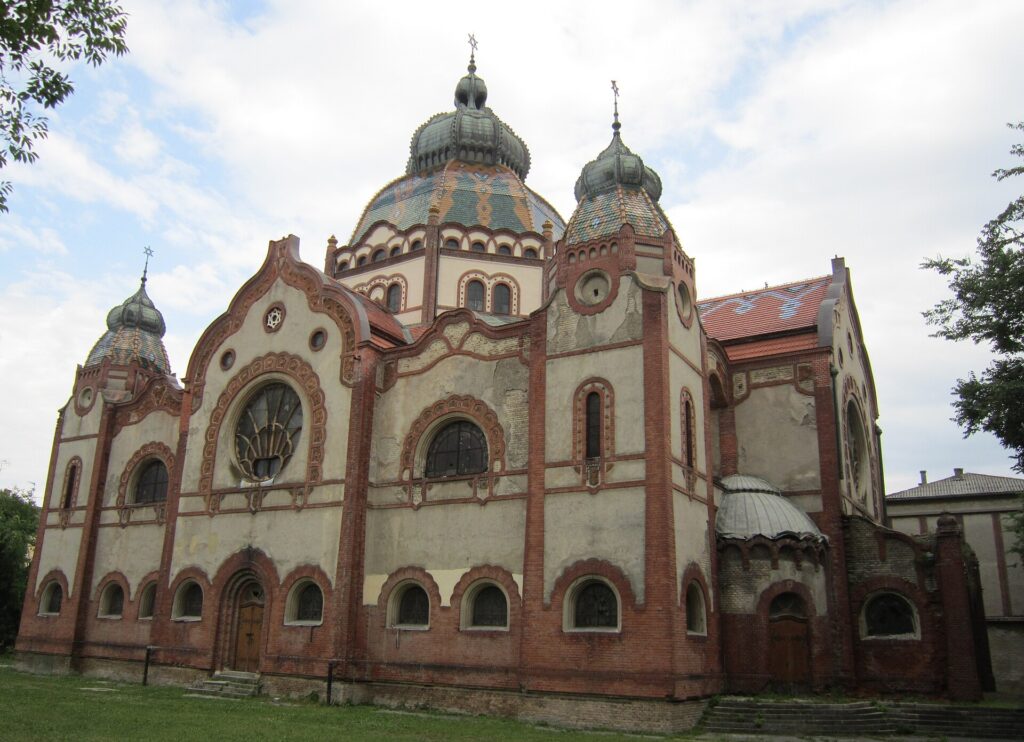
Two of them, Marcell Komor and Dezső Jakab, built the synagogue and the City Hall of Szabadka, now Subotica, and the Black Eagle Palace in Nagyvárad, now Oradea. In Szeged, rebuilt after the great flood of 1879, Ede Magyar built the Reök Palace. After 1918 these towns found themselves in three different countries, but their buildings still speak the same language.
The stops

Budapest
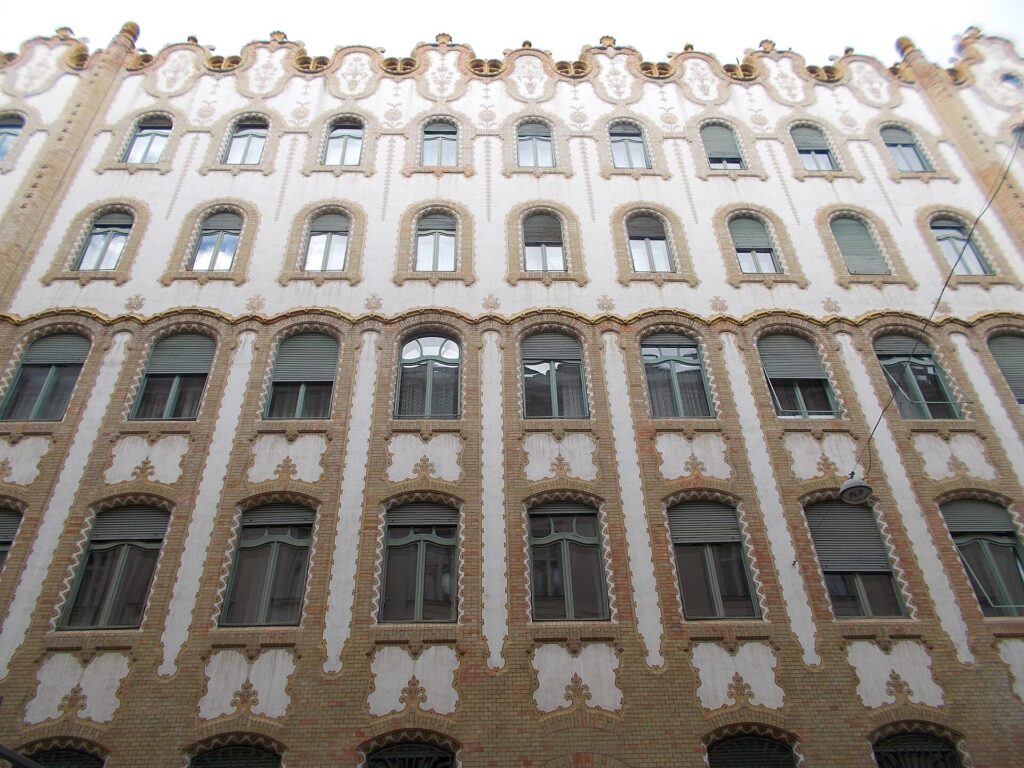
Start with Lechner’s tiled roofs on the former Postal Savings Bank and the Museum of Applied Arts (closed for renovation, but worth seeing from the street), then the Gresham Palace and the thermal baths. See our Budapest guide.

Szeged
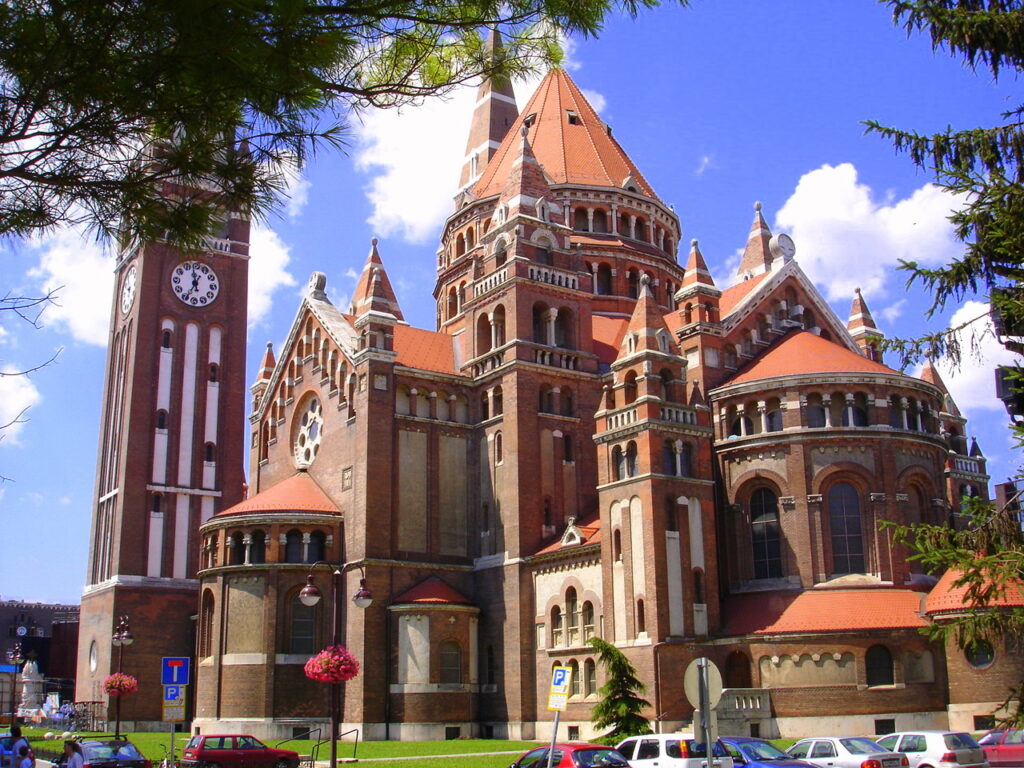
The Reök Palace, the New Synagogue and the Votive Church on Dom Square, in a sunny university city on the river Tisza. See our Szeged guide.

Subotica
Across the border in Serbia: Komor and Jakab’s folk-tiled City Hall, their great synagogue and the lakeside resort of Palić. See our Subotica guide.

Oradea
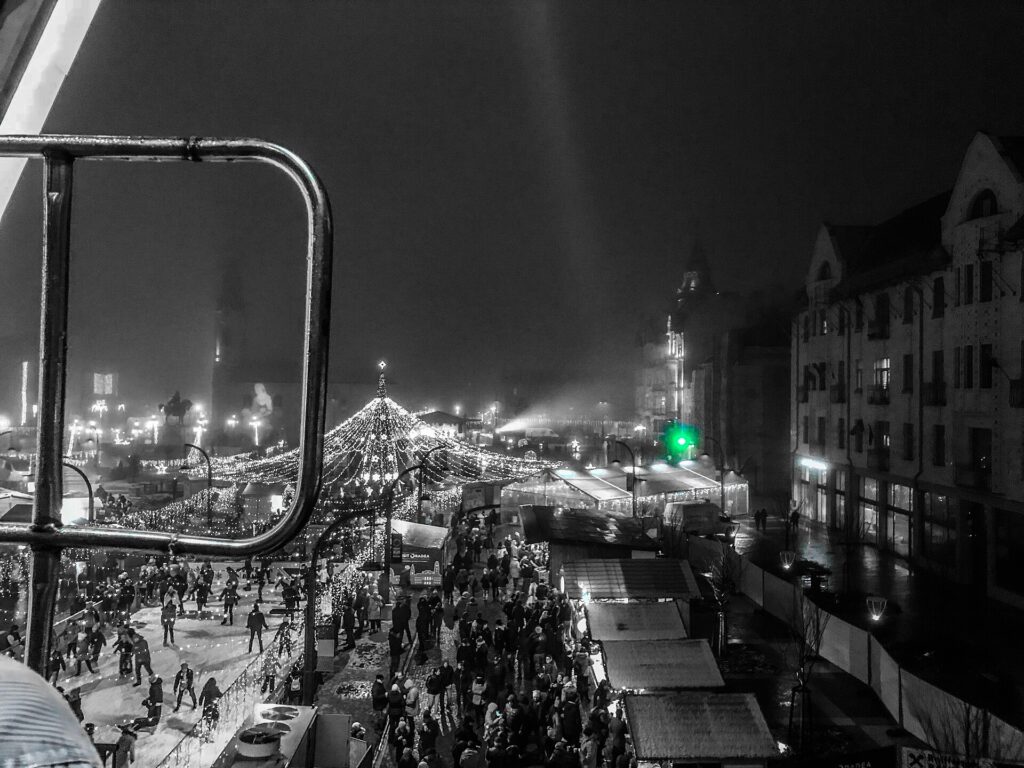
In Romania, the most completely restored Art Nouveau centre of the region, with the Black Eagle Palace and its glass arcade. See our Oradea guide.
Stays
Compare places to stay along the route
Opening soon
Making the journey today
- Budapest to Szeged: intercity trains from Budapest-Nyugati run through the day; no reservation is usually needed.
- Szeged to Subotica: local cross-border trains returned in 2023 after eight years and run several times a day; there are also buses.
- Budapest and Oradea: direct trains link the two cities; check the current timetable, as cross-border services change with the seasons.
- Borders: Hungary and Romania are in the Schengen area, Serbia is not, so carry your passport and expect a passport check between Szeged and Subotica. See Before you go in our Subotica guide.
- Money: Hungary uses the forint, Serbia the dinar and Romania the leu.
Tours and activities
Compare tours and activities along the route
Opening soon
Travel Emporium compares offers from trusted travel providers. When you book, you book and pay directly with the provider shown. Some links earn us a commission, at no extra cost to you. How we work