
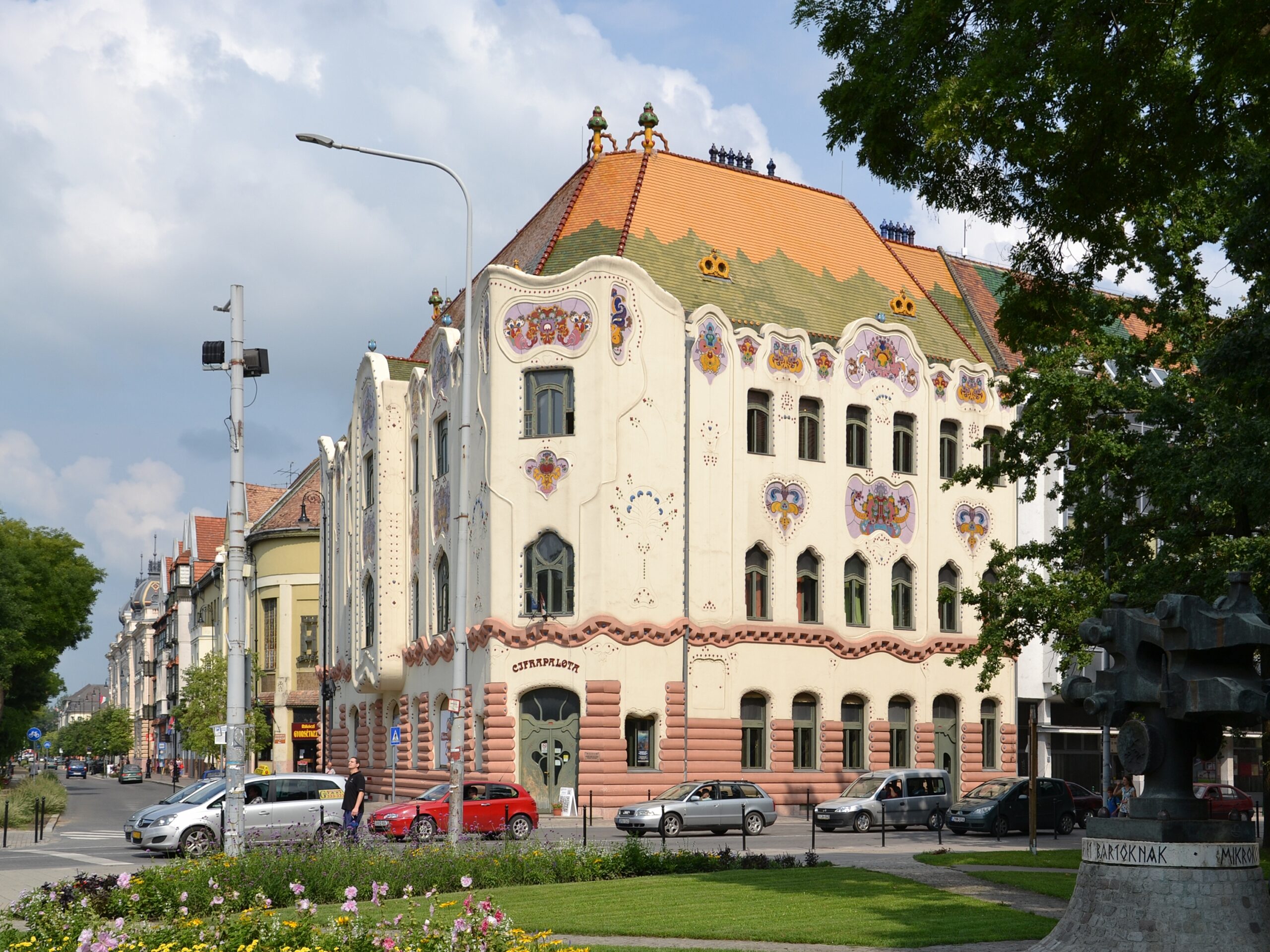

Kecskemét is a market town on the Great Hungarian Plain, an hour from Budapest by train, known for its apricots, its music and its Hungarian Art Nouveau. Around 1900 the town grew rich and built in the national style of the day: a City Hall by Ödön Lechner, and the Cifrapalota, the “Ornamental Palace”, covered in coloured tiles. Its main squares are a compact open-air museum of the style, and a good stop on the way to Szeged.
Facts checked: November 2026.
Kecskemét at a glance
- Best time to go: April to June and September to October; summers on the Plain are hot.
- How long to stay: one day, or a night on the way from Budapest to Szeged.
- Getting there: trains from Budapest take about an hour and a quarter.
- Money: Hungarian forint (HUF). Cards are accepted almost everywhere.
- Entry: Hungary is in the EU and the Schengen area. Many non-EU visitors, including British, American, Canadian and Australian citizens, can visit visa-free for up to 90 days in any 180-day period. See Before you go below.
Then: Kecskemét around 1900
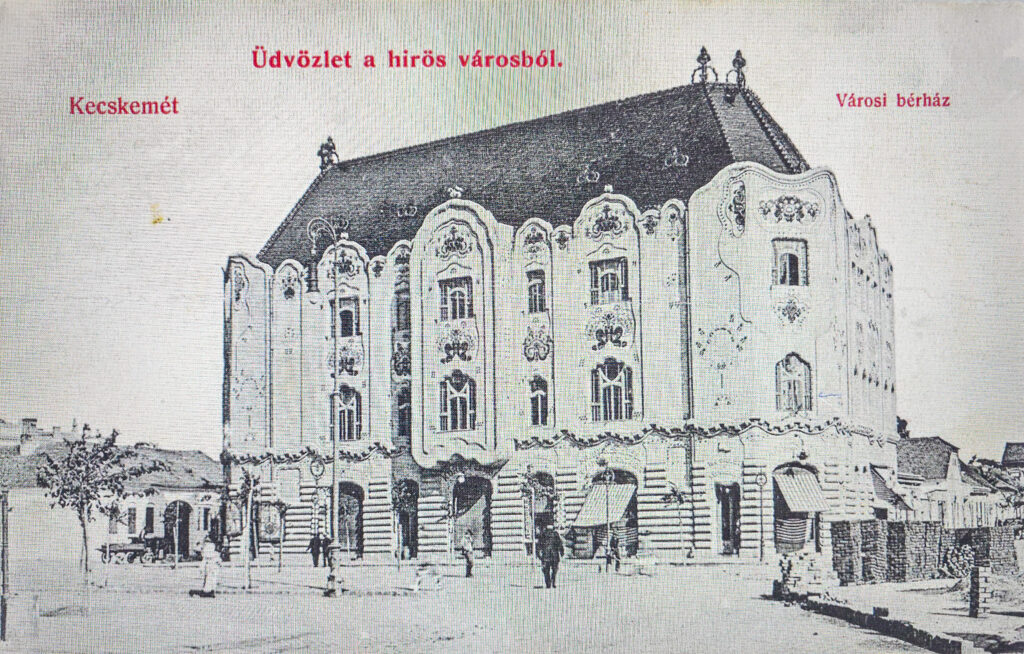

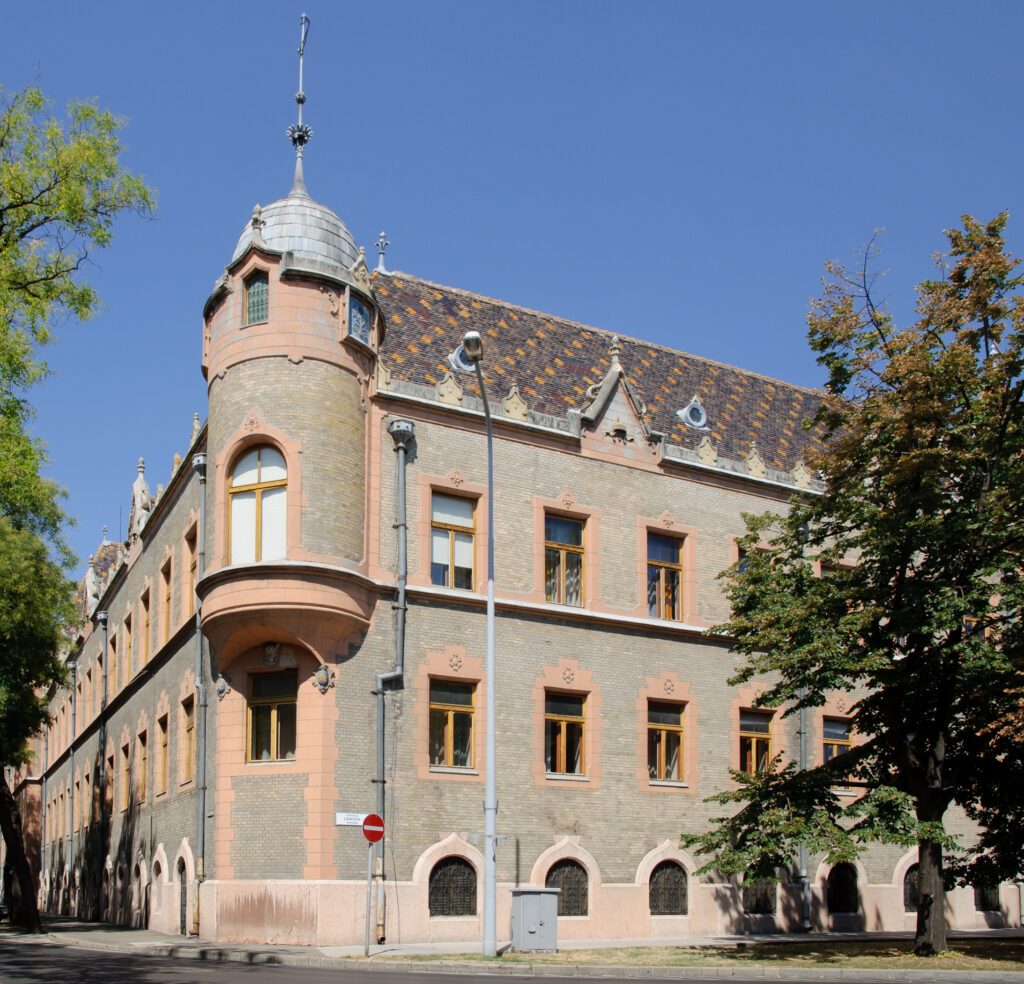
In the 1890s Kecskemét commissioned Ödön Lechner, the father of Hungarian Art Nouveau, and his partner Gyula Pártos to build a new City Hall, with patterned roofs, ceramic ornament and a ceremonial hall painted by Bertalan Székely.
A few years later, in 1902, the Cifrapalota rose on the main square: an apartment and shop building with wavy walls covered in coloured Zsolnay tiles and flowers. Kecskemét was also the birthplace, in 1882, of the composer Zoltán Kodály.
Where to stay
- Around the main squares: close to the City Hall, the Cifrapalota and the cafés.
- Near the station: convenient for a short stop on the Budapest–Szeged line.
Stays
Compare places to stay in Kecskemét
Opening soon
Art Nouveau Kecskemét
The Cifrapalota
See the tiled facade of 1902 and visit the Kecskemét Gallery inside; look up at the ceilings of the upstairs rooms.

The City Hall
Admire Lechner’s City Hall on the main square, and listen for the chimes that play from its tower during the day.
The main squares
Walk through the chain of squares around the City Hall, lined with churches and town houses from the 1700s to the 1910s.
Museums of the Plain
Visit the Hungarian Museum of Naive Artists and the Kodály Institute, and taste the local apricot brandy.
Tours and activities
Compare tours and activities in Kecskemét
Opening soon
Getting there and getting around
Arriving
- By train: from Budapest-Nyugati in about an hour and a quarter, on the line to Szeged.
- By air: fly to Budapest, then take the train.
Flights
Compare flights to Budapest
Opening soon
Around the town
- On foot: the main squares are a short walk from the station.
- By bus to the outer districts.
- Car hire is useful for the Kiskunság National Park and the wine country of the Plain.
Car hire
Compare car hire in Hungary
Opening soon
Staying connected
Visitors with an EU phone plan can roam at home prices. Others, including many UK plans, may pay extra, so an eSIM with a data allowance is a simple alternative.
eSIMs
Compare eSIMs for Hungary
Opening soon
Before you go
- Entry rules: EU and EEA citizens only need a valid ID card or passport. Many other nationalities, including British, American, Canadian and Australian citizens, can visit the Schengen area visa-free for up to 90 days in any 180-day period. At the border, the EU’s Entry/Exit System registers non-EU visitors with fingerprints and a photo. ETIAS, an online travel authorisation, is expected to start in 2027 and is not needed yet. Always check the latest official advice, for example GOV.UK travel advice for Hungary, or your own government’s.
- Combine it: our Budapest and Szeged guides are on the same railway line, and our Hungarian Art Nouveau by train journey continues to Subotica and Oradea.
Travel Emporium compares offers from trusted travel providers. When you book, you book and pay directly with the provider shown. Some links earn us a commission, at no extra cost to you. How we work