
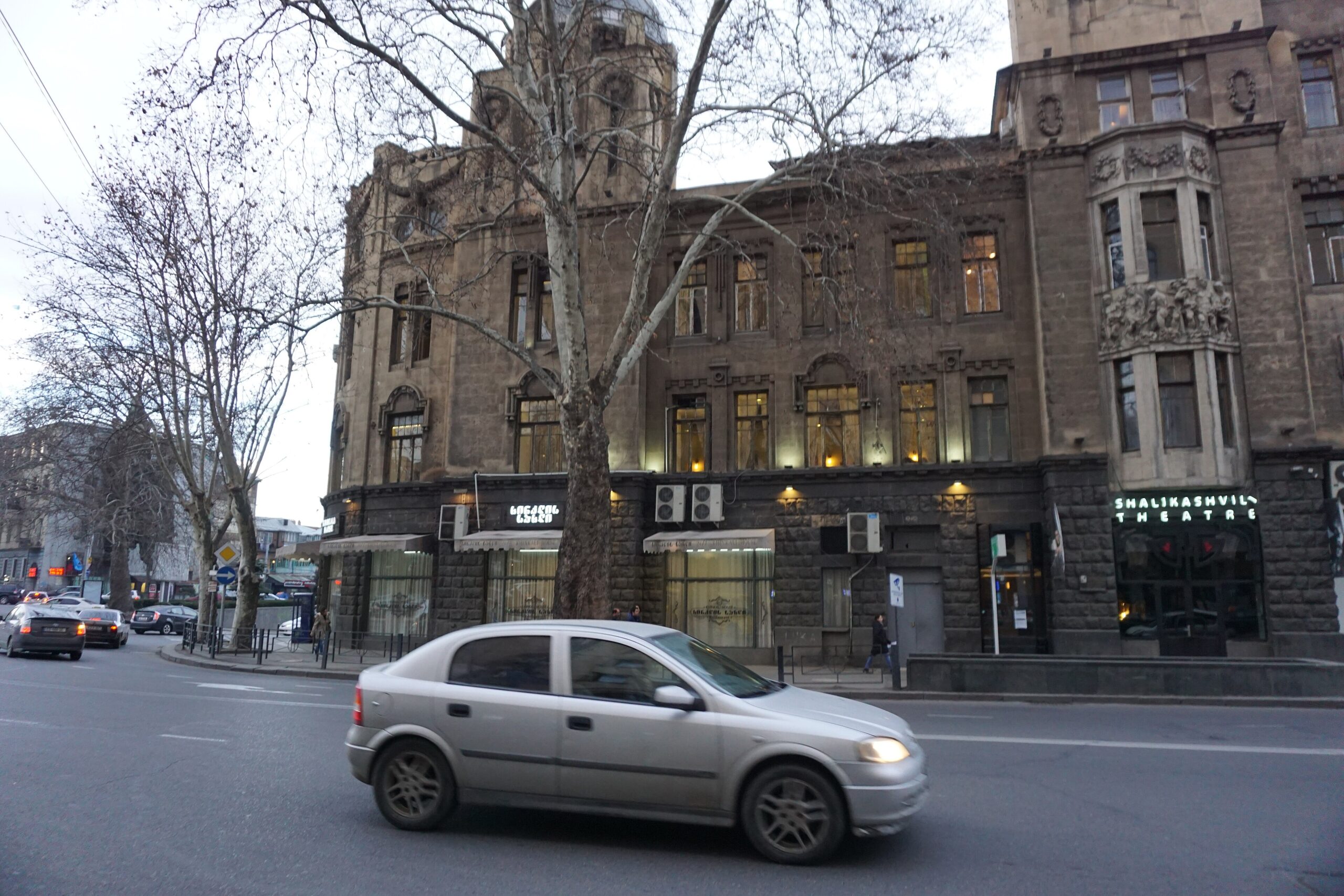

Tbilisi, the capital of Georgia, lies in a valley of the river Mtkvari below the Caucasus. Around 1900, as Tiflis, it was the busy capital of the Russian Caucasus, and its merchants and industrialists built Art Nouveau mansions in the Sololaki district and along the avenue now named after the poet Rustaveli. Painted entrance halls, a funicular of 1905 and the sulphur baths of the old town make it one of the most surprising Art Nouveau cities to visit.
Facts checked: November 2026.
Tbilisi at a glance
- Best time to go: May to June and September to October; July and August are hot.
- How long to stay: three or four days, with a day trip out of the city.
- Getting there: Tbilisi International Airport is about half an hour from the centre by road.
- Money: Georgian lari (GEL). Cards are widely accepted in the city; carry some cash for small shops and markets.
- Entry: British visitors can stay in Georgia without a visa for up to one year, and many other nationalities can also visit visa-free. Health and accident insurance for the whole stay is compulsory. See Before you go below.
Then: Tiflis around 1900
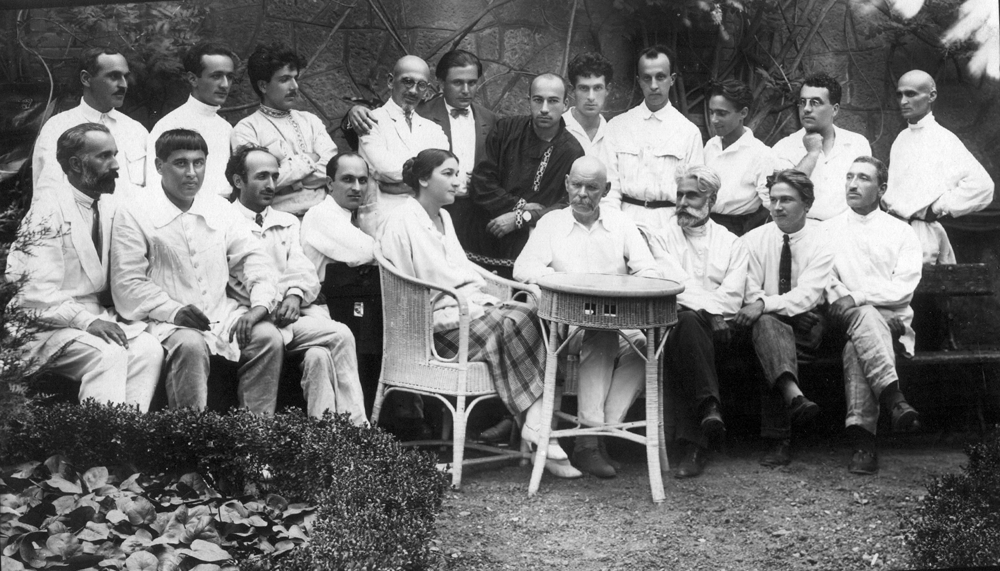

Around 1900 Tiflis was the seat of the Russian viceroy of the Caucasus and a crossroads of trade between Europe and Asia. Money from trade, banking and industry paid for new apartment houses, banks and theatres in the styles of Paris and Vienna.
The brandy maker David Sarajishvili built his mansion in Sololaki between 1903 and 1905 to a design by Karl Zaar, with a terrace laid in Villeroy & Boch tiles. On Golovinsky Prospekt, today’s Rustaveli Avenue, the businessman Alexander Melik-Azaryants raised a huge Art Nouveau block of flats and shops between 1912 and 1915.
Where to stay
- Sololaki: quiet streets of 1900s houses below the hill of Mtatsminda, close to the old town.
- The Old Town and Abanotubani: near the sulphur baths, the cathedrals and the river.
- Vera: a leafy district of cafés above Rustaveli Avenue.
Stays
Compare places to stay in Tbilisi
Opening soon
Art Nouveau Tbilisi
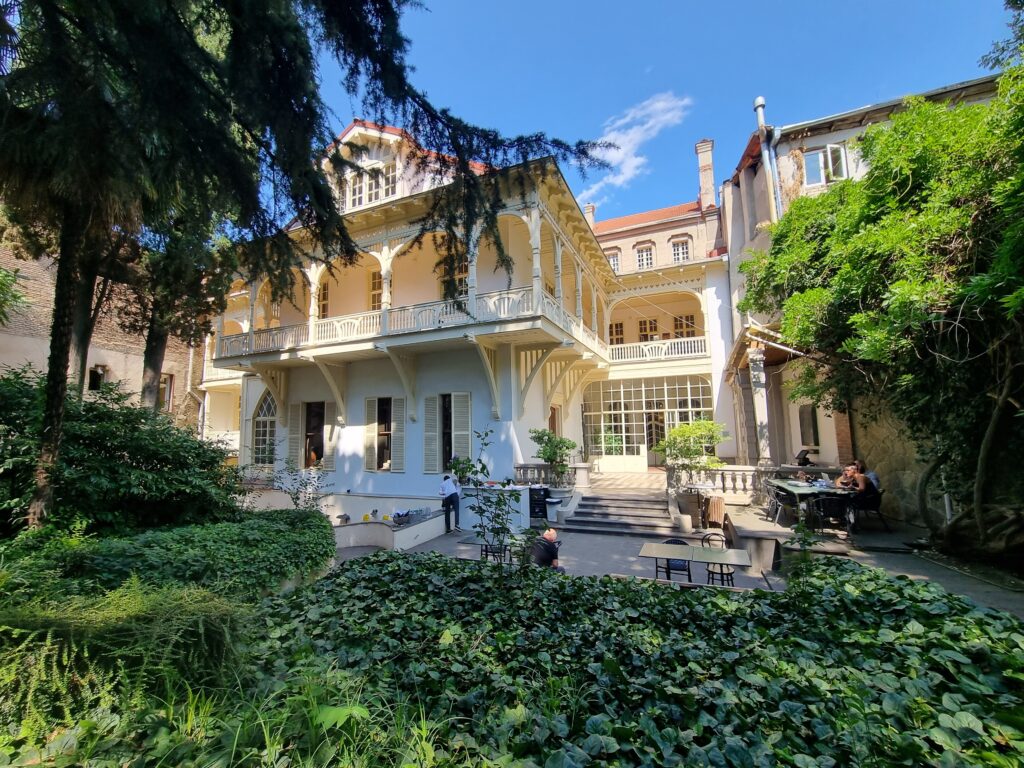

The Writers’ House of Georgia
Visit the Sarajishvili mansion of 1903 to 1905, now a centre for literature with the Museum of Repressed Writers and, in summer, a restaurant in the garden.
The Melik-Azaryants House
See the restored Art Nouveau block of 1912 to 1915 at Rustaveli Avenue 37, one of the largest buildings of its time in the city.
The entrance halls of Sololaki
Look into the painted hallways and staircases of the 1900s apartment houses; many are lived in, so enter only where it is welcome, or join a guided walk.
Rustaveli Avenue and the funicular
Walk the avenue past the opera house and the museums, then take the funicular of 1905 up to Mtatsminda for the view over the city.
Tours and activities
Compare tours and activities in Tbilisi
Opening soon
Getting there and getting around
Arriving
- By air: Tbilisi International Airport has flights from across Europe and the Middle East; taxis and buses run to the centre.
- By train: trains link Tbilisi with Batumi on the Black Sea coast.
Flights
Compare flights to Tbilisi
Opening soon
Around the city
- On foot: Sololaki, the Old Town and Rustaveli Avenue are close together, but the streets are steep.
- By metro and bus: the Tbilisi Metro has two lines; ride-hailing taxis are cheap.
- Car hire is useful for Mtskheta and the wine country of Kakheti.
Car hire
Compare car hire in Georgia
Opening soon
Staying connected
Georgia is not in the EU, so EU and UK phone plans may charge high roaming fees. An eSIM with a data allowance is a simple alternative.
eSIMs
Compare eSIMs for Georgia
Opening soon
Before you go
- Entry rules: British visitors can stay in Georgia without a visa for up to one year, and many other nationalities can also visit visa-free. Visitors must have health and accident insurance covering the whole stay, with cover of at least 30,000 lari. Your passport should be valid for the whole stay. Always check the latest official advice, for example GOV.UK travel advice for Georgia, or your own government’s.
- Safety: political demonstrations take place in Tbilisi, especially around the Parliament on Rustaveli Avenue on Saturday evenings; avoid them and follow local news. UK advice is against all travel to South Ossetia and Abkhazia.
- Medicines: Georgia has strict drug laws, and some medicines containing codeine are illegal; check before you travel.
- Combine it: for more Art Nouveau on the edge of Europe, see our Istanbul and Bucharest guides.
Travel Emporium compares offers from trusted travel providers. When you book, you book and pay directly with the provider shown. Some links earn us a commission, at no extra cost to you. How we work