
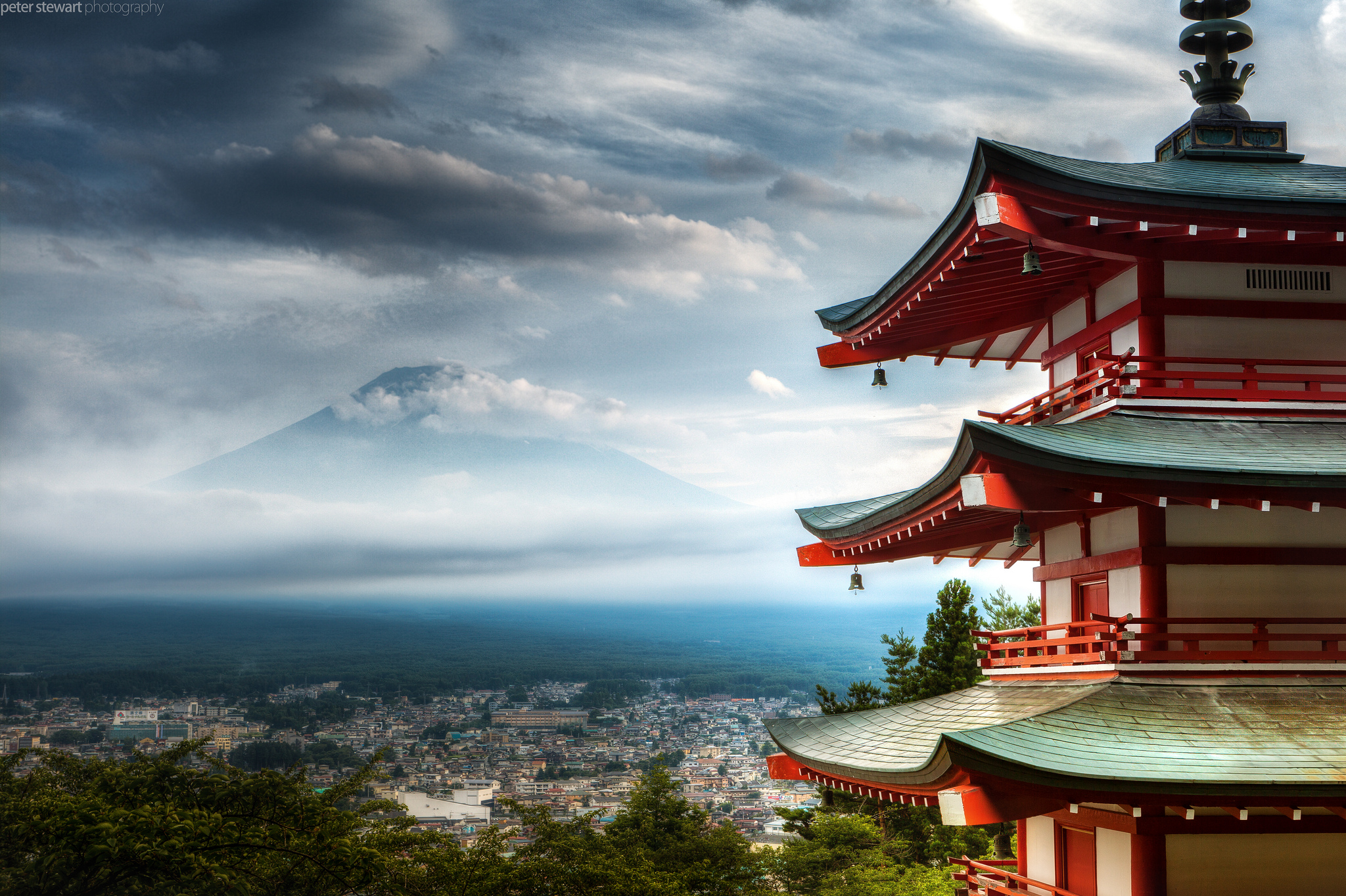
Neon cities and quiet temples, bullet trains and mountain villages, some of the world’s best food and a sense of calm order that makes travel easy. Japan rewards first-time visitors and keeps surprising those who return.
Facts checked: October 2026.
Japan at a glance
- Best time to go: late March to early April for the cherry blossom, and mid-October to early December for autumn colours.
- How long to stay: ten days to two weeks for a first trip covering Tokyo, Kyoto and Osaka.
- Main airports: Tokyo Haneda (HND) and Narita (NRT), and Osaka Kansai (KIX).
- Money: Japanese yen (JPY). Cards are widely accepted in cities, but carry some cash for small restaurants, temples and the countryside.
- Entry: British, American, Canadian, Australian and most EU passport holders can visit visa-free for up to 90 days. See Before you go below.
When to go
- Spring (March to May): cherry blossom in Tokyo and Kyoto usually peaks in late March or early April, and is very busy. Avoid Golden Week (around 29 April to 05 May), when Japanese families travel too.
- Summer (June to August): the rainy season runs from about early June to mid-July, followed by hot, humid weather and lively summer festivals. Mount Fuji’s climbing season is in July and August.
- Autumn (September to November): typhoons are possible in September, then clear, comfortable days and red and gold leaves from mid-October in the north to early December in Kyoto.
- Winter (December to February): cold and dry in Tokyo and Kyoto, with snow and skiing in Hokkaido and the Japanese Alps.
Where to go and where to stay
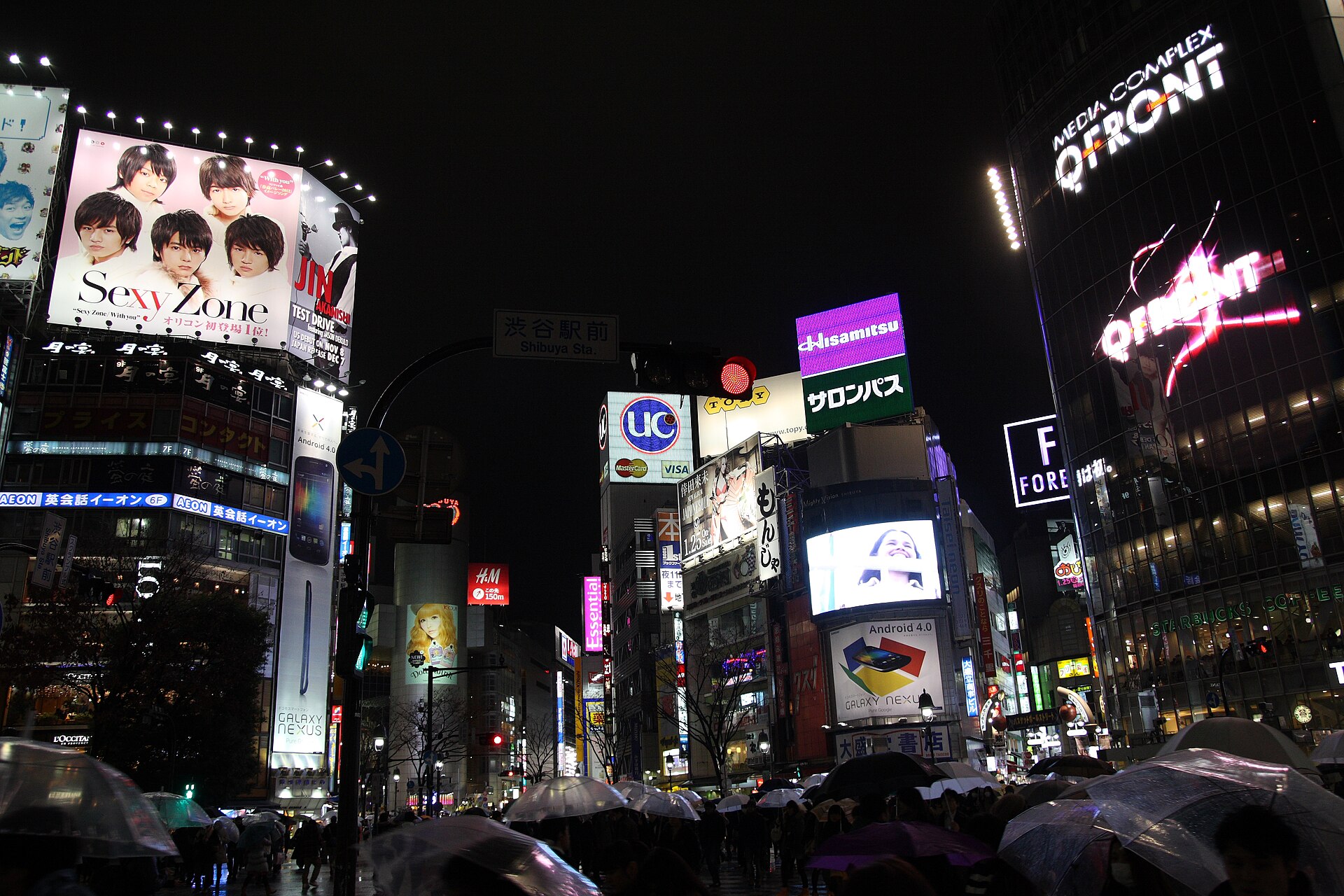


- Tokyo: Shinjuku and Shibuya for energy and transport links, Asakusa for old Tokyo and temples, Ginza for shopping, and quieter Ueno near the museums.
- Kyoto: temples, gardens and wooden townhouses. Stay near Kyoto Station for easy trains, or around Gion and Higashiyama to be close to the sights.
- Osaka: the food capital, lively Dotonbori, and a good base for day trips to Nara, Kyoto and Kobe.
- Hakone and Mount Fuji: hot springs, lake views and, on a clear day, the mountain itself. Stay a night in a ryokan, a traditional inn.
- Hiroshima and Miyajima: the moving Peace Memorial Park and the floating torii gate of Itsukushima Shrine.
- Further afield: Kanazawa’s gardens and samurai district, the shrines of Nikko, Hokkaido for snow and summer hiking, and the beaches of Okinawa.
Stays
Compare places to stay in Japan
Opening soon
Things to do in Japan
Tokyo’s neighbourhoods
Cross the Shibuya scramble, visit Sensō-ji temple in Asakusa, walk the forest paths of Meiji Shrine, and look out over the city from a free observation deck such as the Tokyo Metropolitan Government Building.

Kyoto’s temples and shrines
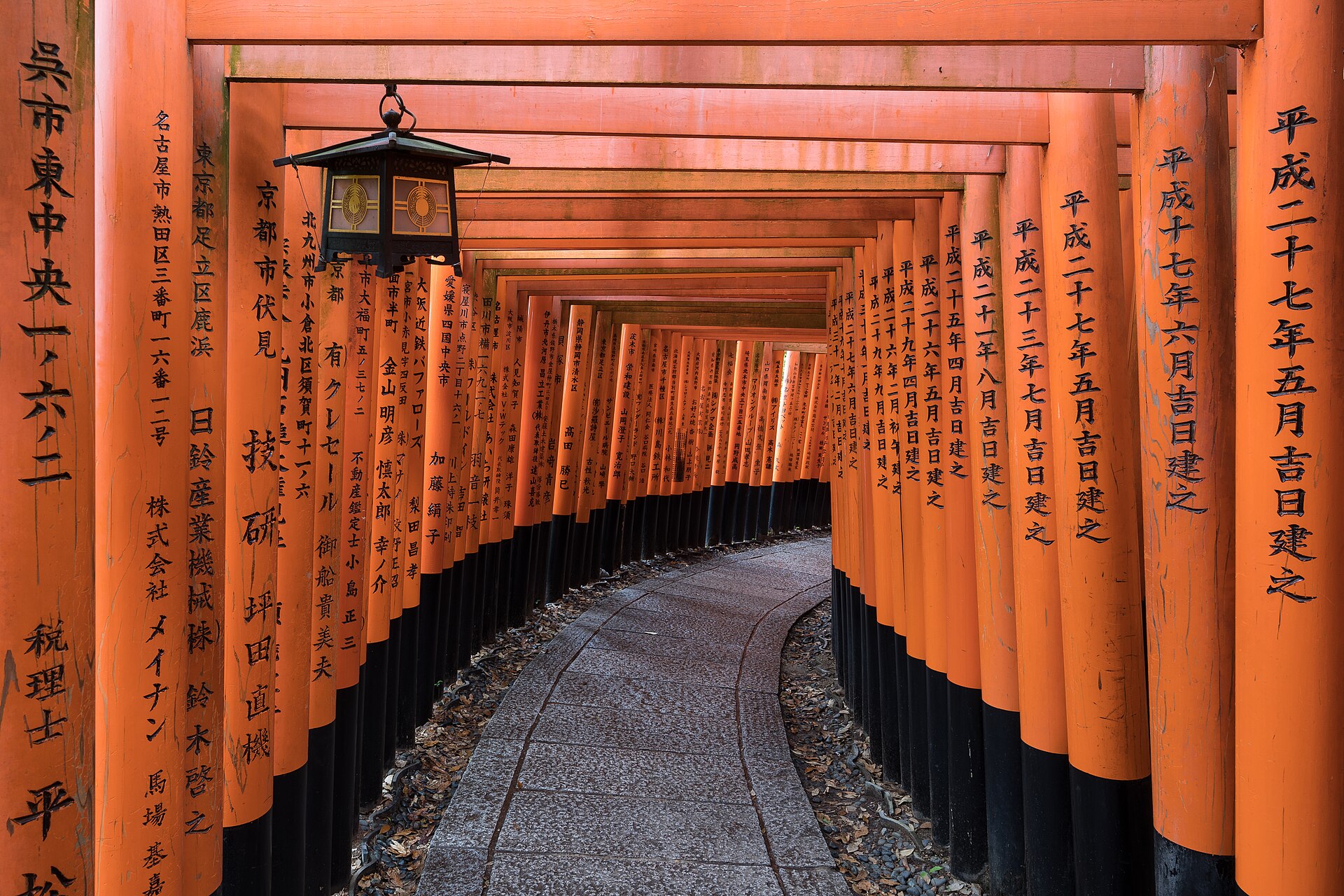
Walk through the thousands of red torii gates at Fushimi Inari (go at dawn), see the golden pavilion of Kinkaku-ji and the bamboo grove of Arashiyama. In Gion, respect the rules: some private lanes are closed to tourists and photographing geiko and maiko without permission is not allowed.

Nara
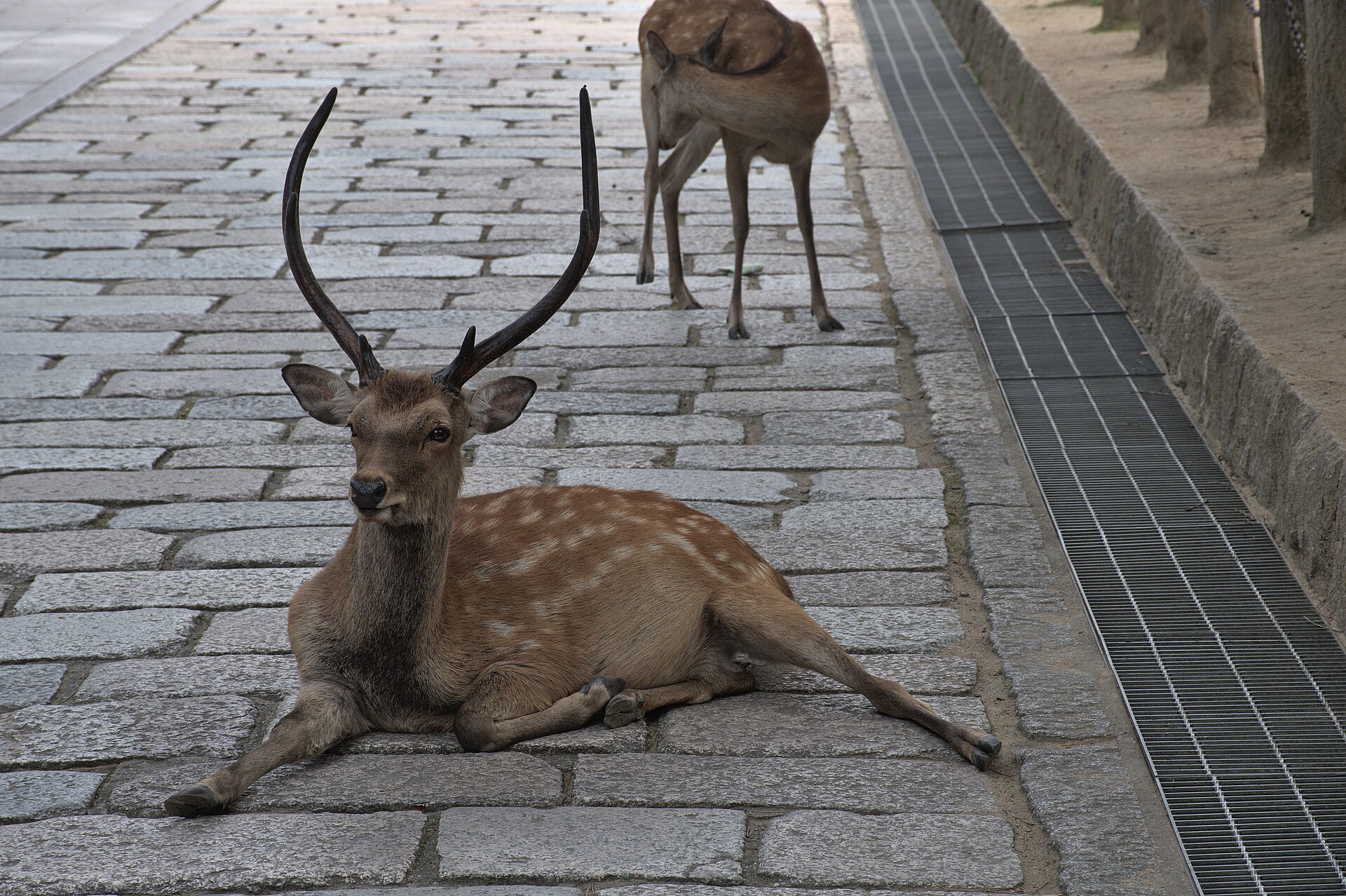
Japan’s first permanent capital, with the giant Buddha of Tōdai-ji and tame deer roaming the park. An easy day trip from Kyoto or Osaka.
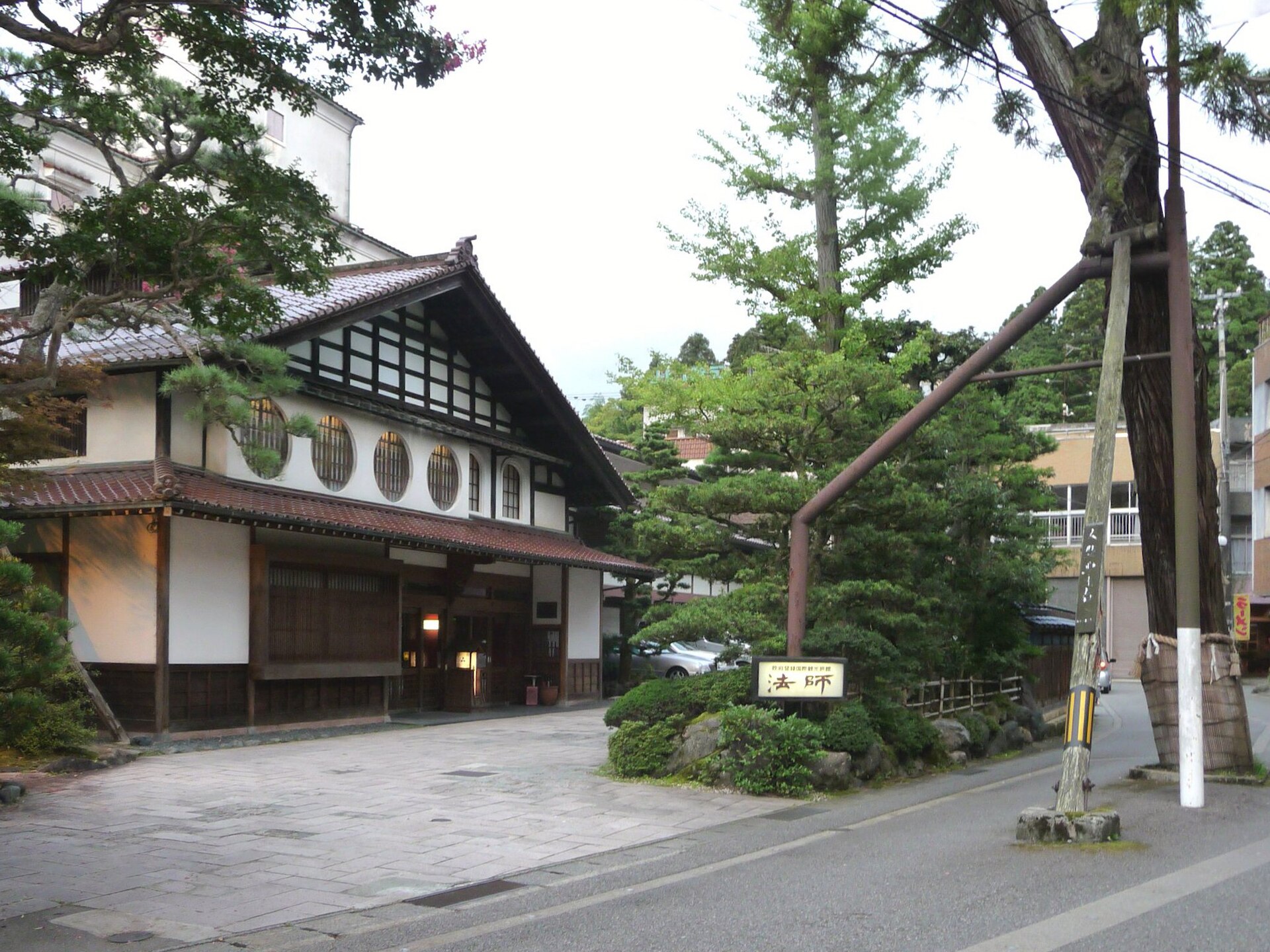

Hot springs and ryokan
Bathing in an onsen is a Japanese ritual: wash first, then soak, and leave your towel out of the water. Some baths do not allow tattoos, so check beforehand.
Food
Sushi, ramen, tempura and okonomiyaki, but also the convenience-store snacks, the food halls in department store basements, and tiny bars seating six people. A food tour is a good way to start.
Mount Fuji
See it from Hakone or the Fuji Five Lakes. Climbing is only possible in summer, and the main trails now have entry fees and daily limits, so check the official information before you go.
Tours and activities
Compare tours and activities in Japan
Opening soon
Getting there and getting around
Arriving
- Tokyo Haneda is close to the city: about 30 minutes by train or monorail.
- Tokyo Narita is further out: about an hour on the Narita Express or Skyliner.
- Osaka Kansai connects to Osaka and Kyoto by direct trains.
Flights
Compare flights to Japan
Opening soon
Around the country
- Shinkansen (bullet trains) link Tokyo, Kyoto, Osaka and Hiroshima, fast and on time. Tokyo to Kyoto takes just over two hours.
- Japan Rail Pass: prices rose on 01 October 2026 (for example ¥53,000 for seven days in ordinary class). It only pays off for long journeys on most days; for a Tokyo–Kyoto–Osaka trip, single tickets or a regional pass are often cheaper.
- IC cards such as Suica, PASMO or ICOCA, or the same cards added to your phone’s wallet, pay for local trains, metro, buses and even convenience stores.
- Luggage: send big suitcases ahead between hotels with a luggage delivery service; there is little space on trains.
Car hire
Not needed in the cities, but useful in Hokkaido, Okinawa and the countryside. You need an International Driving Permit (1949 Convention); holders of some licences, such as German, French and Swiss, need an official Japanese translation of their licence instead. Driving is on the left.
Car hire
Compare car hire in Japan
Opening soon
Staying connected
Free Wi-Fi is patchy outside hotels and stations. An eSIM, installed before you leave, gives you data for maps, translation and train times from the moment you land.
eSIMs
Compare eSIMs for Japan
Opening soon
Before you go
- Entry rules: British, American, Canadian, Australian and most EU citizens can stay up to 90 days without a visa as tourists. Fill in Visit Japan Web before you travel to speed up immigration and customs. An online travel authorisation, JESTA, is planned for around 2028 and is not needed yet. Always check the latest official advice, for example GOV.UK travel advice for Japan, or your own government’s.
- Departure tax: ¥3,000 per person from 01 July 2026, usually included in your flight ticket.
- Tax-free shopping: from 01 November 2026 you pay the full price, including tax, and claim the refund when you leave Japan, for purchases of at least ¥5,000 in one shop on one day. Keep your receipts and the goods with you for the check at the airport.
- Etiquette: no tipping, quiet voices and no phone calls on trains, and take your shoes off where you see a step up or slippers.
- Combine it: fly on to our Shanghai guide for Art Deco on the Bund, or to Singapore.
Travel Emporium compares offers from trusted travel providers. When you book, you book and pay directly with the provider shown. Some links earn us a commission, at no extra cost to you. How we work