
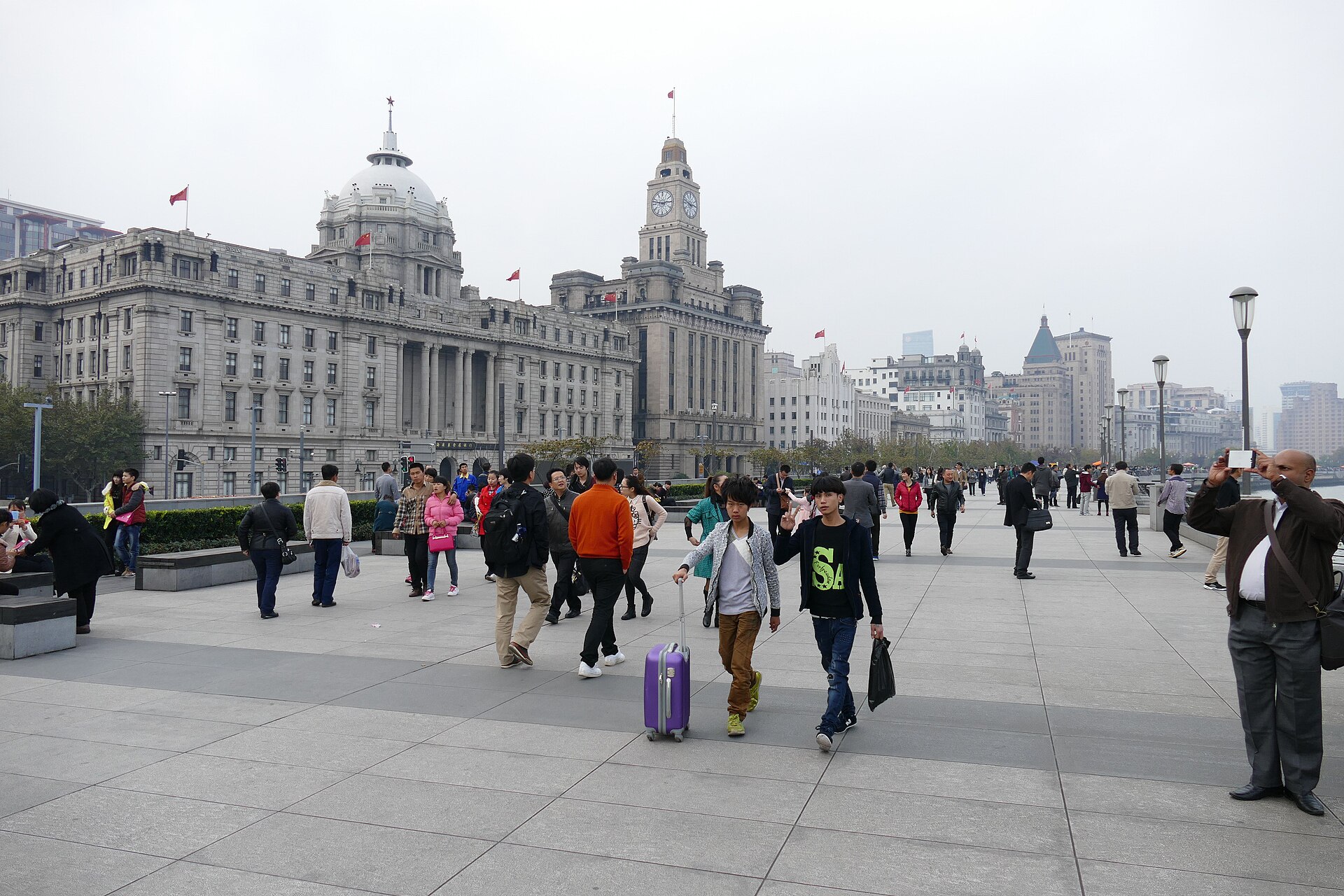

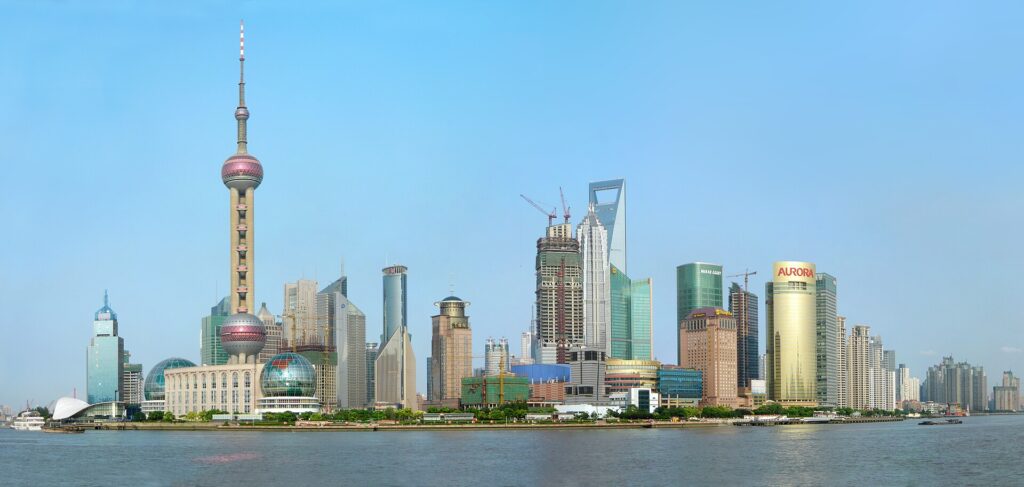
In the 1920s and 1930s Shanghai was the most glamorous city in Asia, and it built in Art Deco on a grand scale: banks and hotels on the Bund, cinemas, dance halls and apartment towers. Many of these buildings still stand, now facing the glittering skyscrapers of Pudong across the river. Few cities show a century of change so clearly from a single riverside walk.
Facts checked: November 2026.
Shanghai at a glance
- Best time to go: April to May and October to November; summers are hot and humid, with a rainy season in June and July.
- How long to stay: three to four days, plus a day trip to the water towns nearby.
- Airports: Shanghai Pudong International (PVG) for most international flights, and Shanghai Hongqiao (SHA), closer to the city.
- Money: Chinese yuan (CNY). Most payments are made by phone with Alipay or WeChat Pay, which both accept foreign cards; carry some cash as a back-up.
- Entry: British, most EU, Australian and some other citizens can currently visit mainland China visa-free for up to 30 days. See Before you go below.
Then: Shanghai between the wars
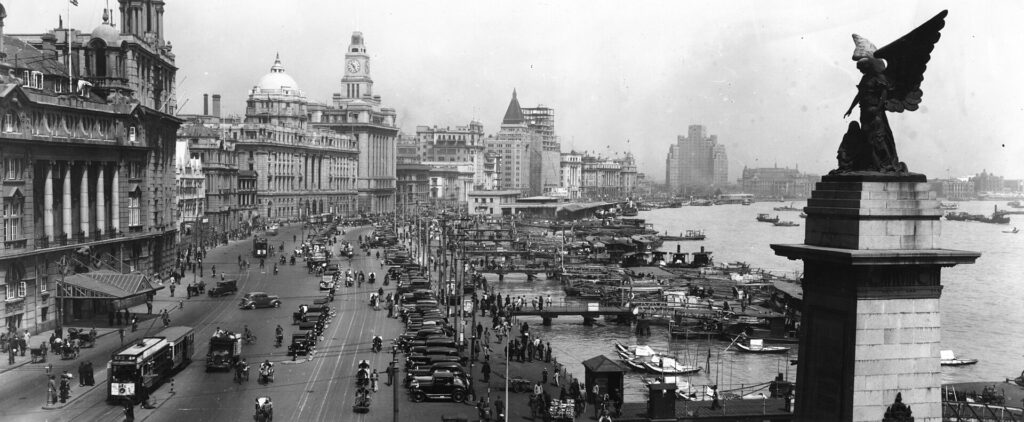

By 1930 Shanghai was one of the busiest ports in the world, a city of foreign concessions, Chinese merchants, refugees and adventurers. Along the Bund, banks and trading houses built stone palaces facing the river. In 1929 the Sassoon House, now the Peace Hotel, rose at the corner of Nanjing Road with a green pyramid roof, and Art Deco spread across the city.
The Hungarian-Slovak architect László Hudec built the Park Hotel and the Grand Theatre, and cinemas, department stores and apartment blocks followed in the same style. Shanghai is often said to have one of the largest collections of Art Deco buildings in the world.
Where to stay
- The Bund and Nanjing Road: heritage hotels and river views, in the middle of the Art Deco city.
- The former French Concession: plane-tree avenues, villas, cafés and boutiques; quieter and very walkable.
- Jing’an: central and well connected, around the Jing’an Temple and West Nanjing Road.
- Pudong (Lujiazui): modern towers with views back to the Bund; close to the business district.
Stays
Compare places to stay in Shanghai
Opening soon
Art Deco and heritage Shanghai
The Bund
The riverside promenade lined with banks, trading houses and hotels from the late 19th century to the 1930s. Walk it in the evening, when the old buildings are lit on one side and the towers of Pudong on the other.
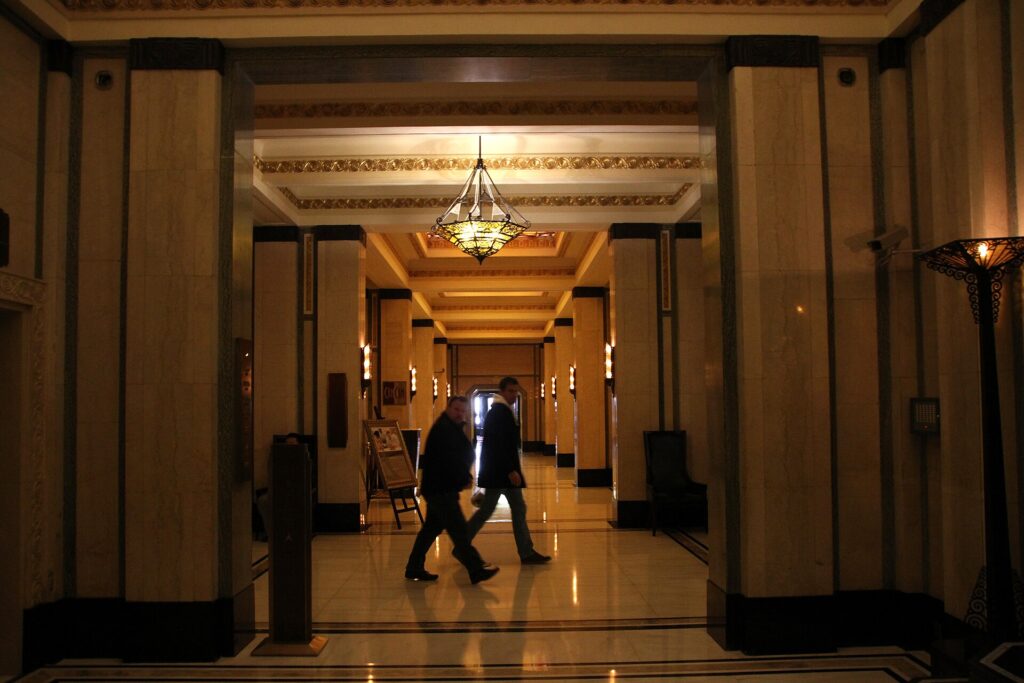

The Peace Hotel
The former Sassoon House of 1929, with its green roof, is the landmark of Art Deco Shanghai. Look into the lobby, with its glass and bronze, or listen to music in the jazz bar.
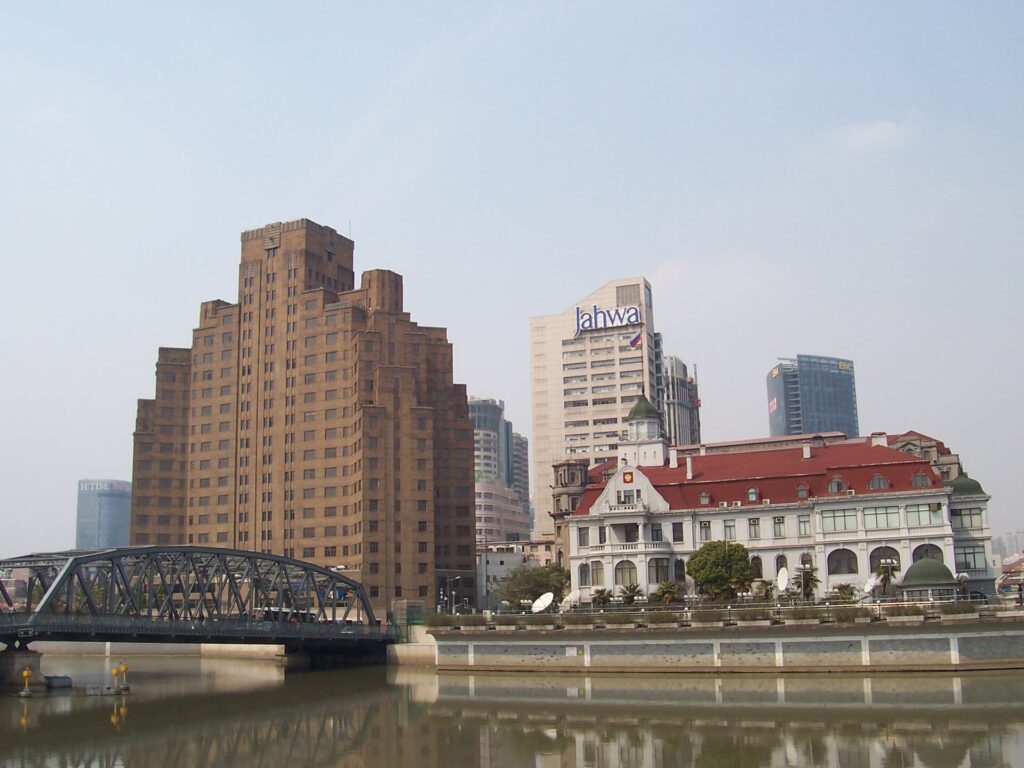

Broadway Mansions and the Garden Bridge
At the north end of the Bund, the stepped brick tower of Broadway Mansions, from the 1930s, stands beside the steel Waibaidu or Garden Bridge over Suzhou Creek.
The Park Hotel and People’s Square
Hudec’s dark brick tower of 1934 faces People’s Park; nearby is his Grand Theatre, and the Shanghai Museum on People’s Square.
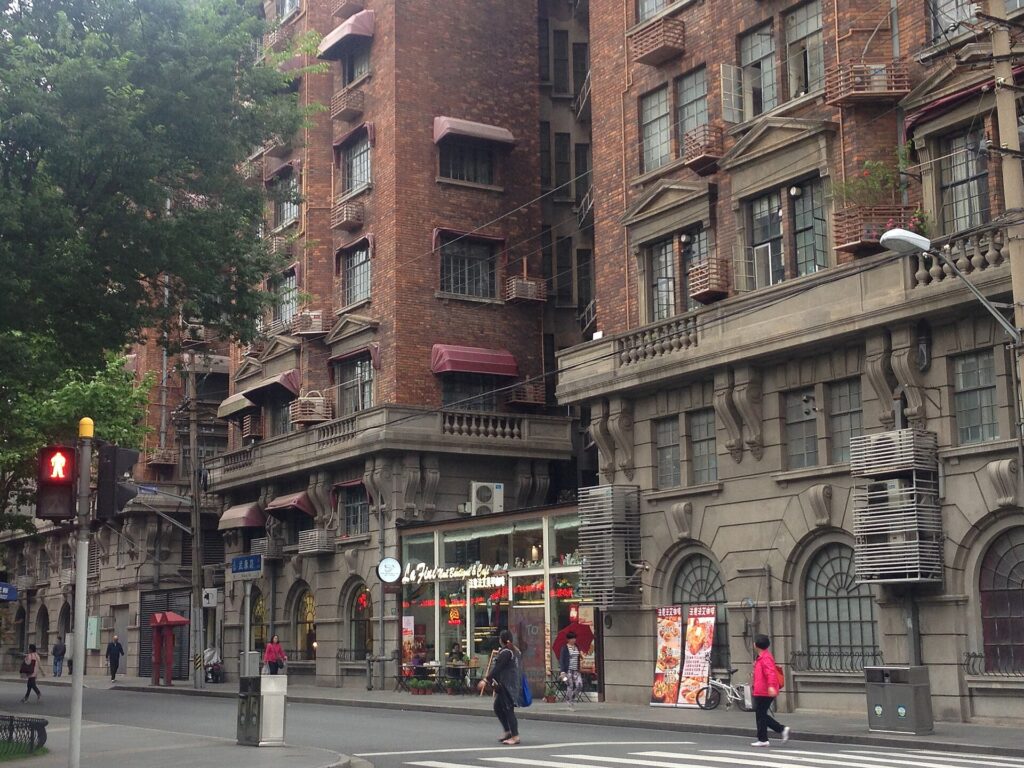

The former French Concession
Walk the tree-lined streets around Wukang Road and Huaihai Road to see villas, apartment houses and the flatiron Wukang Mansion, finished in 1924 for the Normandie Apartments.
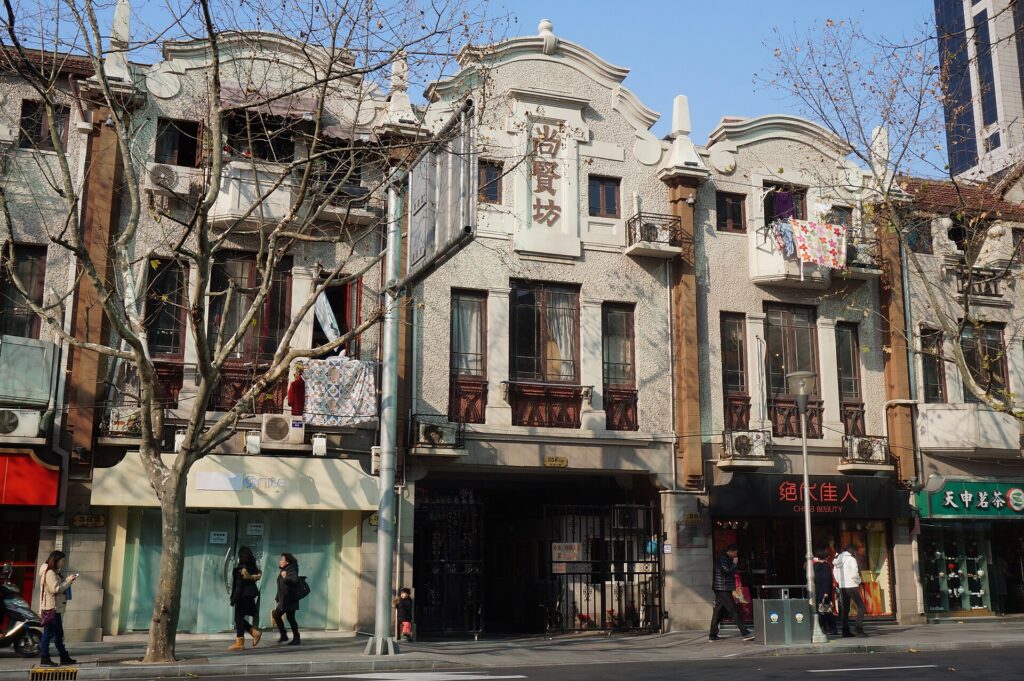

Shikumen lanes
Shanghai’s own style of terraced lane houses, with carved stone gateways, from the late 19th century to the 1930s. Some lanes are still homes; others, such as Tianzifang and Xintiandi, are full of shops and cafés.
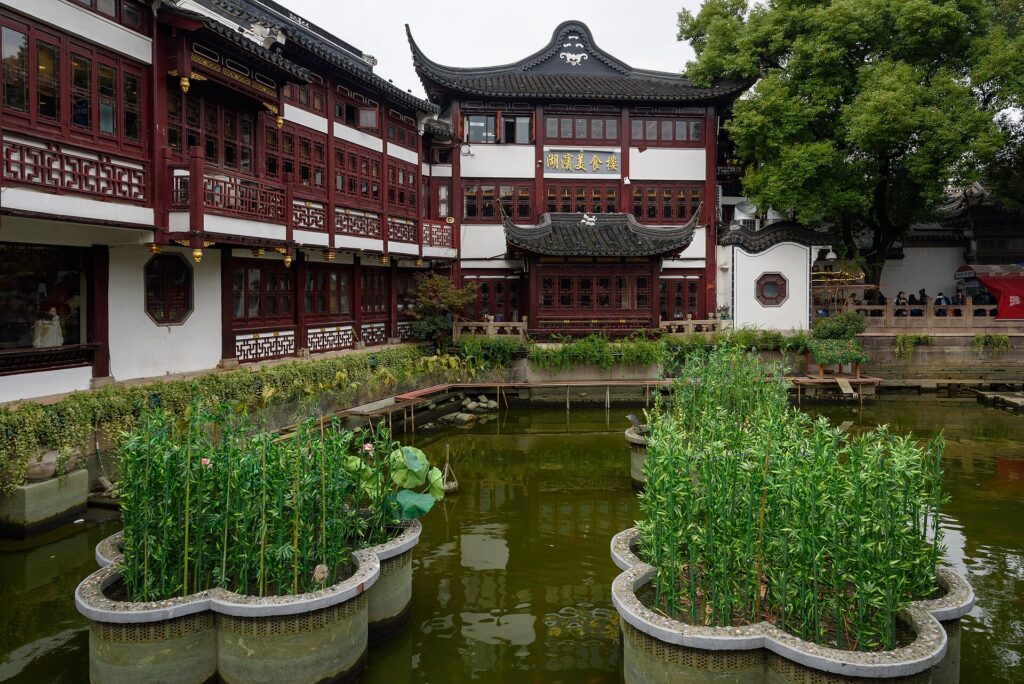

The Yu Garden
A classical Chinese garden laid out in the 16th century, with rockeries, ponds and pavilions, in the old town south of the Bund. Go early, before the crowds.
Tours and activities
Compare tours and activities in Shanghai
Opening soon
Getting there and getting around

Arriving
- By air: from Pudong airport, take the Maglev train to Longyang Road and change to the metro, or take metro line 2 all the way; a taxi takes about an hour to the centre. Hongqiao airport is on the metro too.
- By train: high-speed trains from Beijing, Hangzhou, Suzhou and many other cities arrive at Hongqiao and other main stations.
Flights
Compare flights to Shanghai
Opening soon
Around the city
- The metro is fast, cheap and signposted in English, and reaches almost everywhere you will want to go.
- Taxis and ride-hailing apps are plentiful; have your destination written in Chinese.
- Ferries cross the Huangpu between the Bund and Pudong for a few yuan.
- Car hire is not practical for visitors: a Chinese driving licence is needed to drive in China.
Staying connected
Many Western apps and websites, including Google services, do not work on Chinese networks. An eSIM or roaming plan from a foreign provider often routes data abroad, so check what the provider says about use in mainland China before you buy.
eSIMs
Compare eSIMs for China
Opening soon
Before you go
- Entry rules: British, most EU, Australian and some other citizens can currently visit mainland China visa-free for up to 30 days; this scheme is set to run until 31 December 2026, so check before you book travel after that. Americans and others can use visa-free transit of up to 240 hours with an onward ticket to a third country, or apply for a visa. Always check the latest official advice, for example GOV.UK travel advice for China, or your own government’s.
- Payments: set up Alipay or WeChat Pay and link your card before you travel.
- Passport: you will need it to buy train tickets and check in at hotels.
- Combine it: for more Art Deco in Asia, see our Singapore, Mumbai, Manila and Hanoi guides.
Travel Emporium compares offers from trusted travel providers. When you book, you book and pay directly with the provider shown. Some links earn us a commission, at no extra cost to you. How we work