
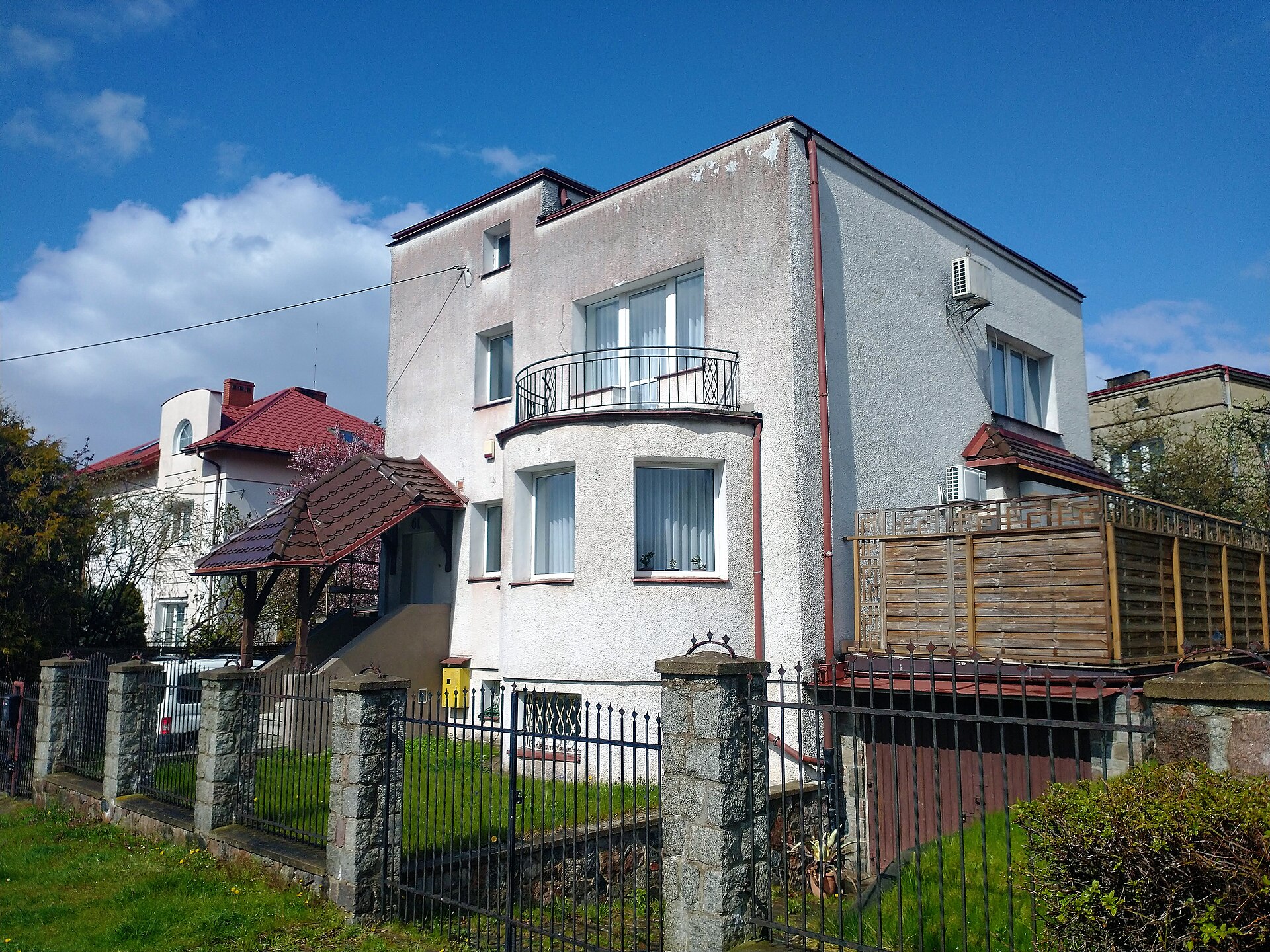

After the First World War, Czechoslovakia and Poland were new states, and they wanted to look new. Brno built white functionalist cafés, schools and villas; Katowice, the capital of Polish Silesia, built a steel-framed skyscraper and a parliament; and on the Baltic, Poland built a whole port city, Gdynia, almost from nothing. This journey links three cities of the 1920s and 1930s that are still far off the usual tourist trail.
Facts checked: November 2026.
The journey at a glance
- The route: Brno, Katowice and Gdynia, or the same in reverse.
- Travel time: about four hours from Brno to Katowice, changing in Ostrava or Přerov, and about six hours from Katowice to Gdynia on direct trains across Poland.
- How long: one week, with two nights in each city, or more by the sea.
- Best time: May to September; the Baltic is at its best in July and August.
Then: new states, new cities
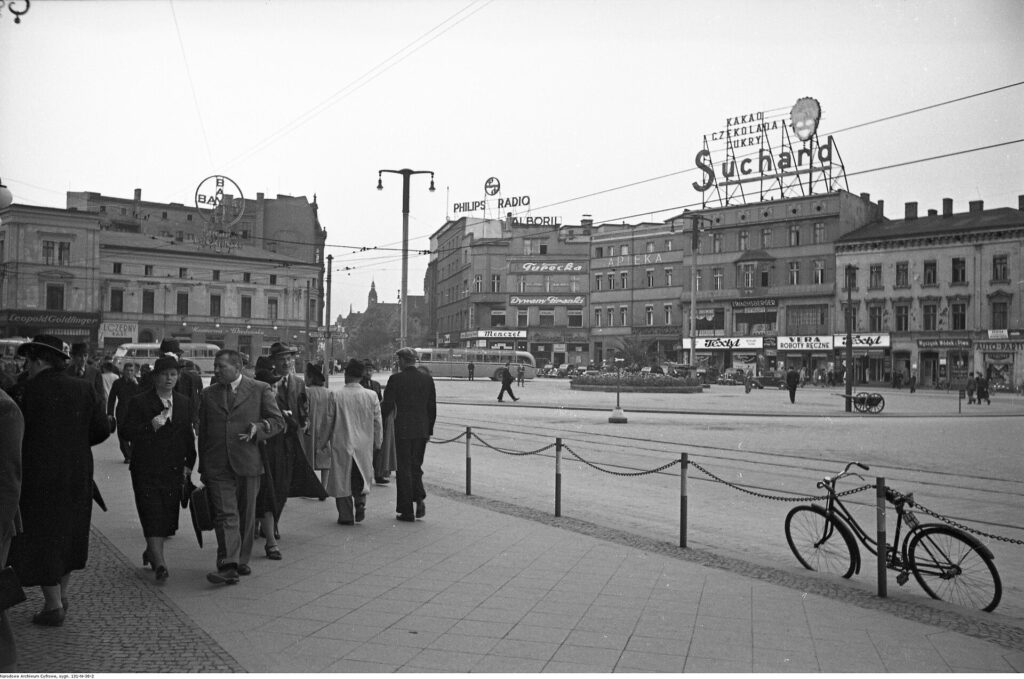

Czechoslovakia and Poland were born in 1918. Both had young architects trained in the new modern style, and both wanted buildings that showed they belonged to the future rather than to the old empires.
In Brno, Bohuslav Fuchs and others built light, flat-roofed buildings, and Mies van der Rohe built the Villa Tugendhat. In Katowice, the Silesian Parliament and the Drapacz Chmur of 1934 rose over a coal and steel city. And Gdynia, a fishing village in 1920, grew into a port city of more than 100,000 people by 1939, with streamlined houses that look like ocean liners.
The stops
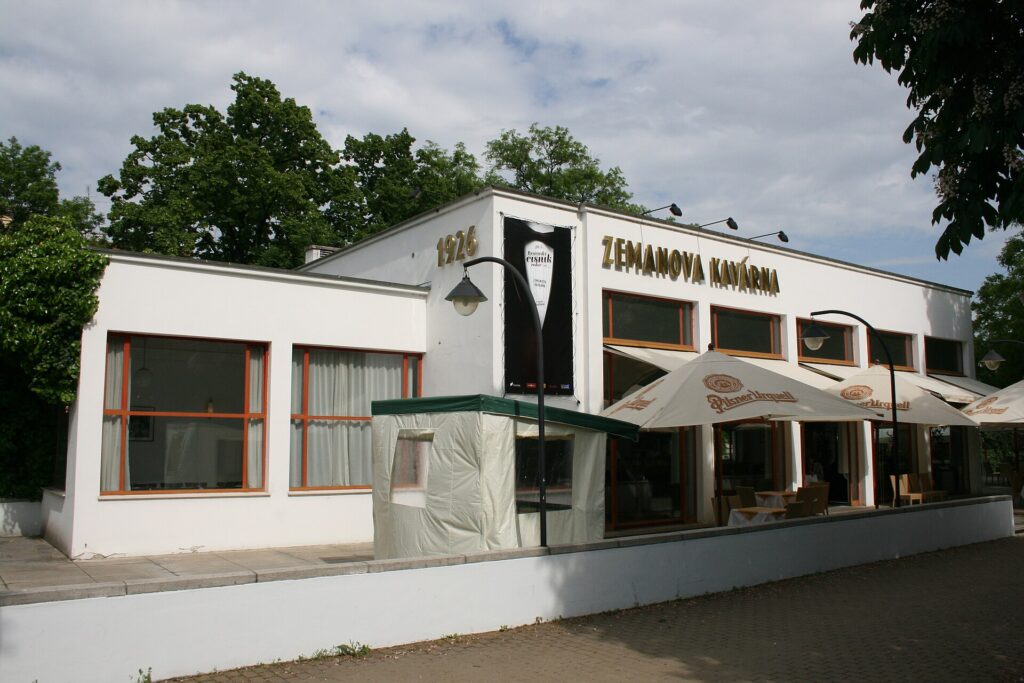

Brno
The Villa Tugendhat, a UNESCO World Heritage Site, the exhibition grounds of 1928 and the rebuilt Café Zeman. Book the villa well ahead. See our Brno guide.
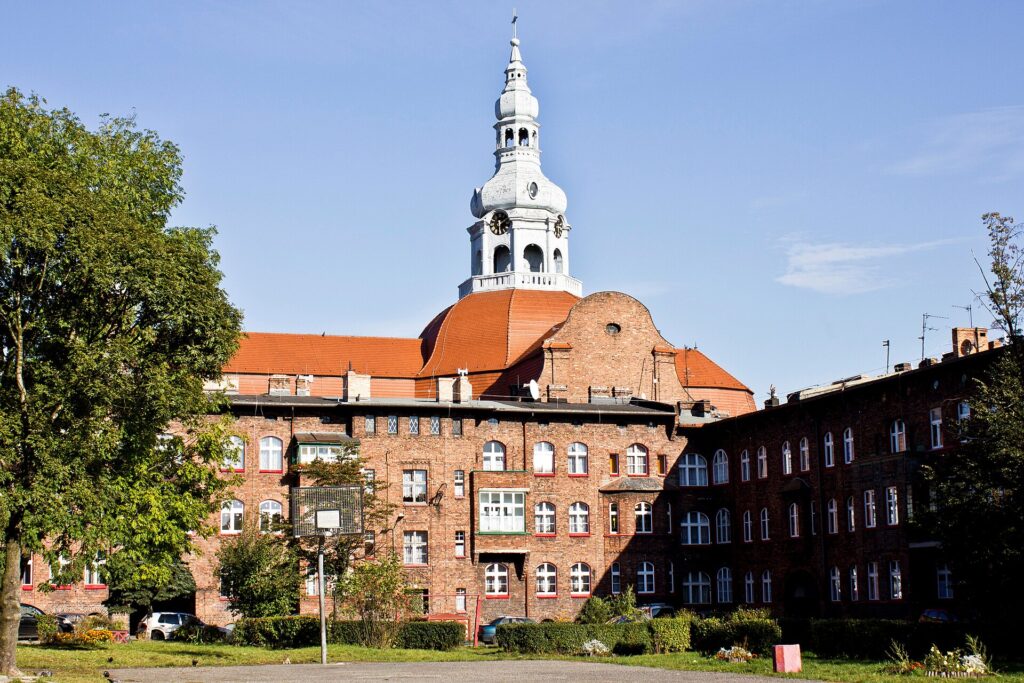

Katowice
The Drapacz Chmur, the Silesian Parliament and the red-brick miners’ estate of Nikiszowiec. See our Katowice guide.
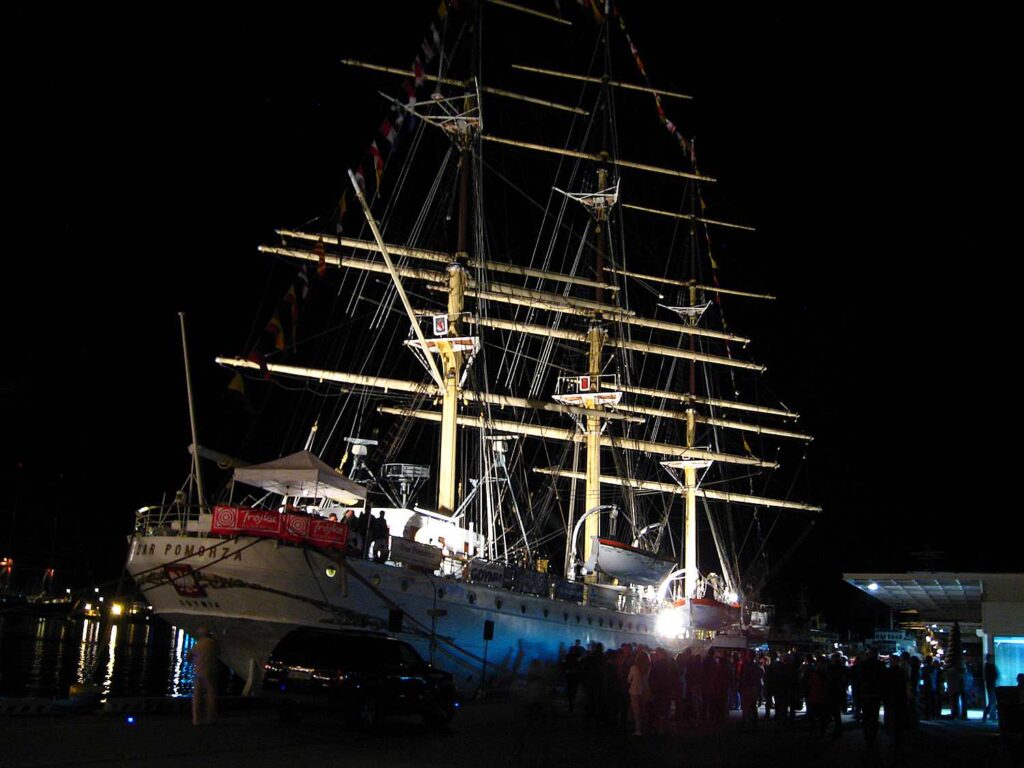

Gdynia
White modernist streets, the sailing ship Dar Pomorza and the destroyer Błyskawica, with Gdańsk and Sopot next door. See our Gdynia guide.
Stays
Compare places to stay along the route
Opening soon
Making the journey today
- Brno to Katowice: trains to Ostrava, or with a change in Přerov, then a cross-border train to Katowice.
- Katowice to Gdynia: direct long-distance trains of the Polish railways, many running via Warsaw; seat reservations are included on most fast trains.
- Borders: Czechia and Poland are both in the Schengen area, so there are no routine passport checks, but carry your passport or ID card.
- Money: Czechia uses the koruna and Poland the złoty.
Tours and activities
Compare tours and activities along the route
Opening soon
Travel Emporium compares offers from trusted travel providers. When you book, you book and pay directly with the provider shown. Some links earn us a commission, at no extra cost to you. How we work