
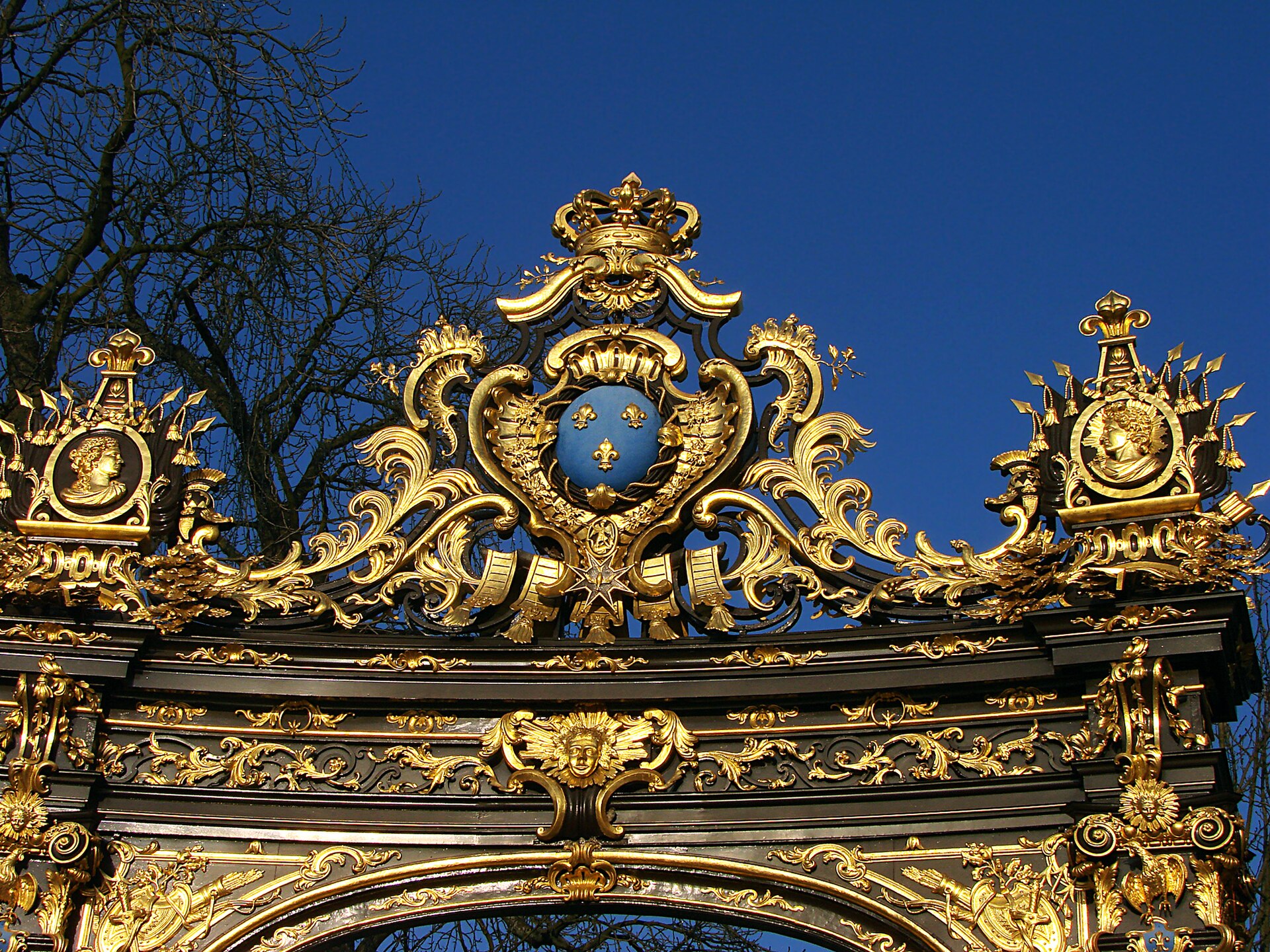

Nancy has two golden ages. In the 18th century it built Place Stanislas, one of the most beautiful squares in Europe, with gates of gilded iron. Around 1900 it became a capital of Art Nouveau, when Émile Gallé, Louis Majorelle and the Daum brothers founded the École de Nancy and filled the city with glass, furniture and houses inspired by plants and insects. Only an hour and a half from Paris by train, it makes a rewarding short break.
Facts checked: November 2026.
Nancy at a glance
- Best time to go: May to September; in December the city celebrates Saint Nicholas, the patron saint of Lorraine, with markets and a parade.
- How long to stay: two days, or a day trip from Paris.
- Getting there: high-speed trains from Paris Gare de l’Est in about an hour and a half; the nearest large airports are in Paris, Luxembourg and Strasbourg.
- Money: euro (EUR). Cards are accepted almost everywhere.
- Entry: France is in the EU and the Schengen area. Many non-EU visitors, including British, American, Canadian and Australian citizens, can visit visa-free for up to 90 days in any 180-day period. See Before you go below.
Then: Nancy around 1900

After the war of 1870, Germany annexed Alsace and part of Lorraine, and Nancy became a French city close to the new border. Thousands of people, and many workshops, moved there from the lost provinces, and the city grew fast and proud.
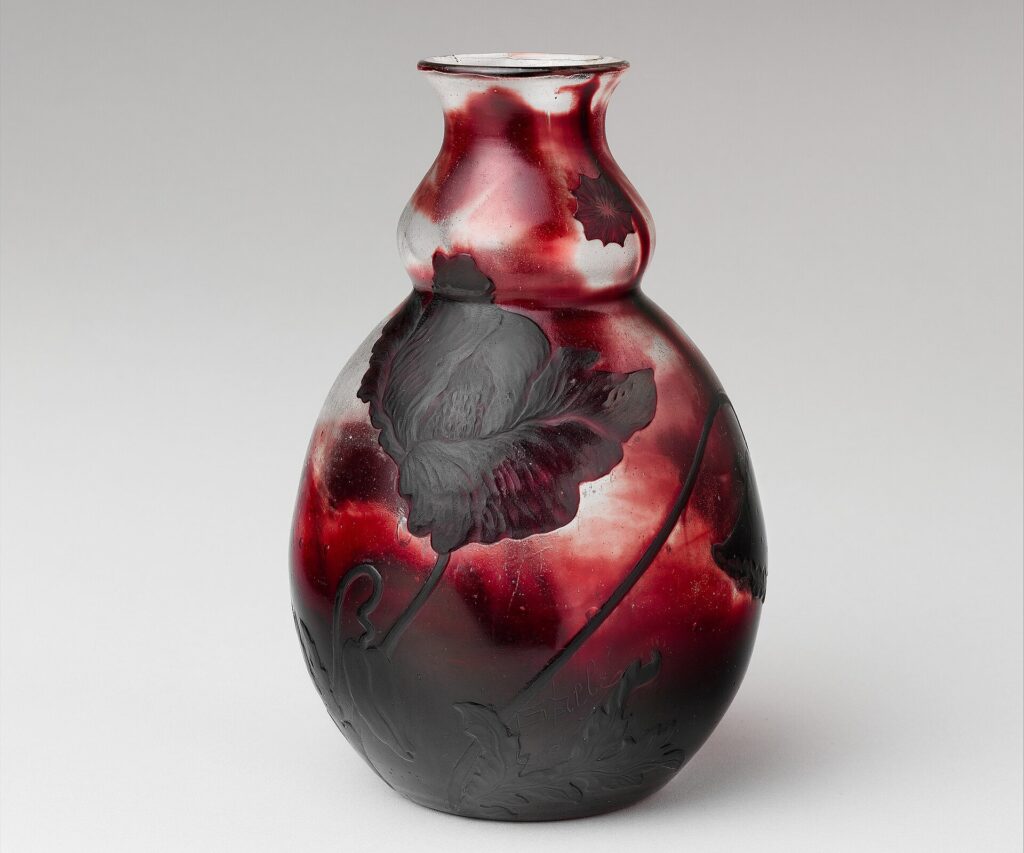
Its craftsmen answered with a style of their own. In 1901 the glassmaker Émile Gallé, the cabinetmaker Louis Majorelle, the Daum glassworks and their friends formed the École de Nancy, an alliance of the arts and industry. Their vases, lamps, furniture and stained glass, full of thistles, dragonflies and water lilies, were shown at the great exhibitions in Paris.
Where to stay
- Around Place Stanislas and the old town: elegant squares, the Ducal Palace and the best restaurants, all on foot.
- Near the station: convenient for day trips, with the Art Nouveau streets of the city centre close by.
- Saurupt and the Parc Sainte-Marie: quieter districts of Art Nouveau villas, a short tram ride from the centre.
Stays
Compare places to stay in Nancy
Opening soon
Art Nouveau and heritage Nancy
Place Stanislas
Laid out in the 1750s for Stanislas, the last Duke of Lorraine, with pale stone palaces and Jean Lamour’s gilded gates and fountains. It is a UNESCO World Heritage Site with the Place de la Carrière and the Place d’Alliance.
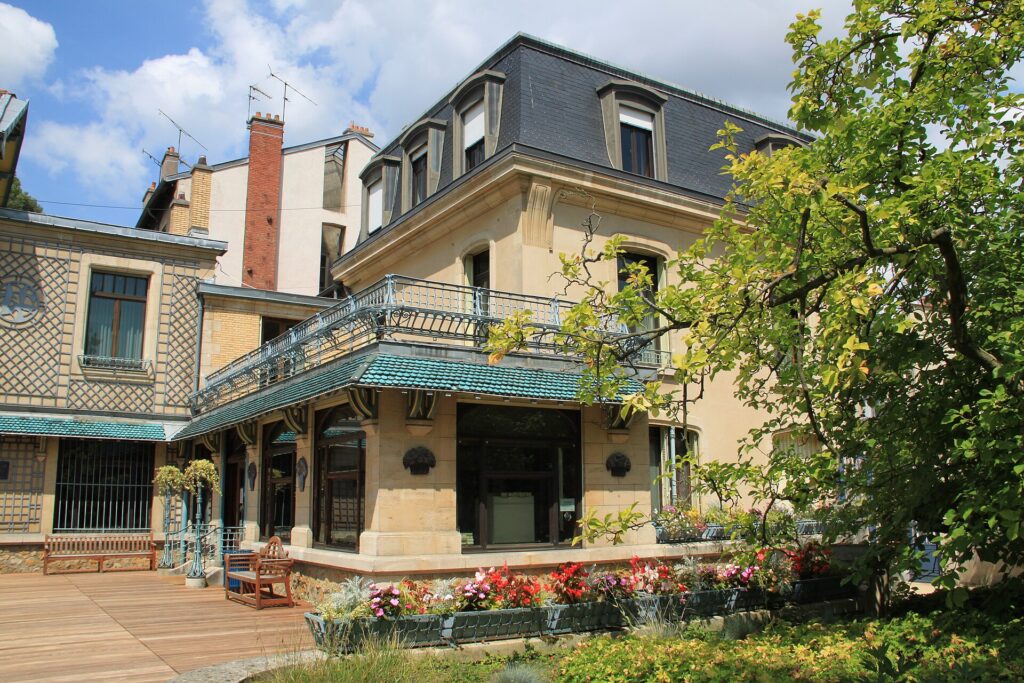

The Musée de l’École de Nancy
The museum of the movement, in a villa with a garden, with furniture by Majorelle, glass by Gallé and Daum, and complete rooms of the period.
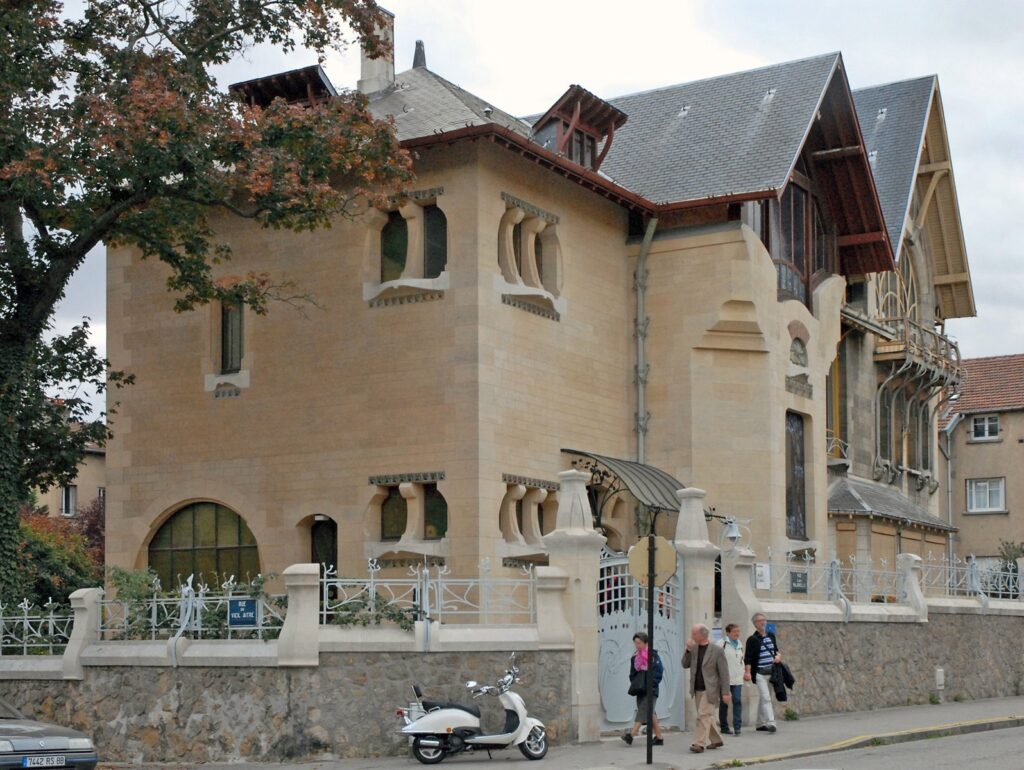

The Villa Majorelle
The house built for Louis Majorelle in 1901 and 1902, with ironwork, stained glass and woodwork by the best artists of the school. It reopened in 2020 after a long restoration.
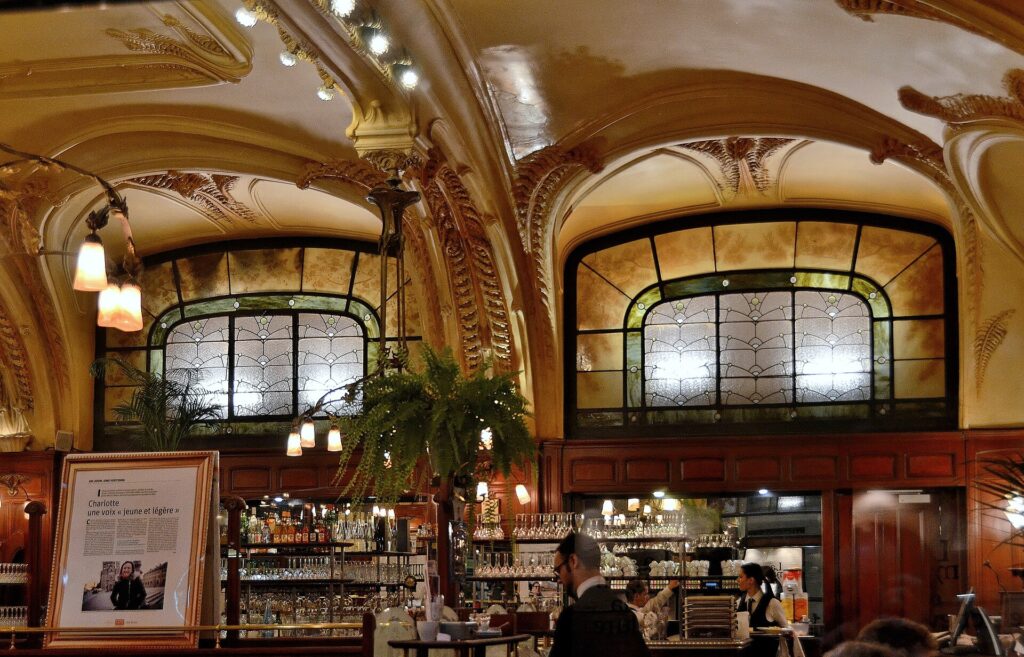

The Brasserie Excelsior
Opposite the station, a brasserie of 1911 with an Art Nouveau dining room with woodwork by Majorelle and stained glass by Jacques Gruber. Stop for lunch or a coffee.
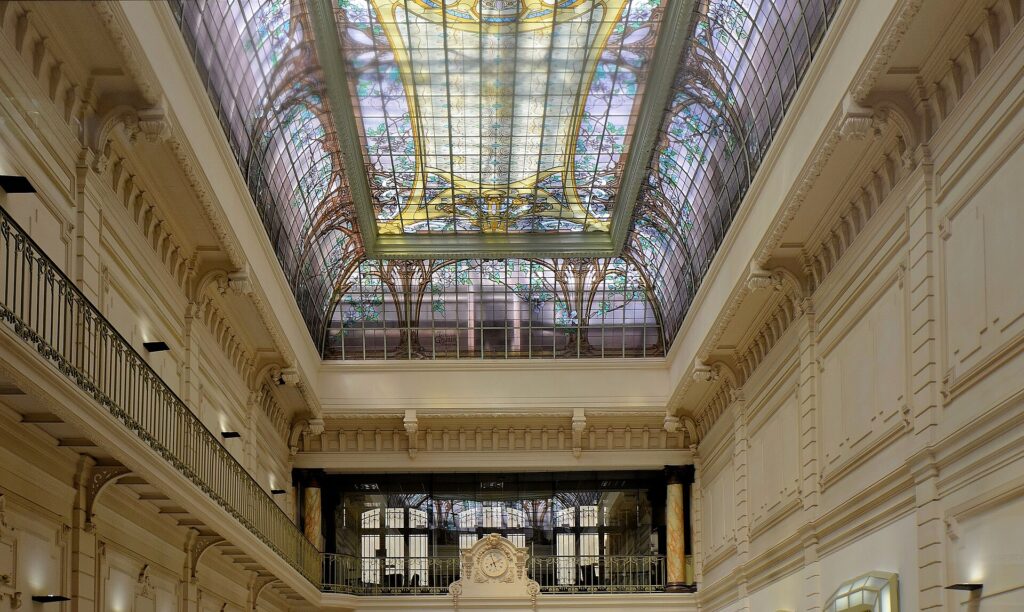

Gruber’s glass roof
In the former Crédit Lyonnais bank on rue Saint-Georges, Jacques Gruber’s great glass roof of ginkgo leaves still lights the banking hall.
The Musée des Beaux-Arts
On Place Stanislas, the fine arts museum holds one of the largest collections of Daum glass in the world, displayed in its vaulted basement.
Tours and activities
Compare tours and activities in Nancy
Opening soon
Getting there and getting around
Arriving
- By train: TGV trains from Paris Gare de l’Est reach Nancy in about an hour and a half; trains also run to Metz, Strasbourg and Luxembourg.
- By air: fly to Paris, Luxembourg or Strasbourg and continue by train.
Flights
Compare flights to Paris or Luxembourg
Opening soon
Around the city
- On foot for the old town, Place Stanislas and the station area.
- By tram and bus for the Art Nouveau districts further out.
- Car hire is useful for the Vosges mountains, the battlefields of Verdun and the wine villages of Alsace.
Car hire
Compare car hire in France
Opening soon
Staying connected
Visitors with an EU phone plan can roam at home prices. Others, including many UK plans, may pay extra, so an eSIM with a data allowance is a simple alternative.
eSIMs
Compare eSIMs for France
Opening soon
Before you go
- Entry rules: EU and EEA citizens only need a valid ID card or passport. Many other nationalities, including British, American, Canadian and Australian citizens, can visit the Schengen area visa-free for up to 90 days in any 180-day period. At the border, the EU’s Entry/Exit System registers non-EU visitors with fingerprints and a photo. ETIAS, an online travel authorisation, is expected to start in 2027 and is not needed yet. Always check the latest official advice, for example GOV.UK travel advice for France, or your own government’s.
- Opening days: many museums in Nancy close on Mondays or Tuesdays, and visits to the Villa Majorelle must be booked in advance; check before you go.
- Food: try quiche lorraine, macarons de Nancy and bergamot sweets.
- Combine it: Strasbourg and Paris are about an hour and a half away by train, and our Art Nouveau by rail journey links Nancy with Brussels and Antwerp.
Travel Emporium compares offers from trusted travel providers. When you book, you book and pay directly with the provider shown. Some links earn us a commission, at no extra cost to you. How we work