
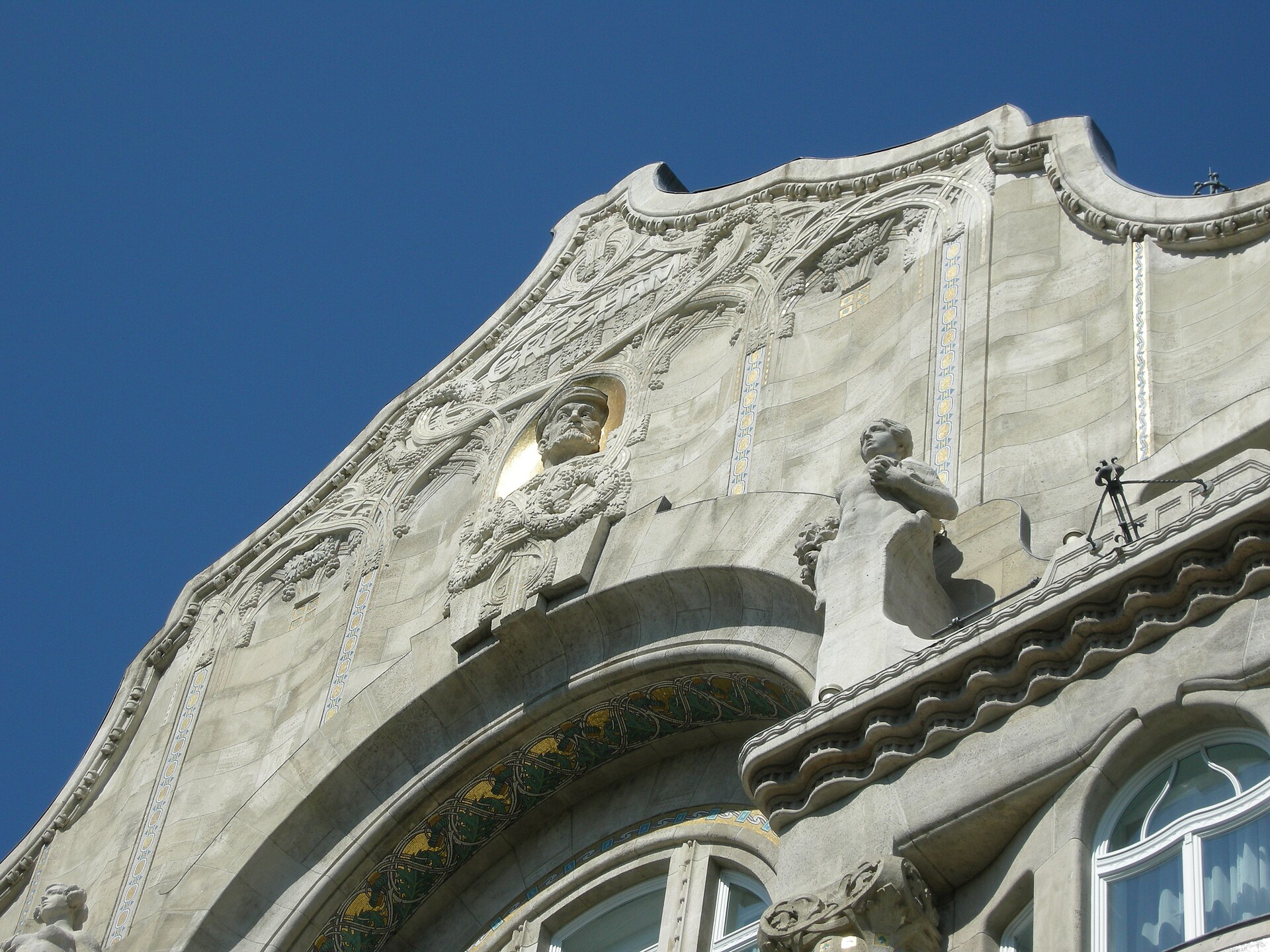

Budapest grew up fast and grand in the years around 1900, and it still shows. Roofs glitter with coloured Zsolnay tiles, the first underground railway on the European continent runs beneath Andrássy Avenue, and the coffee houses and thermal baths of the Belle Époque are still in daily use. Add the Danube, the Parliament and Castle Hill, and Budapest is one of the most beautiful capitals in Europe.
Facts checked: November 2026.
Budapest at a glance
- Best time to go: April to June and September to October; December brings Christmas markets, and the baths are a treat in winter.
- How long to stay: three or four days, more with a trip to the Danube Bend or Lake Balaton.
- Airport: Budapest Ferenc Liszt International (BUD), about 16 kilometres from the centre.
- Money: Hungarian forint (HUF), not the euro. Cards are accepted almost everywhere; avoid street exchange offers.
- Entry: Hungary is in the EU and the Schengen area. Many non-EU visitors, including British, American, Canadian and Australian citizens, can visit visa-free for up to 90 days in any 180-day period. See Before you go below.
Then: Budapest around 1900
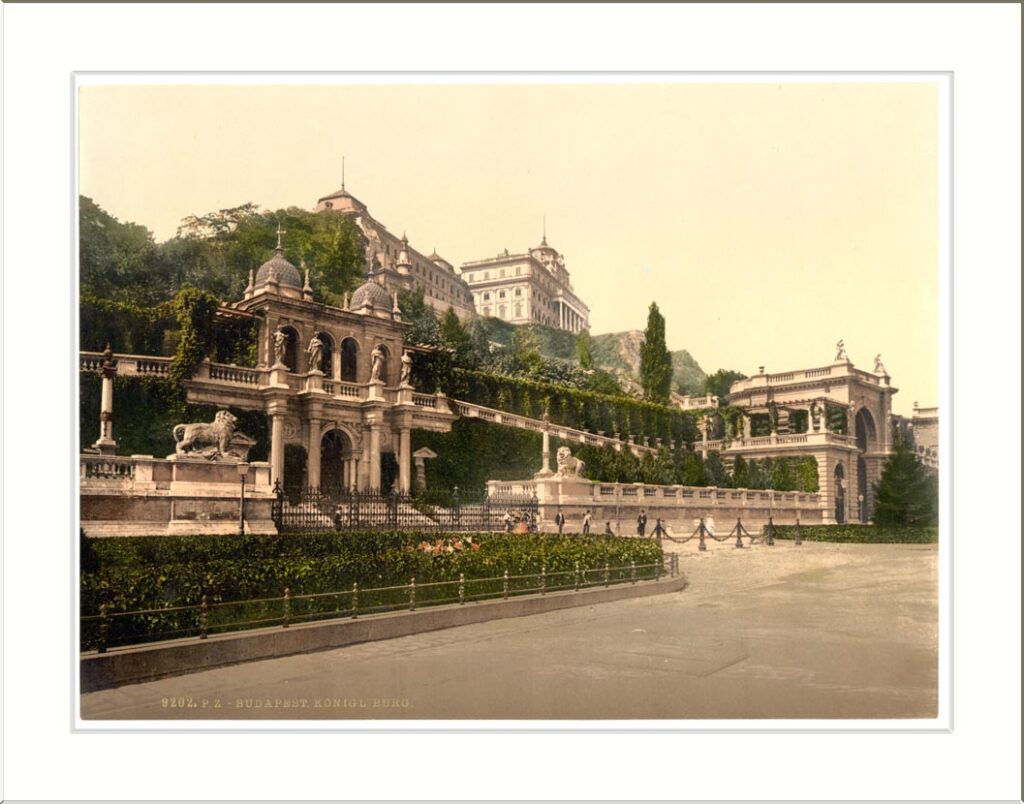

Budapest was born in 1873, when Buda, Óbuda and Pest were joined into one city. As the second capital of Austria-Hungary it boomed: in 1896 it celebrated a thousand years of Hungary with new boulevards, the Millennium Underground and a building rush that lasted until the First World War.
The architect Ödön Lechner set out to create a Hungarian style, mixing Art Nouveau with folk art and Eastern patterns, and covering his buildings in frost-proof ceramics from the Zsolnay works in Pécs. His followers filled the city with what became known as the Hungarian Secession. The banks of the Danube, the Castle Quarter and Andrássy Avenue are listed together as a UNESCO World Heritage Site.
Where to stay
- District V (Belváros and Lipótváros): the heart of Pest, by the Danube, the Parliament and the Chain Bridge.
- Districts VI and VII: Andrássy Avenue, the Opera and the old Jewish Quarter with its cafés and bars; lively at night.
- The Castle District (Buda): quiet cobbled streets and views over the river.
- The Palace Quarter (District VIII): grand town houses behind the National Museum, with good-value hotels.
Stays
Compare places to stay in Budapest
Opening soon
Secession and Belle Époque Budapest
Gresham Palace
An office and apartment building of 1906 on the square by the Chain Bridge, with peacock gates and a glass-roofed arcade. It is now a luxury hotel; the lobby and the facade are the highlights.
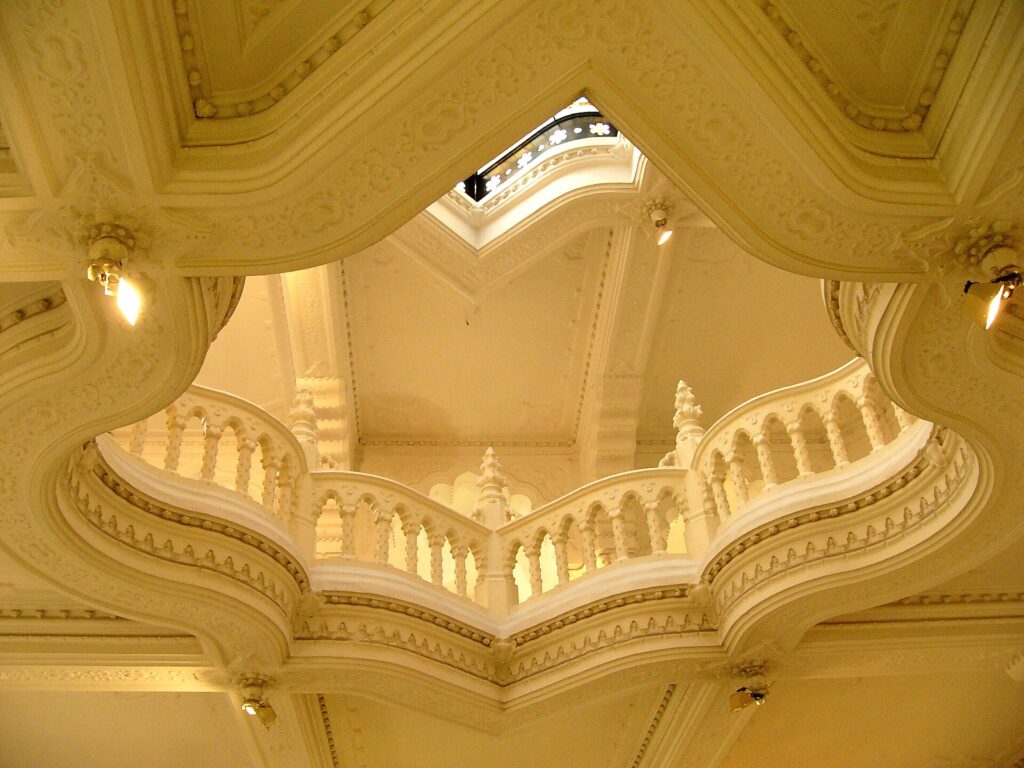

The Museum of Applied Arts
Lechner’s masterpiece of 1896, with a green and gold Zsolnay roof and a white Moorish hall. It has been closed for a long renovation since 2017, but the roof and the entrance on Üllői út can be admired from the street.
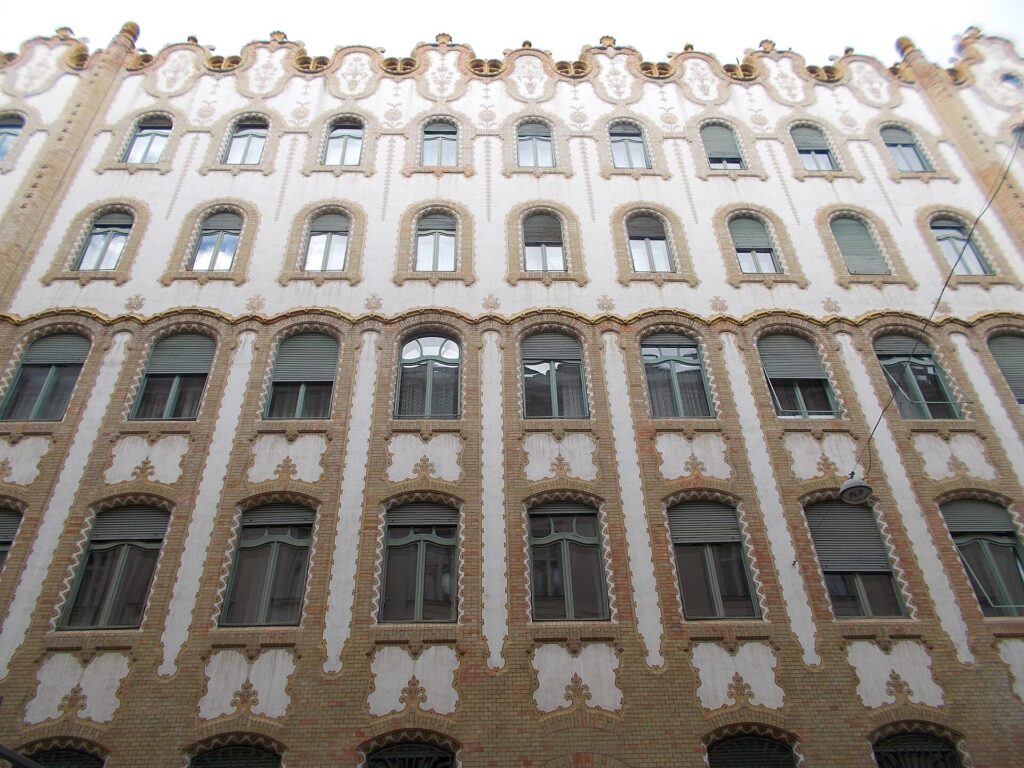

The former Postal Savings Bank
Lechner again, in 1901: a facade of folk-art patterns and a roof of coloured tiles, with ceramic bees climbing towards the beehives on top, a symbol of saving. Seen from the street only.
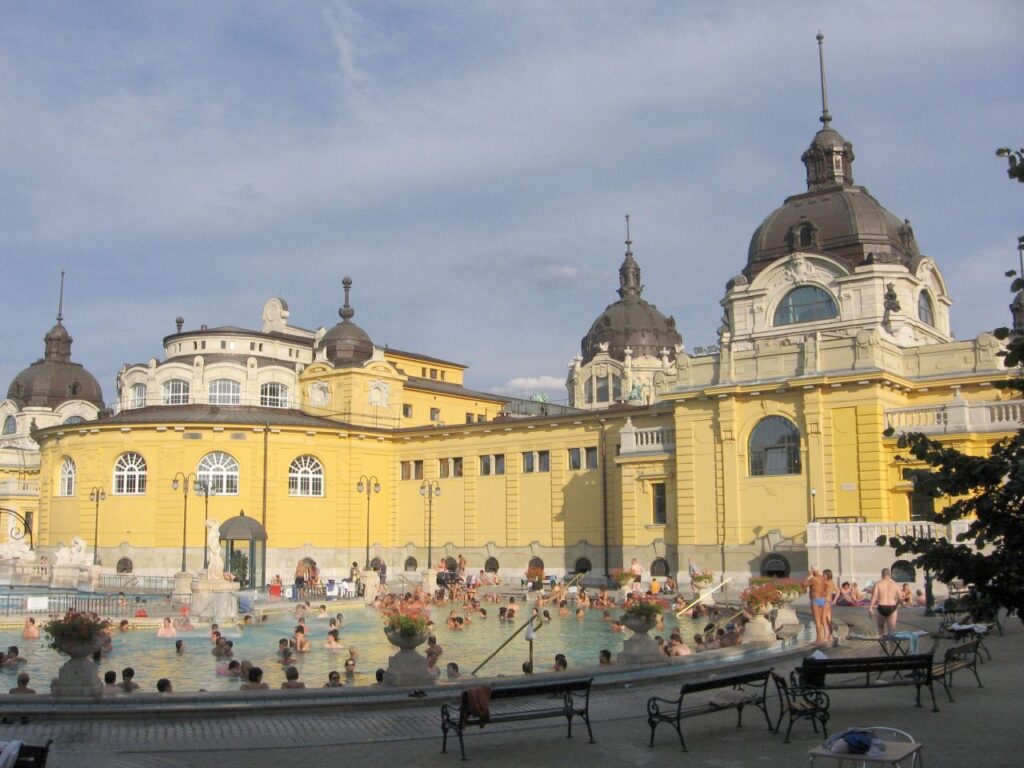

The thermal baths
The Széchenyi Baths of 1913, with their warm outdoor pools, are open all year. The Art Nouveau Gellért Baths of 1918 are closed for renovation, with reopening reported for around 2028; the Rudas Baths are a good alternative on the Buda side.
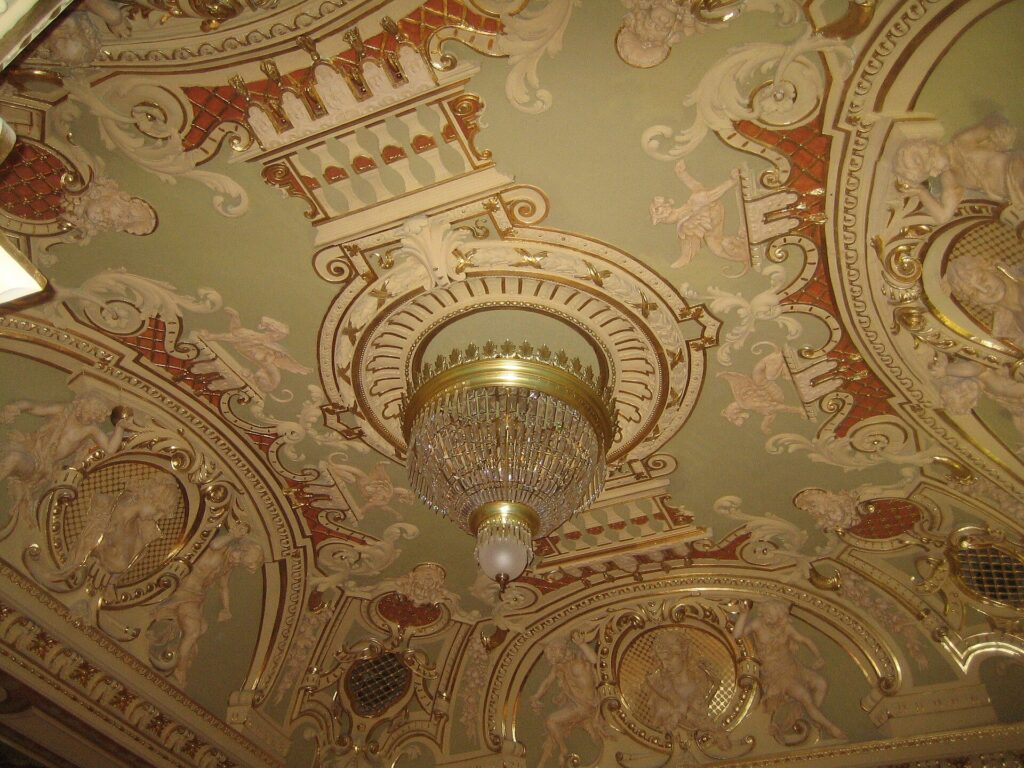

The New York Café
Opened in 1894 and once the meeting place of writers and editors, it is now one of the most lavish cafés in the world, all gilding, marble and painted ceilings. Expect a queue, or come for breakfast.
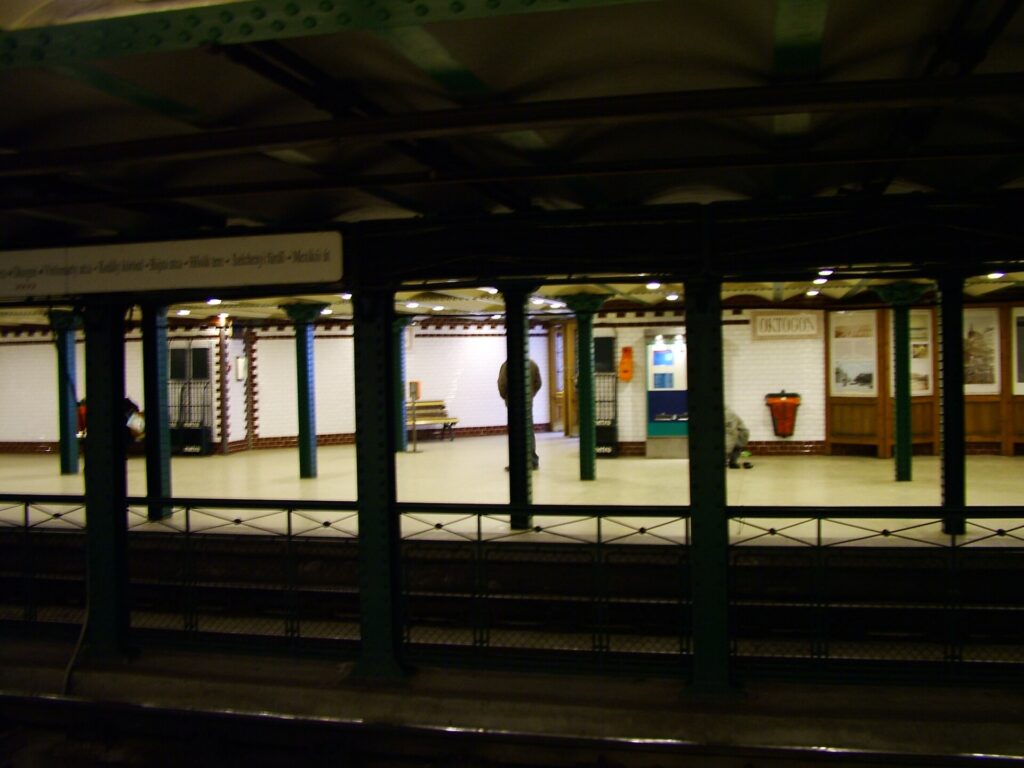

The Millennium Underground
Line M1, opened in 1896, is the oldest underground railway on the European continent. Ride it under Andrássy Avenue past tiled stations and wooden ticket booths, from Vörösmarty tér out to City Park.
The Liszt Academy
The music academy of 1907 has one of the finest Art Nouveau concert halls anywhere, with gilded leaves, mosaics and stained glass. Book a concert or a guided tour.
Tours and activities
Compare tours and activities in Budapest
Opening soon
Getting there and getting around
Arriving
- By air: the 100E airport bus runs to Deák Ferenc tér in the centre in about 35 to 45 minutes, depending on traffic; taxis use a fixed system at the airport.
- By train: direct trains from Vienna take about 2 hours 40 minutes; night trains connect Budapest with Munich, Zurich and Prague.
Flights
Compare flights to Budapest
Opening soon
Around the city
- Metro, trams and buses (BKK): tram 2 along the Pest bank of the Danube is one of the most scenic rides in Europe.
- On foot for the centre of Pest, and by bus up to Castle Hill.
- Car hire is not needed in the city, but useful for the Danube Bend, the Tokaj wine region and Lake Balaton.
Car hire
Compare car hire in Hungary
Opening soon
Staying connected
Visitors with an EU phone plan can roam at home prices. Others, including many UK plans, may pay extra, so an eSIM with a data allowance is a simple alternative.
eSIMs
Compare eSIMs for Hungary
Opening soon
Before you go
- Entry rules: EU and EEA citizens only need a valid ID card or passport. Many other nationalities, including British, American, Canadian and Australian citizens, can visit the Schengen area visa-free for up to 90 days in any 180-day period. At the border, the EU’s Entry/Exit System registers non-EU visitors with fingerprints and a photo. ETIAS, an online travel authorisation, is expected to start in 2027 and is not needed yet. Always check the latest official advice, for example GOV.UK travel advice for Hungary, or your own government’s.
- Make it a journey: combine this city with its neighbours on our Hungarian Art Nouveau by train route.
- The baths: bring swimwear and flip-flops; most baths have mixed pools, and towels and lockers can be hired.
- Tipping: 10 to 15% in restaurants, unless a service charge is already on the bill.
Travel Emporium compares offers from trusted travel providers. When you book, you book and pay directly with the provider shown. Some links earn us a commission, at no extra cost to you. How we work