
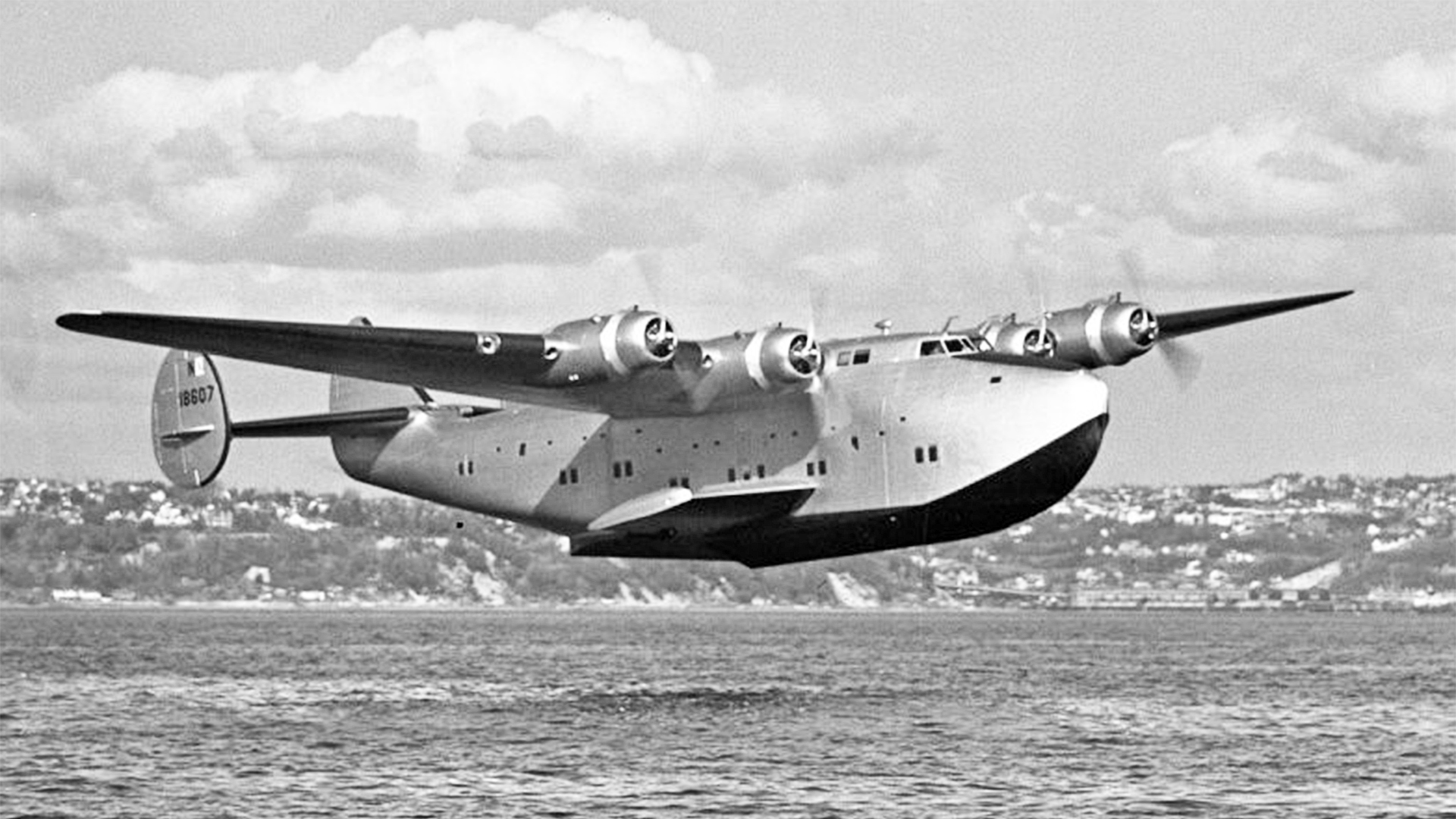

In the 1930s the fastest way to cross an ocean was in a flying boat. Passengers boarded by launch, took their seats in a cabin with a promenade deck and ate dinner at tables laid with linen, and every night the aircraft came down on a harbour, a river or a lagoon. The era lasted barely twenty years, but it is where Travel Emporium’s own flying-boat logo comes from, and you can still see the great boats, and fly in their small successors, today.
Facts checked: November 2026.
The flying boats at a glance
- When: from the mid-1930s to the 1950s, until long runways and land planes took over.
- The great routes: Southampton to Sydney and to Africa with Imperial Airways and Qantas, and Pan American’s Clippers across the Pacific and the Atlantic.
- Where to see them: the Foynes Flying Boat Museum in Ireland and Solent Sky in Southampton.
- Where to fly on water today: seaplanes in the Maldives, in Vancouver and from Rose Bay in Sydney.
- Combine it: the flying-boat route to Australia ran through Singapore to Sydney; see our guides to both.
Then: the ocean liners of the sky
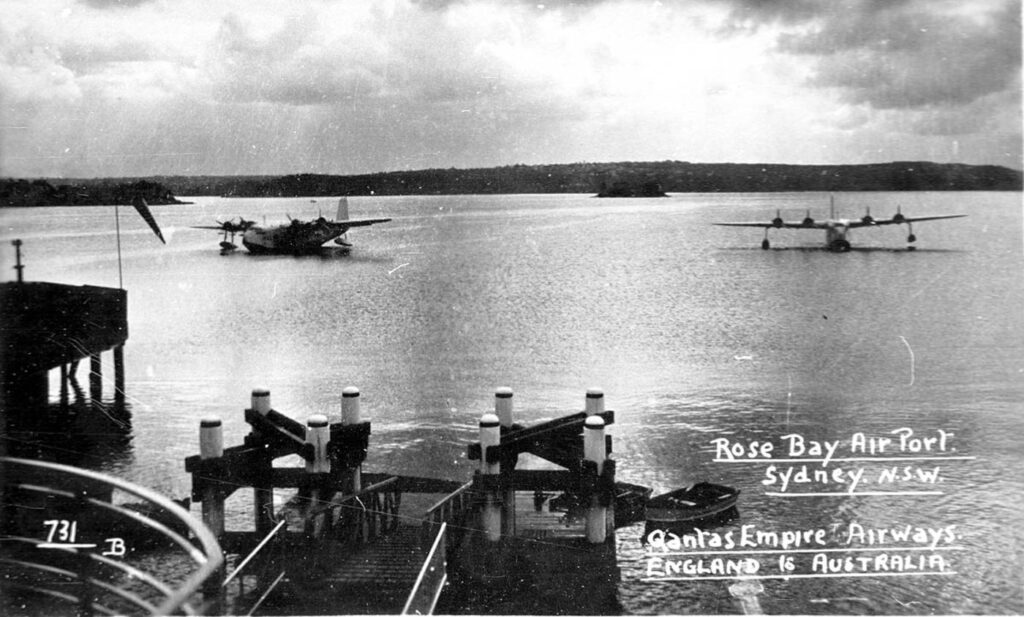

Imperial Airways ordered the Short Empire flying boats in the mid-1930s to fly the mail, and passengers, across the British Empire. From 1938 Qantas Empire Airways flew them from Rose Bay in Sydney Harbour: the trip to Southampton took about ten days, with nine overnight stops between Australia and England, against more than forty days by sea.
Across the Pacific, Pan American’s Clippers flew from San Francisco to Honolulu, Manila and Hong Kong, island by island. In 1939 the great Boeing 314 Clippers began passenger flights across the Atlantic, landing on the Shannon at Foynes in Ireland. After the Second World War new airfields and faster land planes ended the era; Rose Bay closed to the last flying boat service in 1974.
The great routes
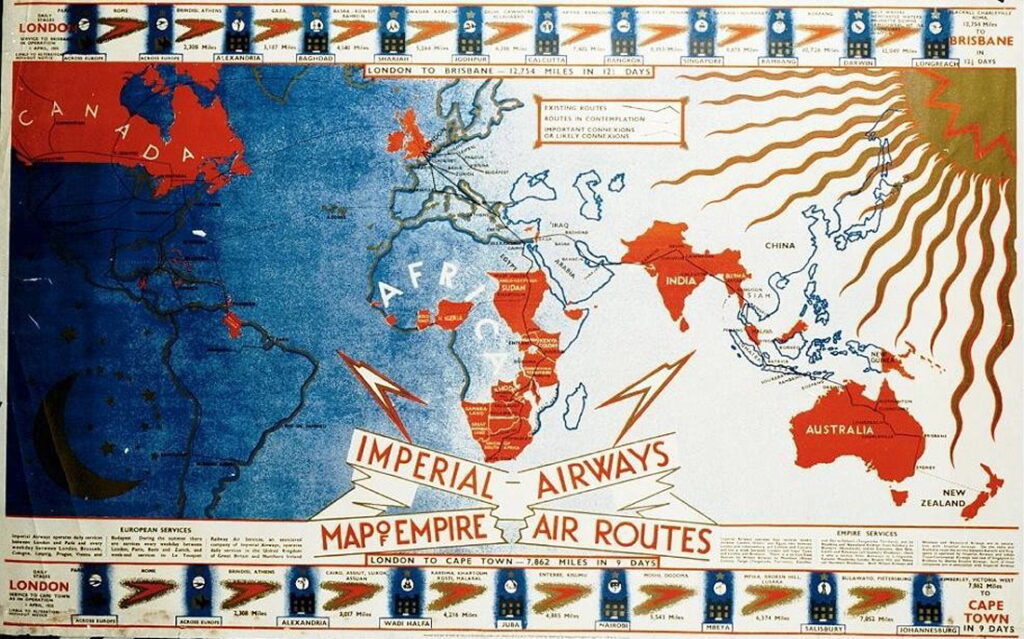

To Africa and the East
Imperial Airways posters promised Cairo, Khartoum, Kisumu and Durban by air. Flying boats followed the Nile and the lakes of East Africa, landing on water all the way.
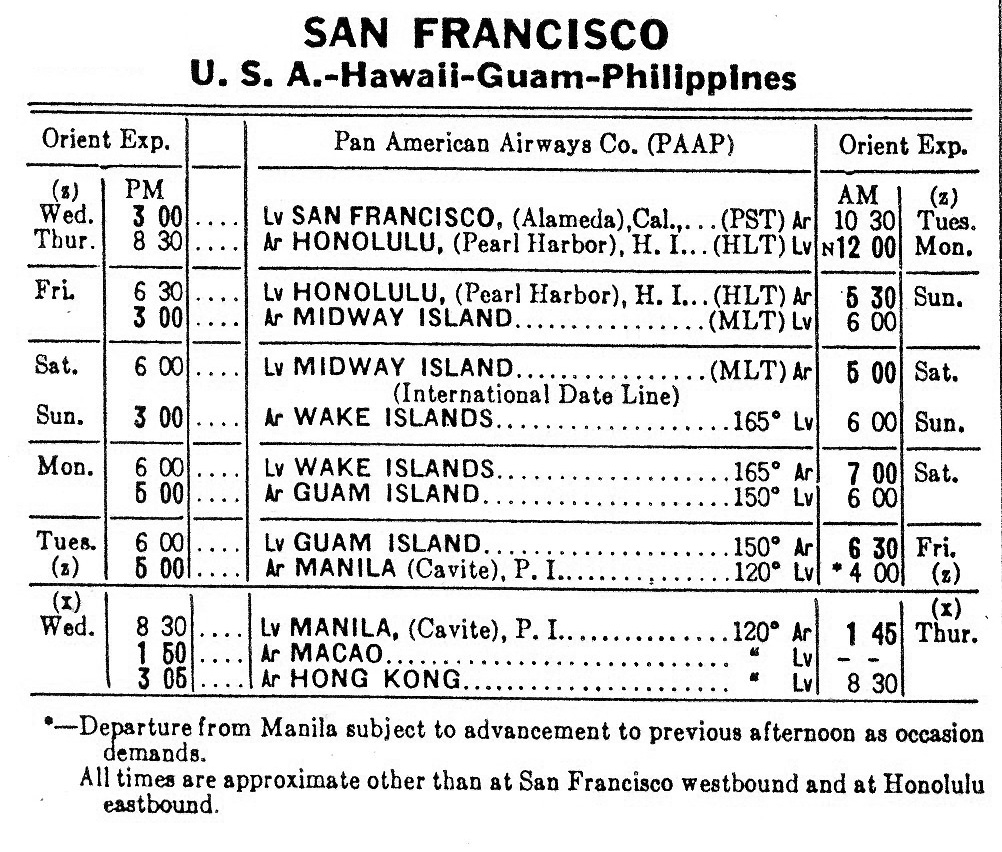

Across the Pacific
Pan American’s Clippers hopped from San Francisco to Honolulu, Midway, Wake and Guam to reach Manila and Hong Kong, with passengers sleeping in hotels built for them on the islands.
Across the Atlantic
The Boeing 314 was the largest airliner of its day, with a dining room and sleeping berths. On the northern route it stopped at Foynes, on Ireland’s Shannon estuary, where tired passengers were warmed with a new drink: Irish coffee.
Where to see them today
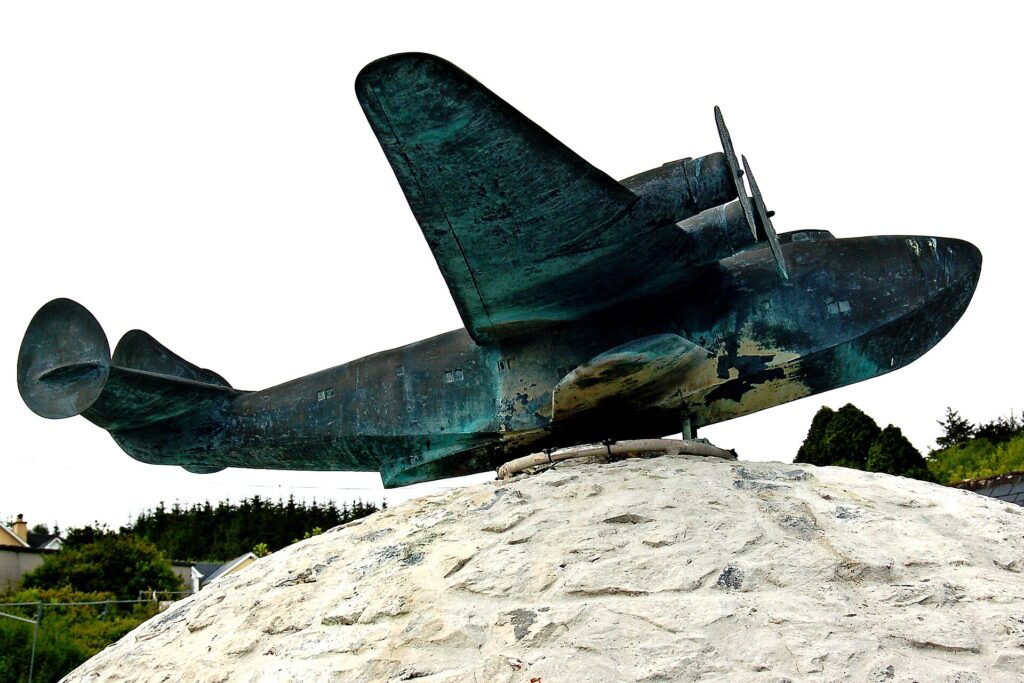

Foynes Flying Boat Museum, Ireland
In the old terminal at Foynes you can board a life-size replica of the Boeing 314, see the radio room and the 1940s cinema, and toast the place where Irish coffee was first served in 1943.
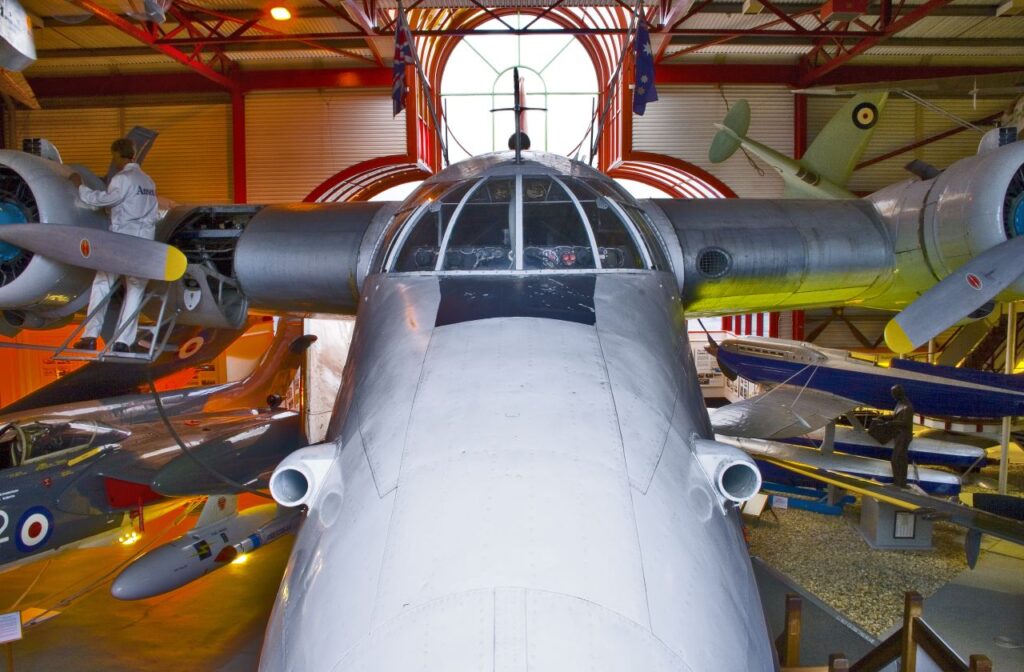

Solent Sky, Southampton
Southampton was Britain’s flying boat port. Its aviation museum keeps a Short Sandringham, Beachcomber, a later flying boat that flew in Australia, and visitors can step inside its two decks.
Rose Bay, Sydney
The old flying boat base in Sydney Harbour still has seaplanes. Scenic flights over the harbour and the beaches leave from Rose Bay, and some land for lunch on the water.
Tours and activities
Compare seaplane flights and tours
Opening soon
Fly on water today
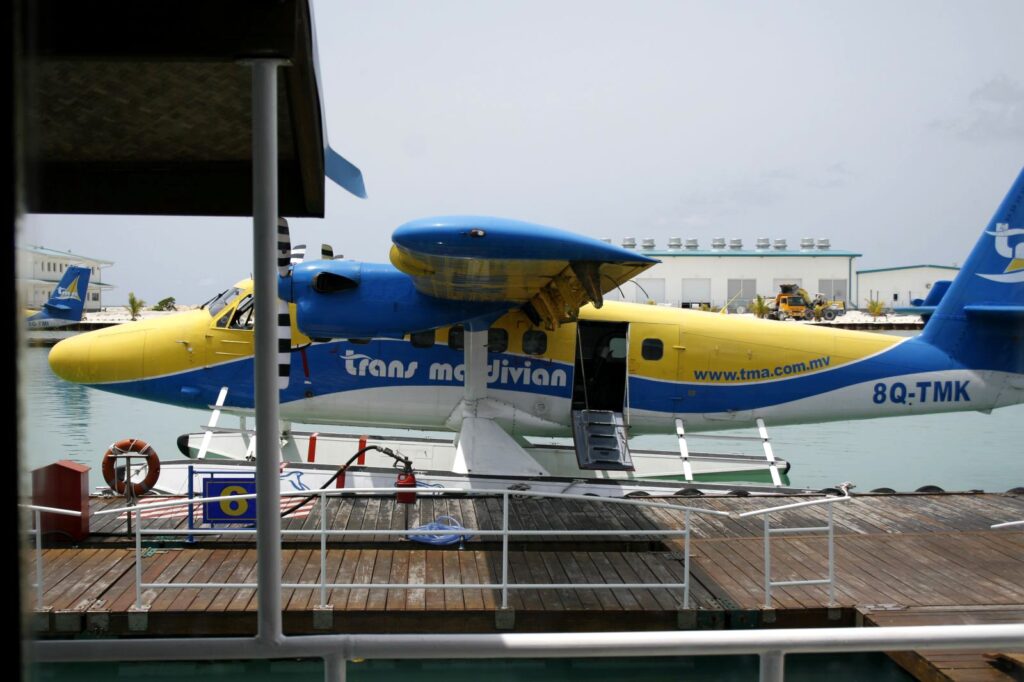

The Maldives
Seaplanes are the taxis of the Maldives, carrying guests from the airport near Malé to resort islands across the atolls, with views of the reefs on the way.
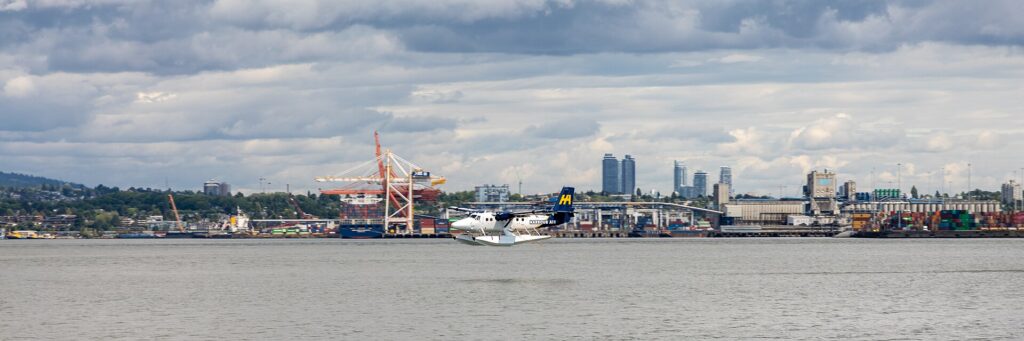

Vancouver
Floatplanes take off from the harbour in the city centre for Victoria on Vancouver Island, the Gulf Islands and the coast, a short flight with mountains on one side and the sea on the other.
Stays
Compare places to stay in the Maldives
Opening soon
Travel Emporium compares offers from trusted travel providers. When you book, you book and pay directly with the provider shown. Some links earn us a commission, at no extra cost to you. How we work