

Reims is famous for two things: its cathedral, where the kings of France were crowned, and champagne, which ages in chalk cellars beneath the city. Less well known is that Reims is one of the great Art Deco cities of France. Shelled almost to ruins in the First World War, it was rebuilt in the 1920s, and its library, market hall, shopfronts and apartment houses still carry the clean lines and stylised flowers of the period. It is only 45 minutes from Paris by train.
Facts checked: November 2026.
Reims at a glance
- Best time to go: April to October; September and early October for the grape harvest in the vineyards around the city.
- How long to stay: one or two days, or a long day trip from Paris.
- Getting there: high-speed trains from Paris Gare de l’Est in about 45 minutes.
- Money: euro (EUR). Cards are accepted almost everywhere.
- Entry: France is in the EU and the Schengen area. Many non-EU visitors, including British, American, Canadian and Australian citizens, can visit visa-free for up to 90 days in any 180-day period. See Before you go below.
Then: destroyed and rebuilt
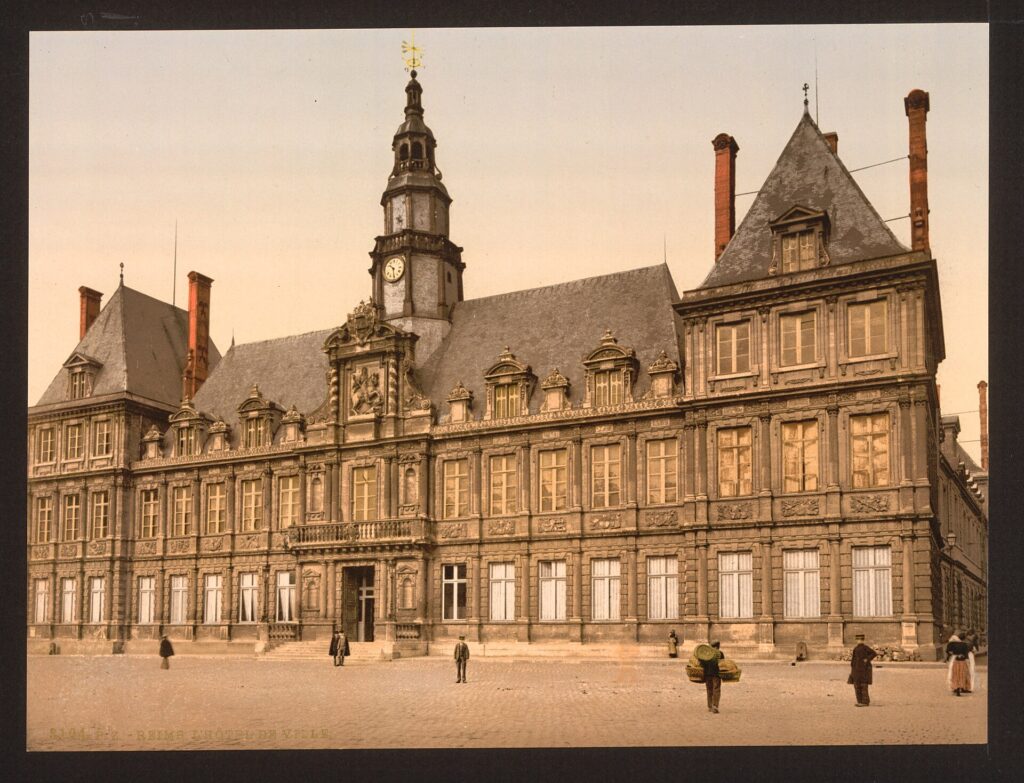

Before 1914 Reims was a prosperous city of wool and champagne. During the First World War it lay close to the front line for four years, and German shelling destroyed most of its buildings and badly damaged the cathedral.
In the 1920s the city was rebuilt with help from France and abroad. American donors, among them the Carnegie Endowment and the Rockefeller family, helped restore the cathedral and build a new library. Architects of the day gave the new Reims the Art Deco look of the time, from great public buildings to the smallest shopfronts.
Where to stay
- The city centre: around the cathedral, the Place d’Erlon and the Boulingrin market.
- Near the champagne houses: on the hill of Saint-Nicaise, a short way from the centre, among the houses with cellars to visit.
- In the vineyards: village hotels and guest houses on the Montagne de Reims, for a quieter stay.
Stays
Compare places to stay in Reims
Opening soon
Art Deco and heritage Reims
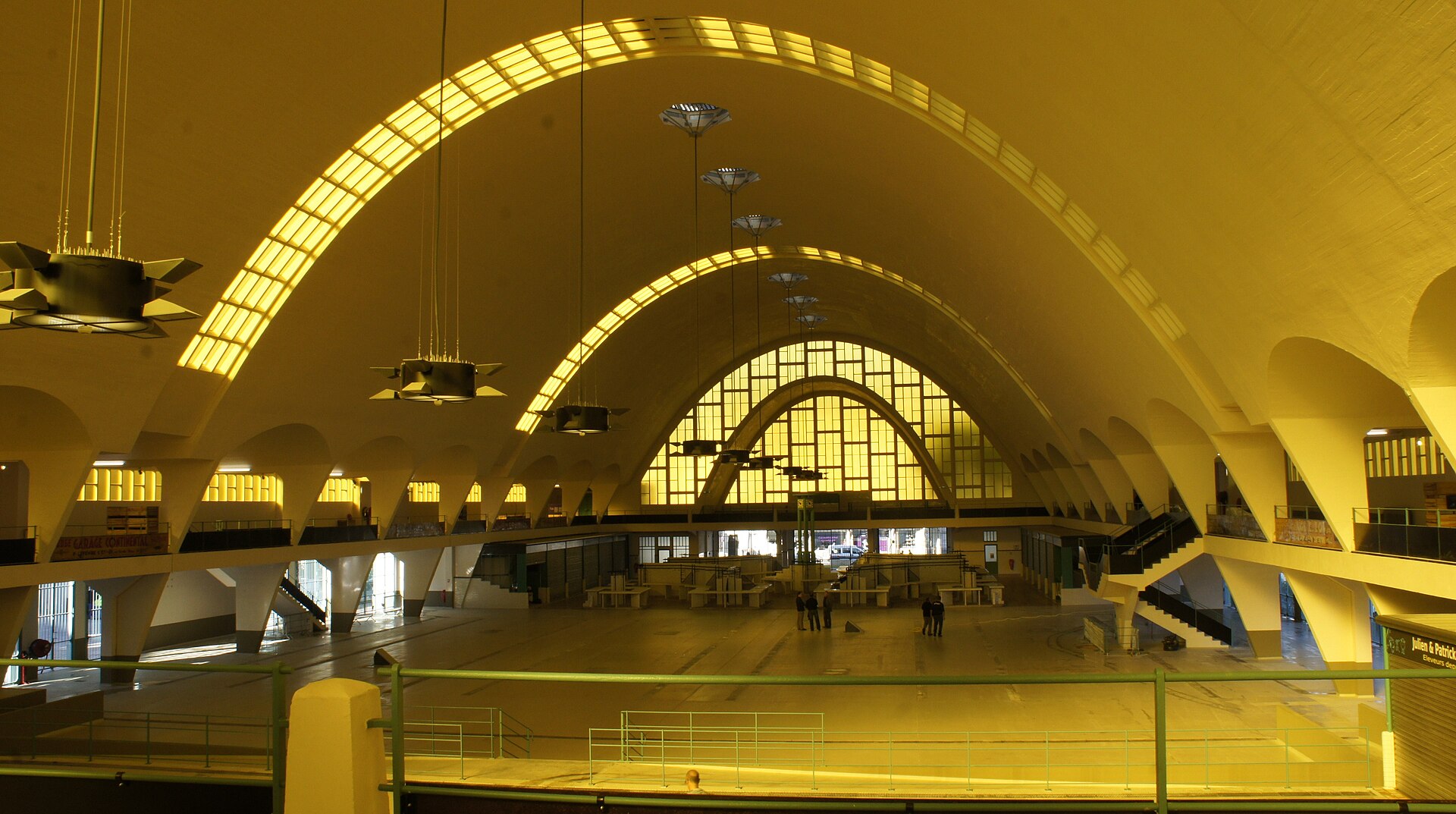
The Halles du Boulingrin
The market hall of 1929, with its great concrete vault, was restored and reopened as a food market. Come on a market morning for cheese, bread and champagne biscuits.
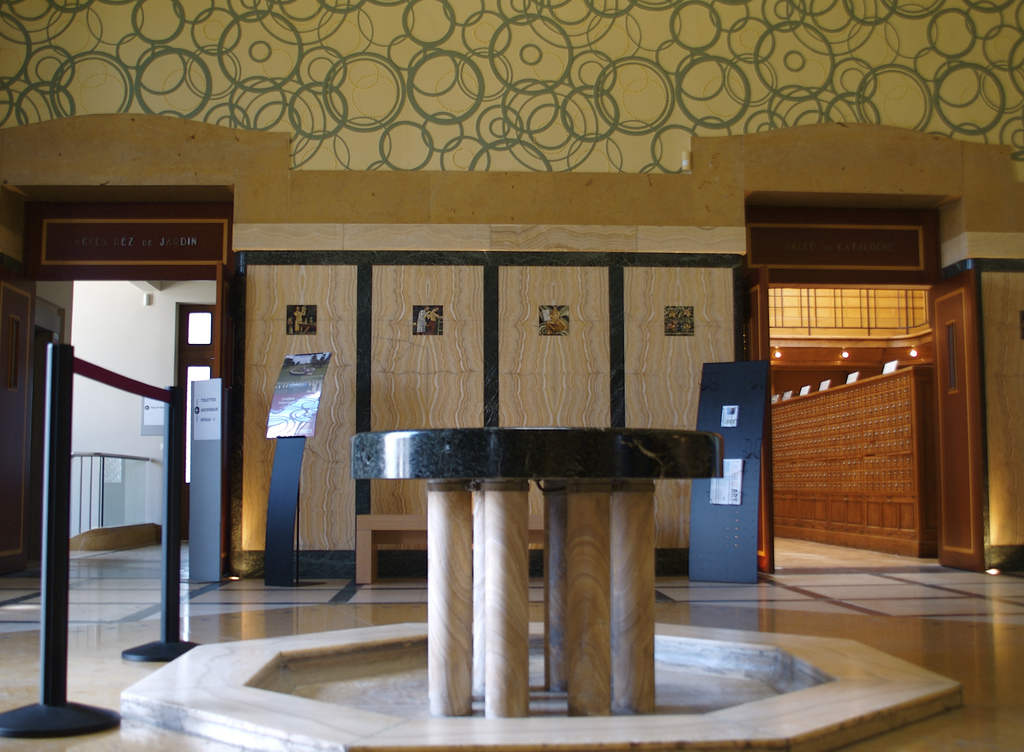

The Carnegie Library
A library of 1928 paid for by the Carnegie Endowment for International Peace, with an Art Deco entrance hall of mosaic, stained glass and a fine chandelier.
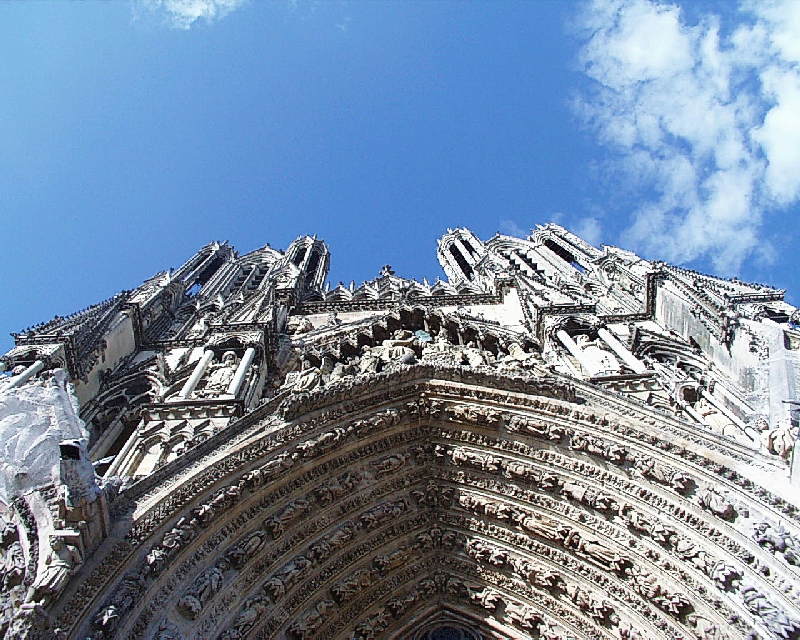

The cathedral
The Gothic cathedral where the kings of France were crowned, with its famous smiling angel and windows by Marc Chagall. Together with the former Saint-Remi abbey and the Palace of Tau, it is a UNESCO World Heritage Site.
The champagne houses
The champagne houses and their cellars, cut into the chalk, are part of the UNESCO-listed Champagne hillsides, houses and cellars. Many offer tours and tastings; book ahead.
Tours and activities
Compare tours and activities in Reims
Opening soon
Getting there and getting around
Arriving
- By train: high-speed trains from Paris Gare de l’Est arrive at Reims station, close to the centre; other high-speed trains link Paris airport (CDG) with the Champagne-Ardenne TGV station outside the city.
- By air: fly to Paris and continue by train.
Flights
Compare flights to Paris
Opening soon
Around the city
- On foot in the centre, and by tram and bus for the rest.
- Car hire is useful for the champagne route through the vineyards and villages; if you are tasting, choose a driver or take a tour.
Car hire
Compare car hire in France
Opening soon
Staying connected
Visitors with an EU phone plan can roam at home prices. Others, including many UK plans, may pay extra, so an eSIM with a data allowance is a simple alternative.
eSIMs
Compare eSIMs for France
Opening soon
Before you go
- Entry rules: EU and EEA citizens only need a valid ID card or passport. Many other nationalities, including British, American, Canadian and Australian citizens, can visit the Schengen area visa-free for up to 90 days in any 180-day period. At the border, the EU’s Entry/Exit System registers non-EU visitors with fingerprints and a photo. ETIAS, an online travel authorisation, is expected to start in 2027 and is not needed yet. Always check the latest official advice, for example GOV.UK travel advice for France, or your own government’s.
- Cellar tours: cellars are cool all year round; bring a jacket.
- Opening days: many museums close on Mondays or Tuesdays.
- Combine it: Paris is about 45 minutes away by TGV, and Art Deco Lille and Art Nouveau Nancy are a short train ride further.
Travel Emporium compares offers from trusted travel providers. When you book, you book and pay directly with the provider shown. Some links earn us a commission, at no extra cost to you. How we work