

Melbourne grew rich in the gold rush of the 1850s and spent the next eighty years building one of the grandest Victorian and Edwardian cities in the world. Then, in the 1920s and 1930s, it added Art Deco: a Gothic-Deco tower on Collins Street, a theatre with a crystal ceiling and streamlined flats in the leafy suburbs. Today its laneways, arcades, cafés and trams make it one of the most enjoyable cities in Australia to explore on foot.
Facts checked: November 2026.
Melbourne at a glance
- Best time to go: March to May and September to November, when the weather is mild; summer can be hot, and the weather changes quickly all year.
- How long to stay: four or five days, with day trips to the Great Ocean Road or the Yarra Valley.
- Getting there: Melbourne Airport (MEL) at Tullamarine has flights from across Australia, Asia and beyond; the SkyBus runs to Southern Cross station.
- Money: Australian dollar (AUD). Cards are accepted almost everywhere, and many places are cashless.
- Entry: all visitors except New Zealanders need a visa or an electronic travel authority before they travel. See Before you go below.
Then: Marvellous Melbourne
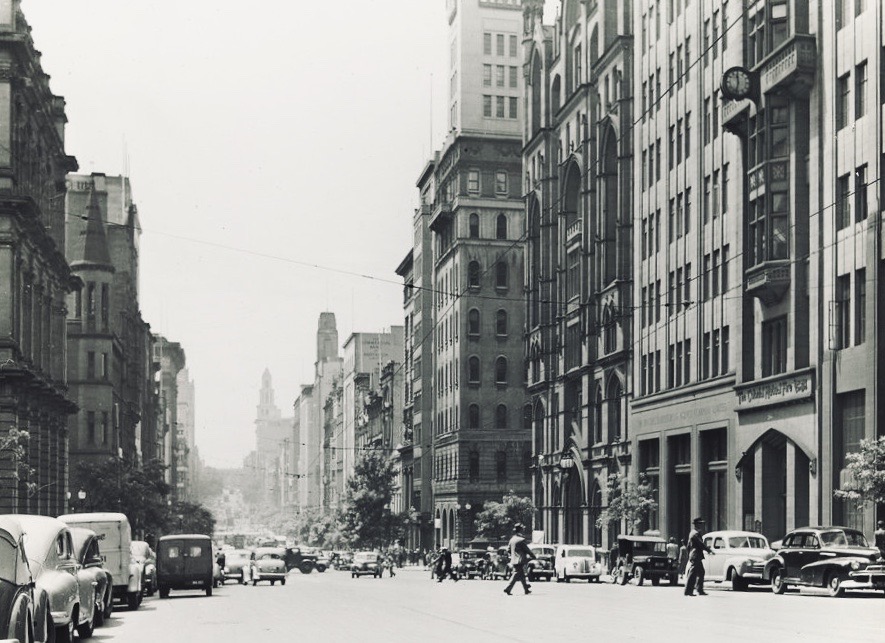

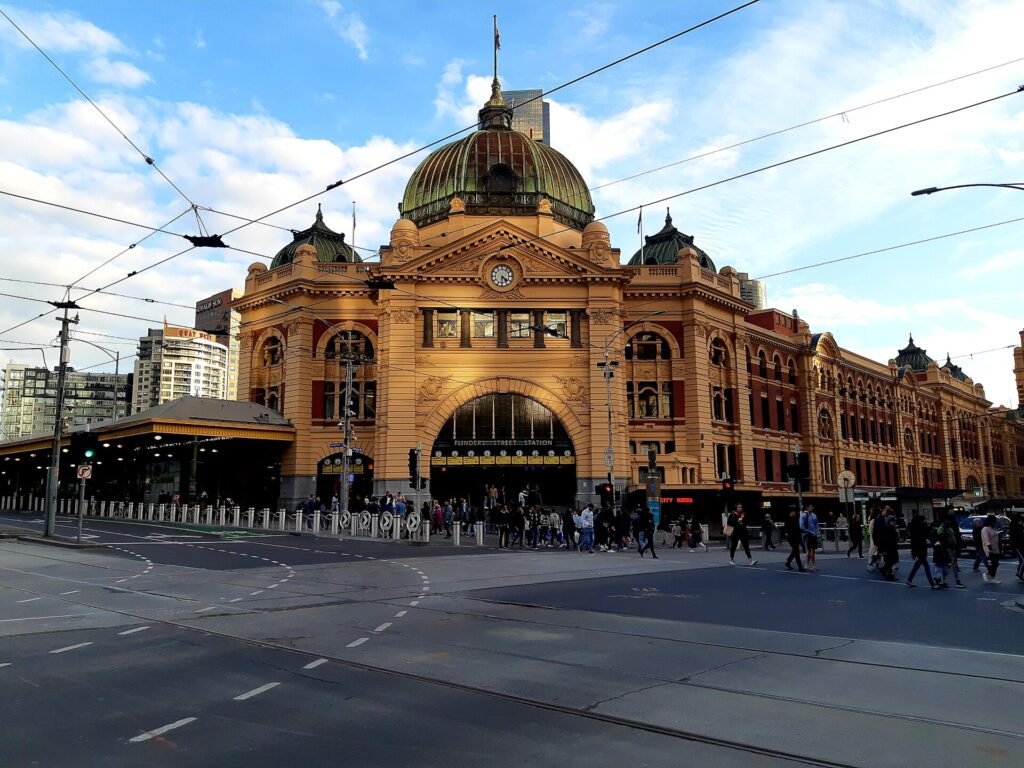
After the gold rush, Melbourne was for a time one of the richest cities in the world, and visitors called it Marvellous Melbourne. Its builders gave it covered arcades, banks like palaces and, in 1910, the domed Flinders Street Station.
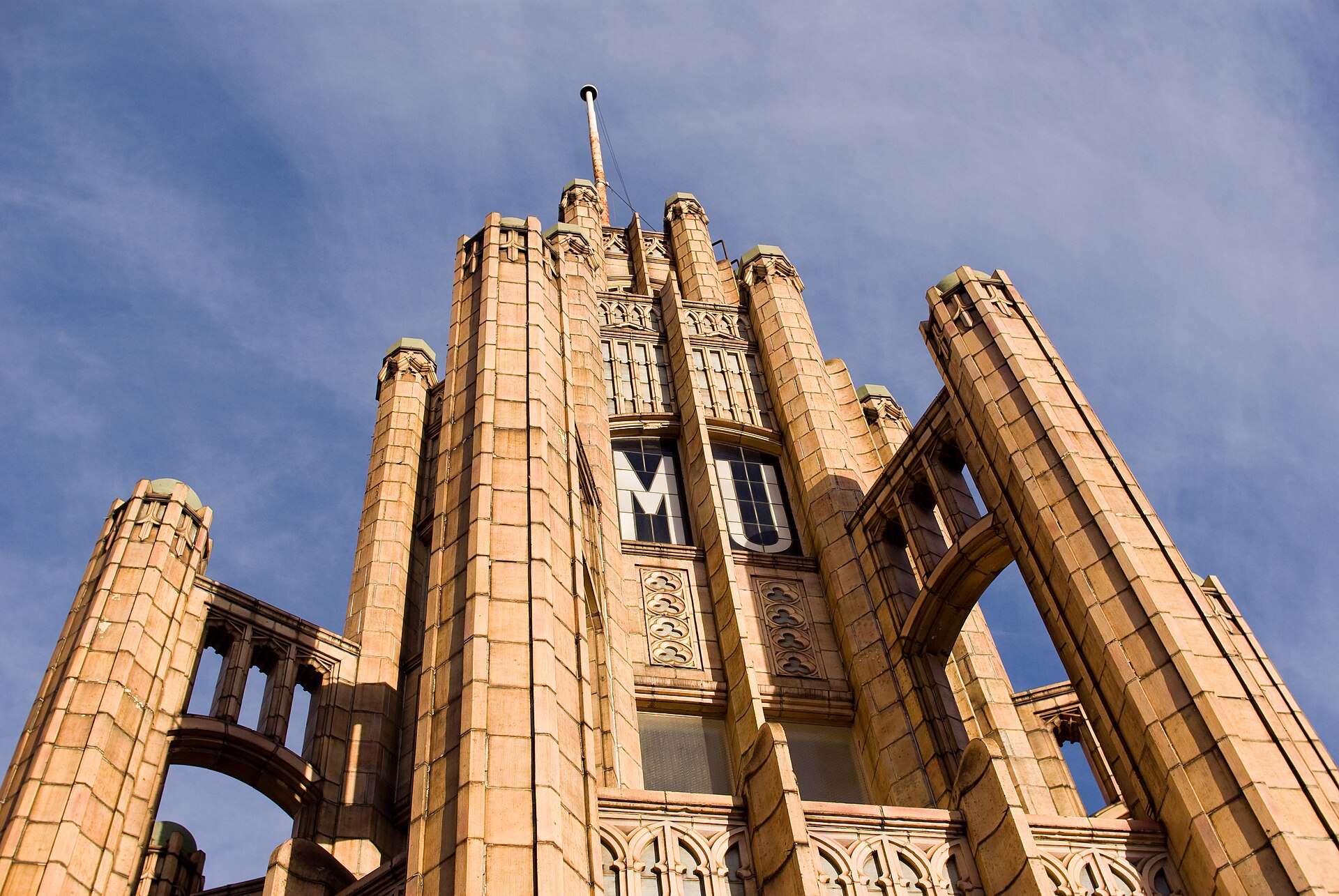
Between the wars the style changed again. In 1932 the architect Marcus Barlow finished the Manchester Unity Building on the corner of Collins and Swanston streets, with its soaring Gothic-Deco tower, and Walter Burley Griffin and Marion Mahony Griffin, the architects of Canberra, had already built the Capitol Theatre with its glowing crystal ceiling.
Where to stay
- The CBD: central hotels close to the laneways, arcades and the free tram zone.
- Southbank: riverside hotels near the arts precinct and the casino.
- St Kilda and Fitzroy: St Kilda by the bay, with Art Deco flats and the pier; Fitzroy for cafés, bars and vintage shops.
Stays
Compare places to stay in Melbourne
Opening soon
Art Deco and heritage Melbourne
The Manchester Unity Building
Barlow’s tower of 1932 at the heart of the city, with a marble and bronze lobby. Tours are offered on some days; check before you go, or admire the lobby and the tower from the street.

Flinders Street Station
The yellow domed station of 1910 at the end of Swanston Street, the city’s best-known meeting point under the clocks.

The arcades and laneways
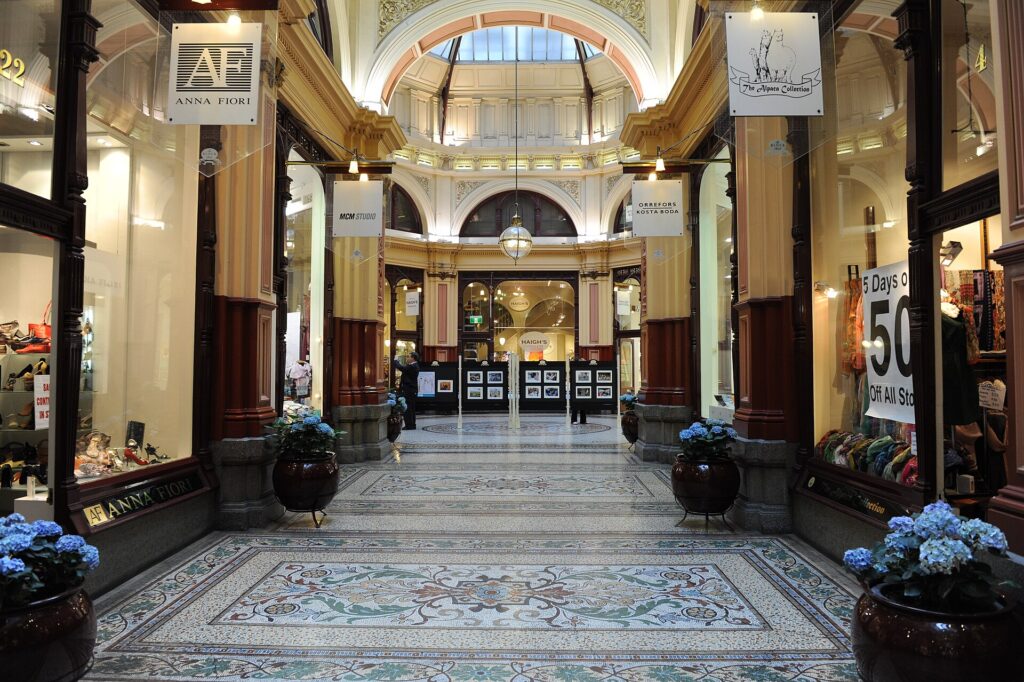
The Block Arcade of 1892, with its mosaic floor and glass roof, and the Royal Arcade lead into narrow laneways full of cafés and street art.
The Capitol Theatre and the trams
The Capitol on Swanston Street, with its crystal ceiling, is used for films, talks and events; check the programme. Then ride the free City Circle tram, run by heritage trams, around the centre.
Tours and activities
Compare tours and activities in Melbourne
Opening soon
Getting there and getting around
Arriving
- By air: Melbourne Airport (MEL) at Tullamarine; the SkyBus runs to Southern Cross station about every ten minutes for much of the day.
- By train: long-distance trains from Sydney and Adelaide arrive at Southern Cross station.
Flights
Compare flights to Melbourne
Opening soon
Around the city
- By tram: trams are free within the central zone; beyond it you need a myki card or the current ticket option.
- On foot for the CBD, the laneways and Southbank.
- Car hire is useful for the Great Ocean Road, the Yarra Valley and the Mornington Peninsula.
Car hire
Compare car hire in Australia
Opening soon
Staying connected
Many foreign phone plans charge extra in Australia, so an eSIM with a data allowance is a simple way to stay online.
eSIMs
Compare eSIMs for Australia
Opening soon
Before you go
- Entry rules: all visitors except New Zealanders need permission to enter Australia before they travel. Many visitors, including British and most EU citizens, can apply online for an eVisitor visa, and Americans and Canadians for an Electronic Travel Authority. Always check the latest official advice, for example GOV.UK travel advice for Australia, or your own government’s.
- Weather: pack layers; Melbourne is famous for four seasons in one day.
- Combine it: for more Art Deco down under, see our Sydney guide, and across the Tasman Sea, our Napier guide.
Travel Emporium compares offers from trusted travel providers. When you book, you book and pay directly with the provider shown. Some links earn us a commission, at no extra cost to you. How we work