
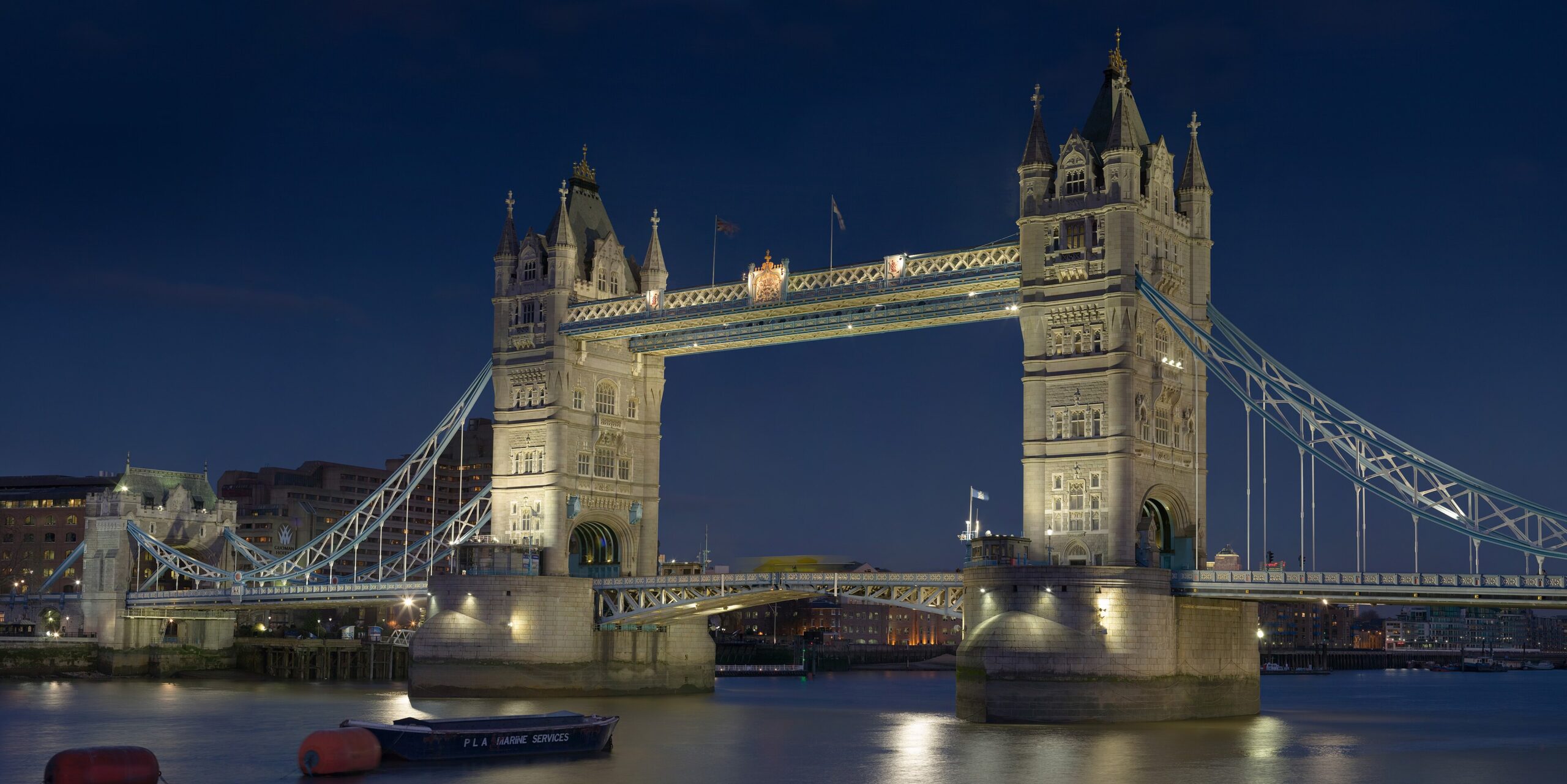

London’s world-class museums and theatres, Roman Bath, the white cliffs and chalk downs of Sussex, the Highlands of Scotland and the green valleys of Wales. The UK packs huge variety into a small space, and trains connect almost everywhere.
Facts checked: October 2026.
The United Kingdom at a glance
- Best time to go: May to September for the longest days and the best chance of good weather.
- How long to stay: four or five days for London, a week or two to add Bath, the coast or Scotland.
- Main airports: London Heathrow (LHR), Gatwick (LGW), Stansted, Luton and City, plus Manchester, Edinburgh and Birmingham.
- Money: pound sterling (GBP). Contactless card payment is accepted almost everywhere, including buses and the Underground.
- Entry: most visitors who do not need a visa, including EU, American, Canadian and Australian citizens, now need an Electronic Travel Authorisation (ETA) before they travel. See Before you go below.
When to go

- Spring (March to May): bluebell woods, blossom and gardens coming into flower.
- Summer (June to August): long evenings (light until after 21:00), festivals such as the Edinburgh Festival in August, and the busiest season.
- Autumn (September to November): autumn colours in the countryside, quieter towns and good walking weather.
- Winter (December to February): short days, but Christmas lights, markets and cosy pubs; Hogmanay (New Year) in Edinburgh.
Where to go and where to stay

- London: stay in the West End, South Bank or Kensington to be close to the sights; areas such as King’s Cross or Paddington are handy for trains. For the city’s 1930s buildings, see our Art Deco London guide.
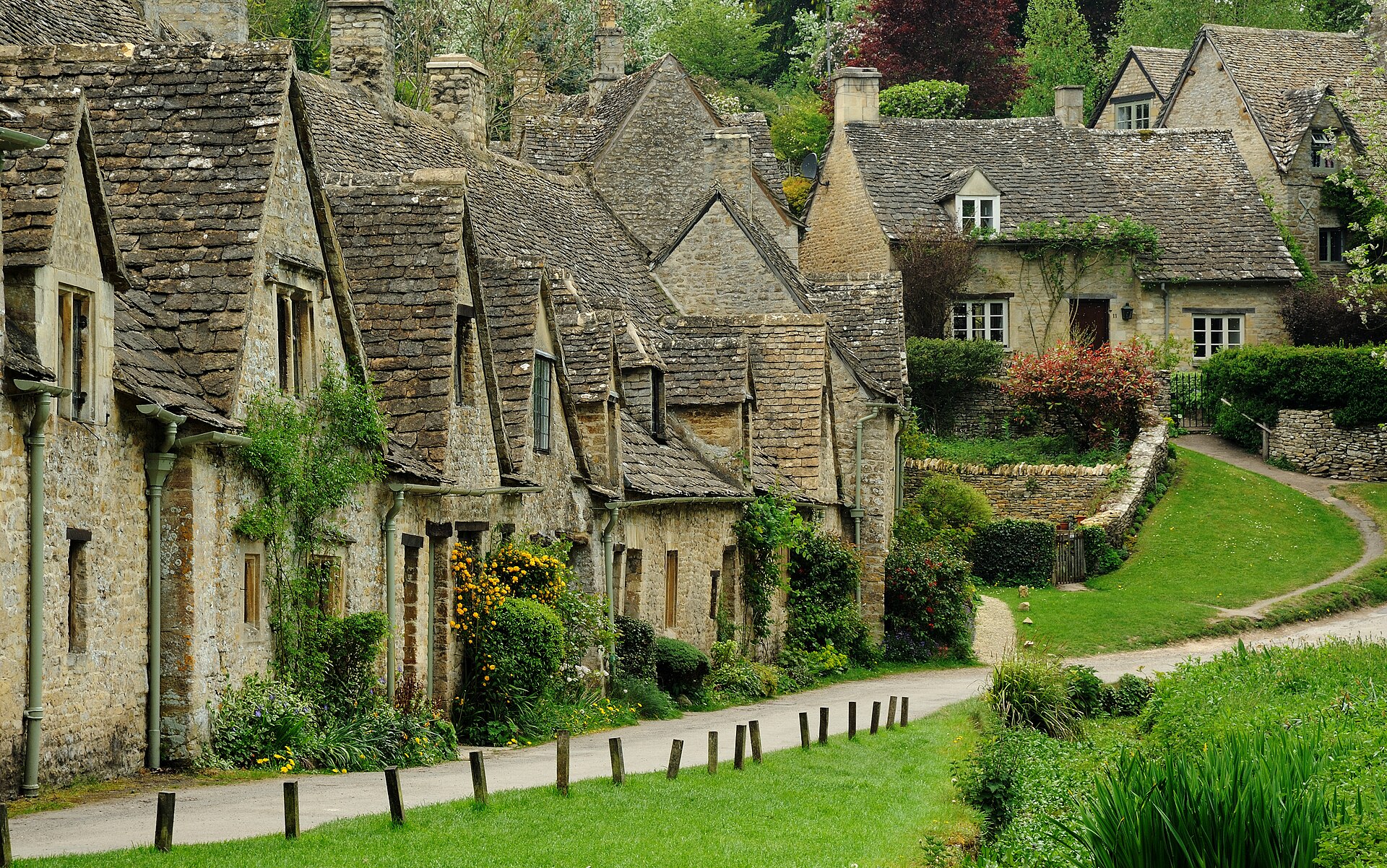
- Bath and the Cotswolds: Roman baths, Georgian crescents and honey-stone villages.
- Brighton and Sussex: a lively seaside city an hour from London, with the Royal Pavilion and the pier, close to the South Downs and the white cliffs of the Seven Sisters. Further along the coast, see our Bexhill-on-Sea guide for the modernist De La Warr Pavilion.
- Oxford and Cambridge: historic university towns, each an hour or so from London.
- York and the north: medieval York, the moors and dales of Yorkshire, and the lakes and fells of the Lake District.
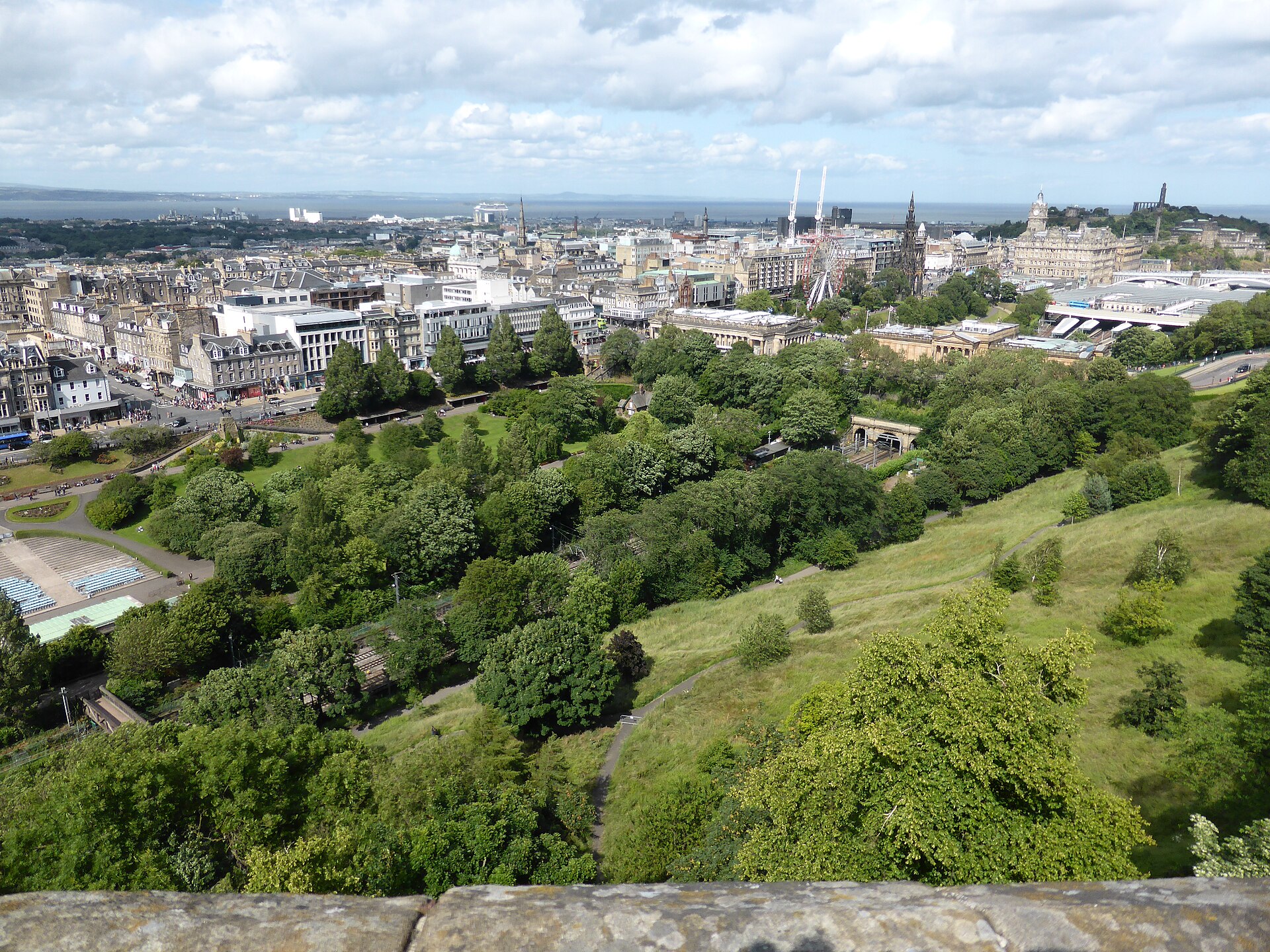
- Scotland: Edinburgh’s castle and Old Town, Glasgow’s culture, and the lochs, mountains and islands of the Highlands. See our Glasgow guide for Charles Rennie Mackintosh.
- Wales and the south-west: the castles and mountains of Snowdonia (Eryri) and the beaches and coves of Cornwall and Devon.
Stays
Compare places to stay in the UK
Opening soon
Things to do in the UK
London’s museums and sights
The British Museum, the National Gallery, Tate Modern and the Natural History Museum are free. Pay for the Tower of London, Westminster Abbey and the views from the London Eye or the Shard, and book West End theatre tickets ahead.
Royal and historic houses
Windsor Castle, Hampton Court Palace and the great country houses of the National Trust and English Heritage.
Stonehenge and Bath
The stone circle on Salisbury Plain combines well with a day in Bath; timed tickets are needed for Stonehenge.


Coast and countryside walks
The South Downs Way, the Jurassic Coast in Dorset, the Lake District and the Scottish Highlands offer some of Europe’s best walking, with pubs along the way.
Pubs and food
A Sunday roast, fish and chips by the sea, afternoon tea, and the food markets of London such as Borough Market.
Tours and activities
Compare tours and activities in the UK
Opening soon
Getting there and getting around
Arriving
- Heathrow: the Elizabeth line and the Piccadilly line run into central London; the Heathrow Express reaches Paddington in about 15 minutes.
- Gatwick: fast trains to London Victoria and London Bridge, and direct to Brighton.
- By train: Eurostar from Paris, Brussels and Amsterdam to London St Pancras.
Flights
Compare flights to the UK
Opening soon
Around the country
- In London, tap a contactless card or phone on the Underground, buses and trains. Daily and weekly caps mean you never pay more than a travelcard would cost.
- Trains run between all the main cities. Book ahead for the cheapest fares; walk-up fares at busy times can be expensive.
- Coaches are the budget alternative for longer distances.
Car hire
Not needed in London, where the Congestion Charge and the ULEZ low-emission zone add daily fees. A car is the best way to see the Cotswolds, the Lake District, Cornwall, Wales and the Scottish Highlands. Driving is on the left.
Car hire
Compare car hire in the UK
Opening soon
Staying connected
Coverage is good in towns but patchy in remote areas. Since Brexit, EU phone plans no longer include free roaming in the UK by law, though some still do; an eSIM is an easy way to avoid roaming charges.
eSIMs
Compare eSIMs for the UK
Opening soon
Before you go
- Entry rules: since 25 February 2026, visitors from countries that do not need a visa, including EU countries, the US, Canada and Australia, must have an Electronic Travel Authorisation (ETA) before they travel. It costs £20 (since 08 April 2026), is applied for online or in the official UK ETA app, is valid for two years and covers multiple visits. British and Irish citizens do not need one. Always check the official information on GOV.UK: Electronic Travel Authorisation before you travel.
- Plugs: the UK uses three-pin Type G plugs; bring an adapter.
- Weather: pack a light waterproof whatever the season.
- Tipping: around 10 to 12.5% in restaurants, often already added as a service charge.
Travel Emporium compares offers from trusted travel providers. When you book, you book and pay directly with the provider shown. Some links earn us a commission, at no extra cost to you. How we work