
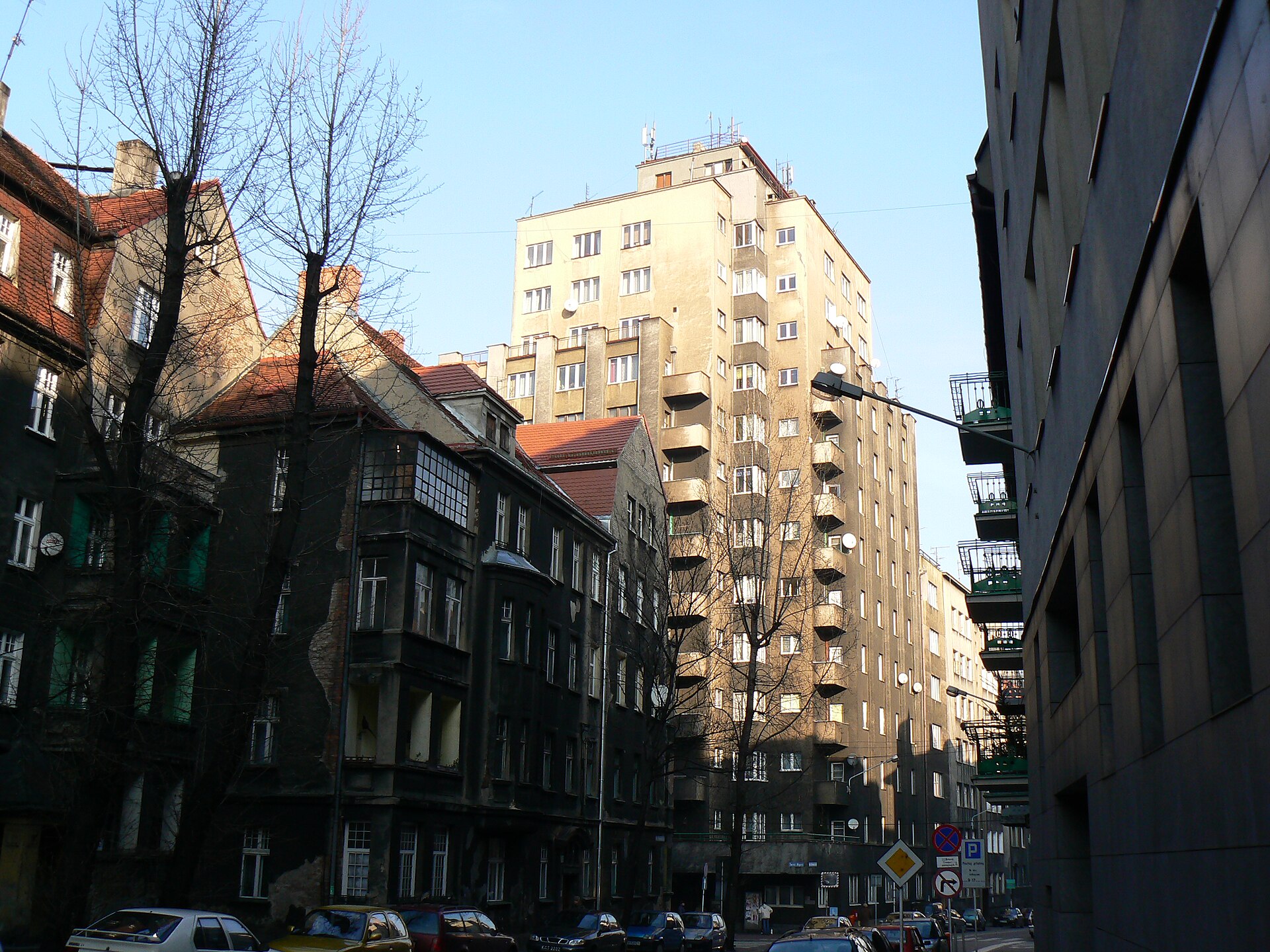

Katowice is a coal and steel city that has reinvented itself, and it holds some surprising treasures from the 1920s and 1930s. When this part of Upper Silesia became Polish in 1922, Katowice became a regional capital, and it built in the most modern style of the age: a vast parliament building, apartment blocks with rounded corners and balconies, and the Drapacz Chmur, one of the first steel-framed tall buildings in Poland. Add the red-brick miners’ estate of Nikiszowiec and a museum built into a former coal mine, and Katowice makes a fascinating short trip.
Facts checked: November 2026.
Katowice at a glance
- Best time to go: May to September.
- How long to stay: one or two days, or a day trip from Kraków.
- Getting there: trains from Kraków in about 1 hour and from Warsaw in about 2 hours 30 minutes to 3 hours; Katowice airport (KTW) is north of the city.
- Money: Polish złoty (PLN). Cards are accepted almost everywhere.
- Entry: Poland is in the EU and the Schengen area. Many non-EU visitors, including British, American, Canadian and Australian citizens, can visit visa-free for up to 90 days in any 180-day period. See Before you go below.
Then: a new capital between the wars
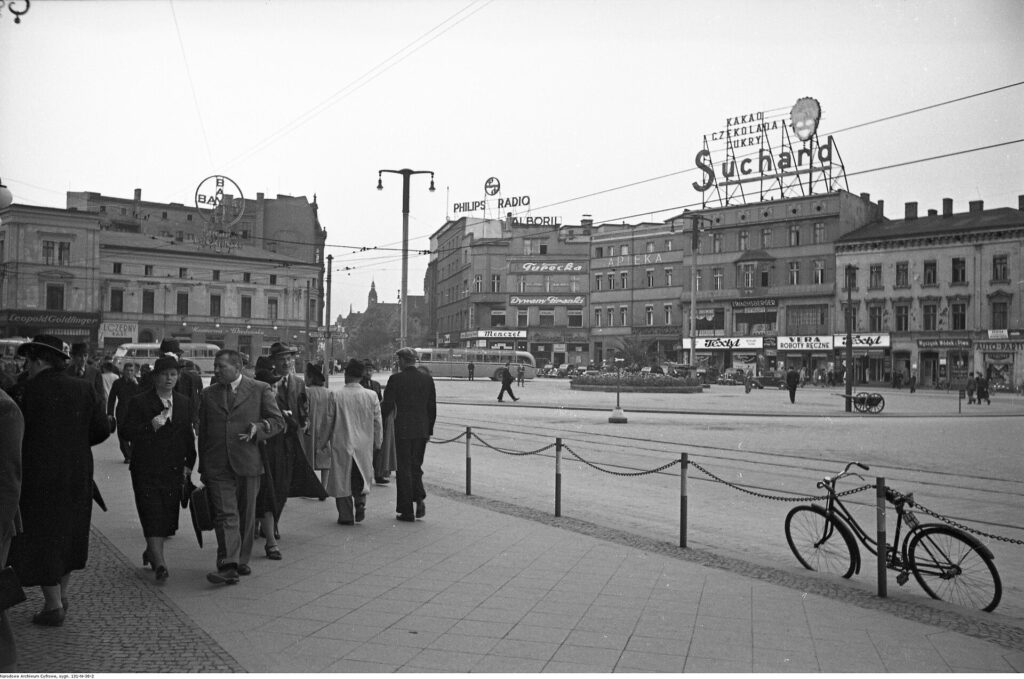

Before the First World War, Katowice was a fast-growing industrial town in Germany. After plebiscites and uprisings, the eastern part of Upper Silesia joined Poland in 1922, and Katowice became the capital of the new Silesian province, with its own parliament.
The new capital needed offices, homes and public buildings, and its architects chose functionalism and modernism. The Silesian Parliament and province offices were finished in 1929, and in 1934 the Drapacz Chmur, the “skyscraper”, rose above the city on its steel frame.
Where to stay
- The city centre: around the market square and the station, close to the interwar streets.
- Near the Culture Zone: beside the Silesian Museum, the concert hall and the Spodek arena.
- Kraków: if you prefer to stay in an old town, Katowice is an easy day trip.
Stays
Compare places to stay in Katowice
Opening soon
Modernist and heritage Katowice
The Drapacz Chmur
The “skyscraper” of 1934 on Żwirki i Wigury street, an apartment and office tower that was one of the tallest buildings in Poland of its day. Walk the streets around it for more interwar modernism.
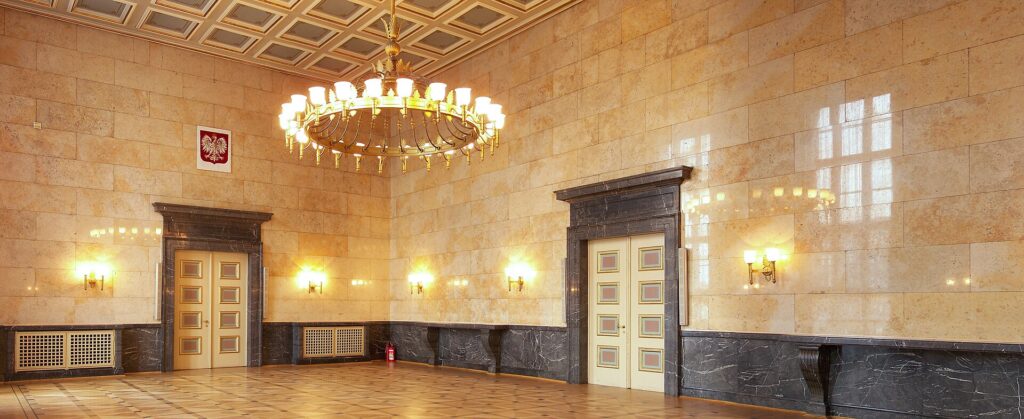

The Silesian Parliament
The province building of 1925 to 1929, one of the largest buildings in Poland when it was finished, with a marble hall and the old parliament chamber. Guided tours are offered on some days.
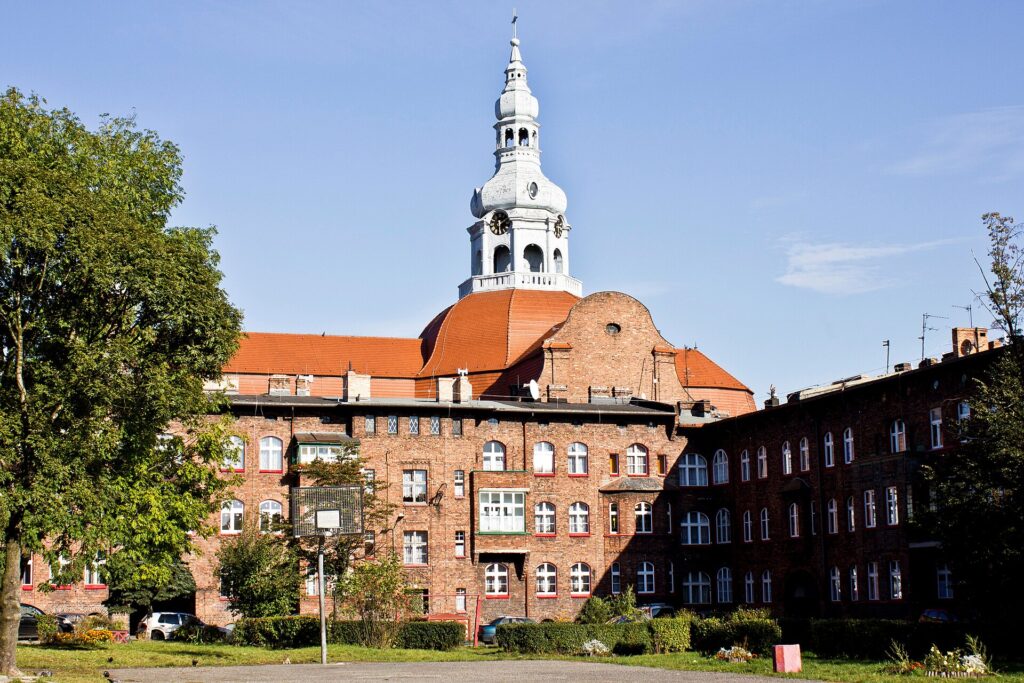

Nikiszowiec
A miners’ estate of red-brick houses built between 1908 and 1919, with courtyards, a church and small cafés and galleries, a short bus ride from the centre.
The Silesian Museum
A museum on the site of a former coal mine, with galleries deep underground and exhibitions on the art and history of Silesia.
Tours and activities
Compare tours and activities in Katowice
Opening soon
Getting there and getting around
Arriving
- By train: trains from Kraków, Warsaw, Wrocław and other cities arrive at Katowice station, in the centre.
- By air: Katowice airport (KTW) is about 30 kilometres north of the city, linked by bus; Kraków airport is also within reach.
Flights
Compare flights to Katowice
Opening soon
Around the city
- On foot in the centre, and by tram and bus for Nikiszowiec and the suburbs.
- Car hire is useful for the castles of the Polish Jura and the Beskid mountains.
Car hire
Compare car hire in Poland
Opening soon
Staying connected
Visitors with an EU phone plan can roam at home prices. Others, including many UK plans, may pay extra, so an eSIM with a data allowance is a simple alternative.
eSIMs
Compare eSIMs for Poland
Opening soon
Before you go
- Entry rules: EU and EEA citizens only need a valid ID card or passport. Many other nationalities, including British, American, Canadian and Australian citizens, can visit the Schengen area visa-free for up to 90 days in any 180-day period. At the border, the EU’s Entry/Exit System registers non-EU visitors with fingerprints and a photo. ETIAS, an online travel authorisation, is expected to start in 2027 and is not needed yet. Always check the latest official advice, for example GOV.UK travel advice for Poland, or your own government’s.
- Make it a journey: combine this city with its neighbours on our Interwar modernism by train route.
- Silesian Museum: the underground galleries can be cool; bring a layer.
- Opening days: many museums close on Mondays.
Travel Emporium compares offers from trusted travel providers. When you book, you book and pay directly with the provider shown. Some links earn us a commission, at no extra cost to you. How we work