
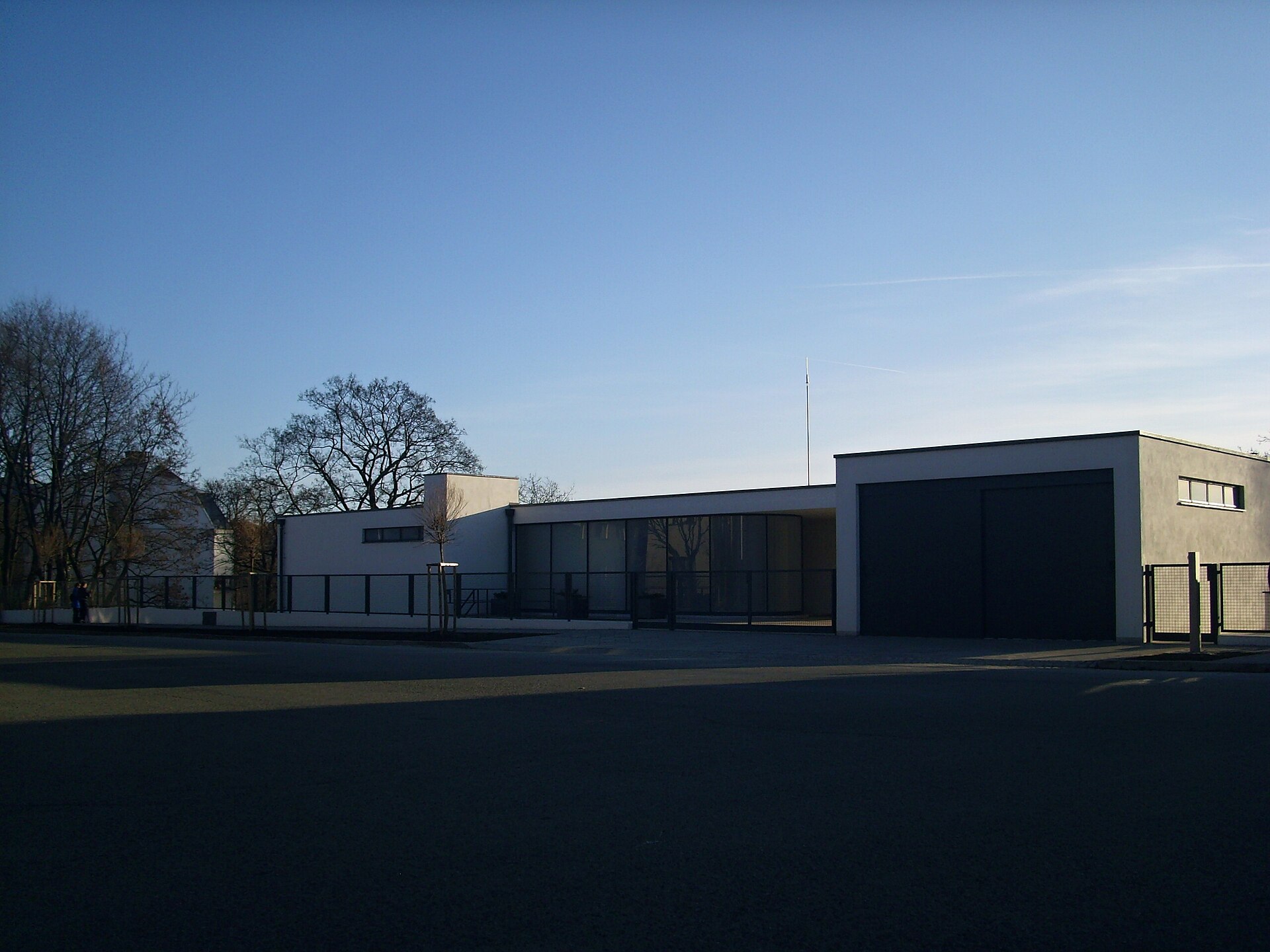
In the 1920s and 1930s Brno, the second city of the new Czechoslovakia, became one of the most modern cities in Europe. Its architects built white, flat-roofed cafés, hotels, schools and villas, the city opened an exhibition ground to celebrate the young republic, and Mies van der Rohe built the Villa Tugendhat, now a UNESCO World Heritage Site. Today Brno is a lively university city with good coffee, Moravian wine and far fewer crowds than Prague.
Facts checked: November 2026.
Brno at a glance
- Best time to go: May to September; the Christmas markets fill the squares in December.
- How long to stay: two days, or a long day trip from Vienna or Prague.
- Getting there: trains from Vienna and Bratislava in about 1 hour 30 minutes and from Prague in about 2 hours 30 minutes; direct buses from Vienna airport.
- Money: Czech koruna (CZK). Cards are accepted almost everywhere.
- Entry: Czechia is in the EU and the Schengen area. Many non-EU visitors, including British, American, Canadian and Australian citizens, can visit visa-free for up to 90 days in any 180-day period. See Before you go below.
Then: Brno between the wars


When Czechoslovakia was founded in 1918, Brno was a textile city, sometimes called the Moravian Manchester. Its factory owners and the new state wanted a modern face, and a generation of architects, led by Bohuslav Fuchs, gave it one: light, simple buildings of concrete and glass.
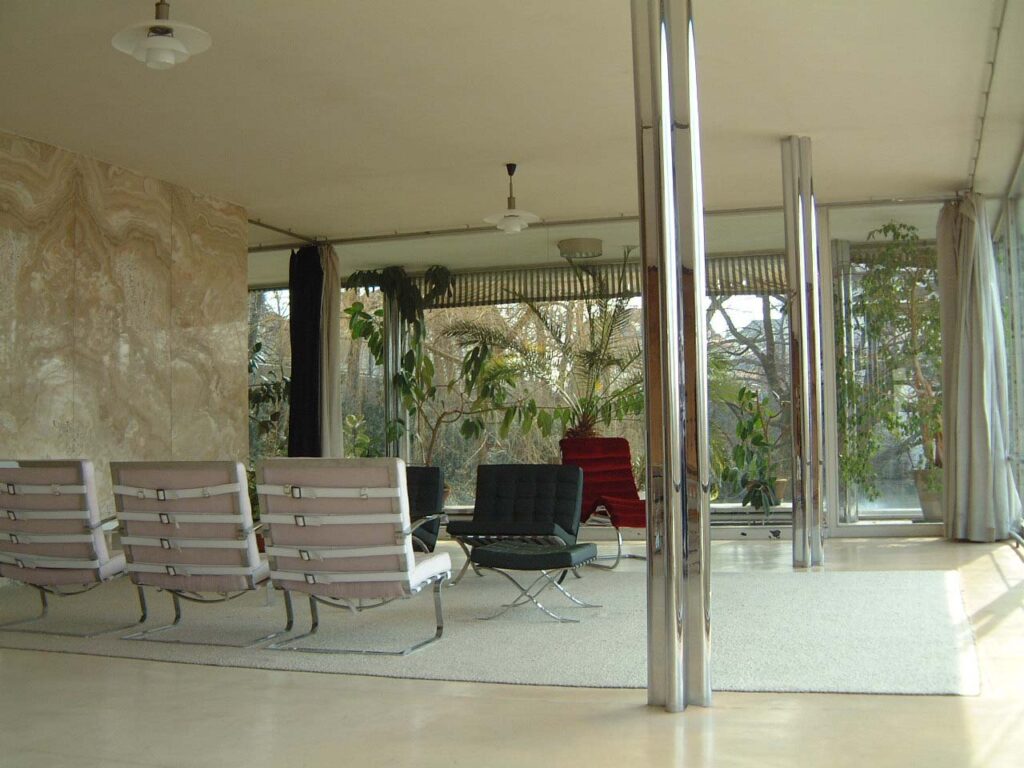
In 1928 the city opened its exhibition grounds with the Exhibition of Contemporary Culture, for the tenth anniversary of the republic. In the same years the textile family Tugendhat asked Ludwig Mies van der Rohe to build a house above the city; it was finished in 1930, with an open living room, a wall of onyx and windows that sink into the floor.
Where to stay
- The old town: around Freedom Square and the Cabbage Market, close to everything.
- Near the main station: convenient for trains and buses, a few minutes’ walk from the old town.
- Černá Pole: the leafy villa district near the Villa Tugendhat and the Lužánky park, quieter and residential.
Stays
Compare places to stay in Brno
Opening soon
Functionalist and heritage Brno
The Villa Tugendhat
Mies van der Rohe’s villa of 1928 to 1930, a UNESCO World Heritage Site, with its open living room, onyx wall and garden view over the city. Visits are by guided tour only; book online well in advance, as tickets often sell out weeks ahead.

The exhibition grounds
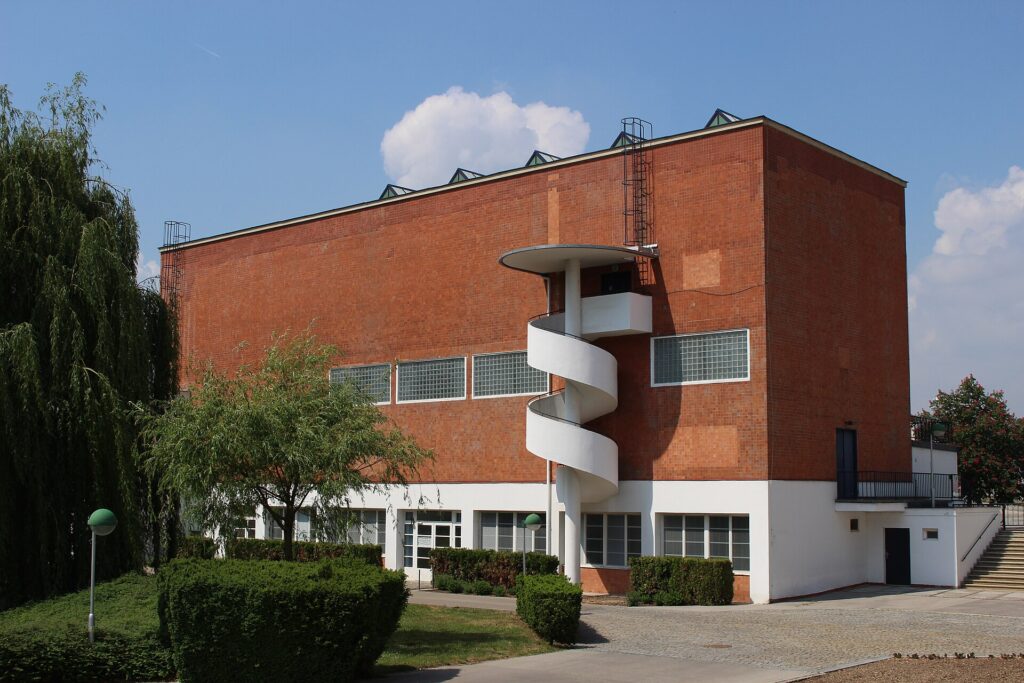
The trade fair grounds opened in 1928, with pavilions in the functionalist style for the Exhibition of Contemporary Culture. They are still used for fairs, and the grounds and park are pleasant to walk through.

Café Zeman and Hotel Avion
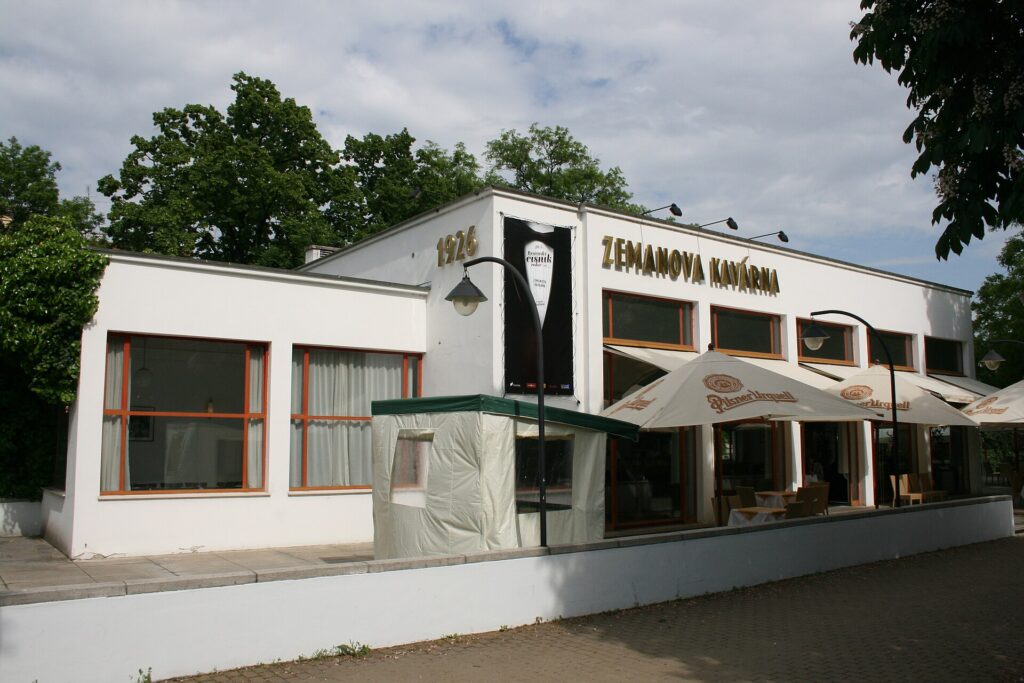
Bohuslav Fuchs’ café of 1925 was pulled down in 1964 and rebuilt near its old site in 1995, so you can again have coffee in a functionalist pavilion. In the old town, his narrow Hotel Avion of 1928 shows how much he could fit on a small plot; admire it from the street.
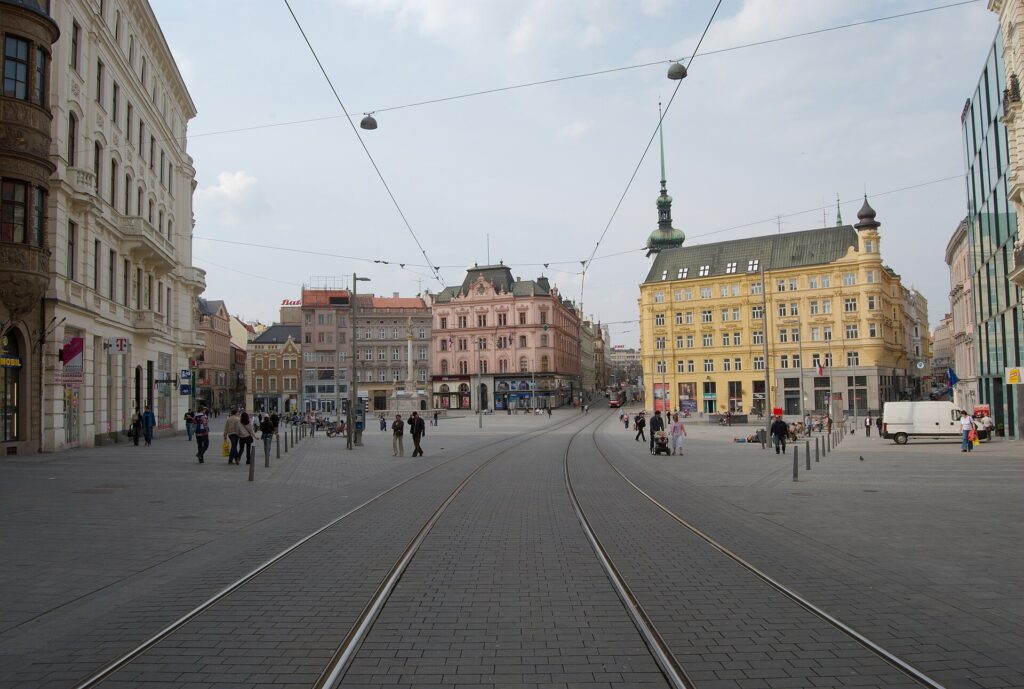

Freedom Square and the old town
The main square, with merchants’ houses from many centuries, leads to the Cabbage Market, the cathedral on Petrov hill and Špilberk castle with its views over the city.
Tours and activities
Compare tours and activities in Brno
Opening soon
Getting there and getting around
Arriving
- By train: direct trains from Vienna, Bratislava, Prague and Budapest arrive at Brno main station, close to the old town.
- By air: Brno has a small airport with few flights; most visitors fly to Vienna and take a direct bus or the train.
Flights
Compare flights to Vienna
Opening soon
Around the city
- On foot for the old town, and by tram for the Villa Tugendhat and the exhibition grounds; you can pay by bank card on board many trams and buses.
- Car hire is not needed in the city; it is useful for the wine villages of South Moravia, the Moravian Karst caves and the Lednice–Valtice landscape.
Car hire
Compare car hire in Czechia
Opening soon
Staying connected
Visitors with an EU phone plan can roam at home prices. Others, including many UK plans, may pay extra, so an eSIM with a data allowance is a simple alternative.
eSIMs
Compare eSIMs for Czechia
Opening soon
Before you go
- Entry rules: EU and EEA citizens only need a valid ID card or passport. Many other nationalities, including British, American, Canadian and Australian citizens, can visit the Schengen area visa-free for up to 90 days in any 180-day period. At the border, the EU’s Entry/Exit System registers non-EU visitors with fingerprints and a photo. ETIAS, an online travel authorisation, is expected to start in 2027 and is not needed yet. Always check the latest official advice, for example GOV.UK travel advice for the Czech Republic, or your own government’s.
- Day trip: Zlín, the functionalist town built by the Baťa shoe company, is about an hour and a half away by bus; see our Zlín guide.
- Make it a journey: combine this city with its neighbours on our Interwar modernism by train route.
- The Villa Tugendhat: book your tour as soon as you know your dates.
- Opening days: many museums close on Mondays.
Travel Emporium compares offers from trusted travel providers. When you book, you book and pay directly with the provider shown. Some links earn us a commission, at no extra cost to you. How we work