
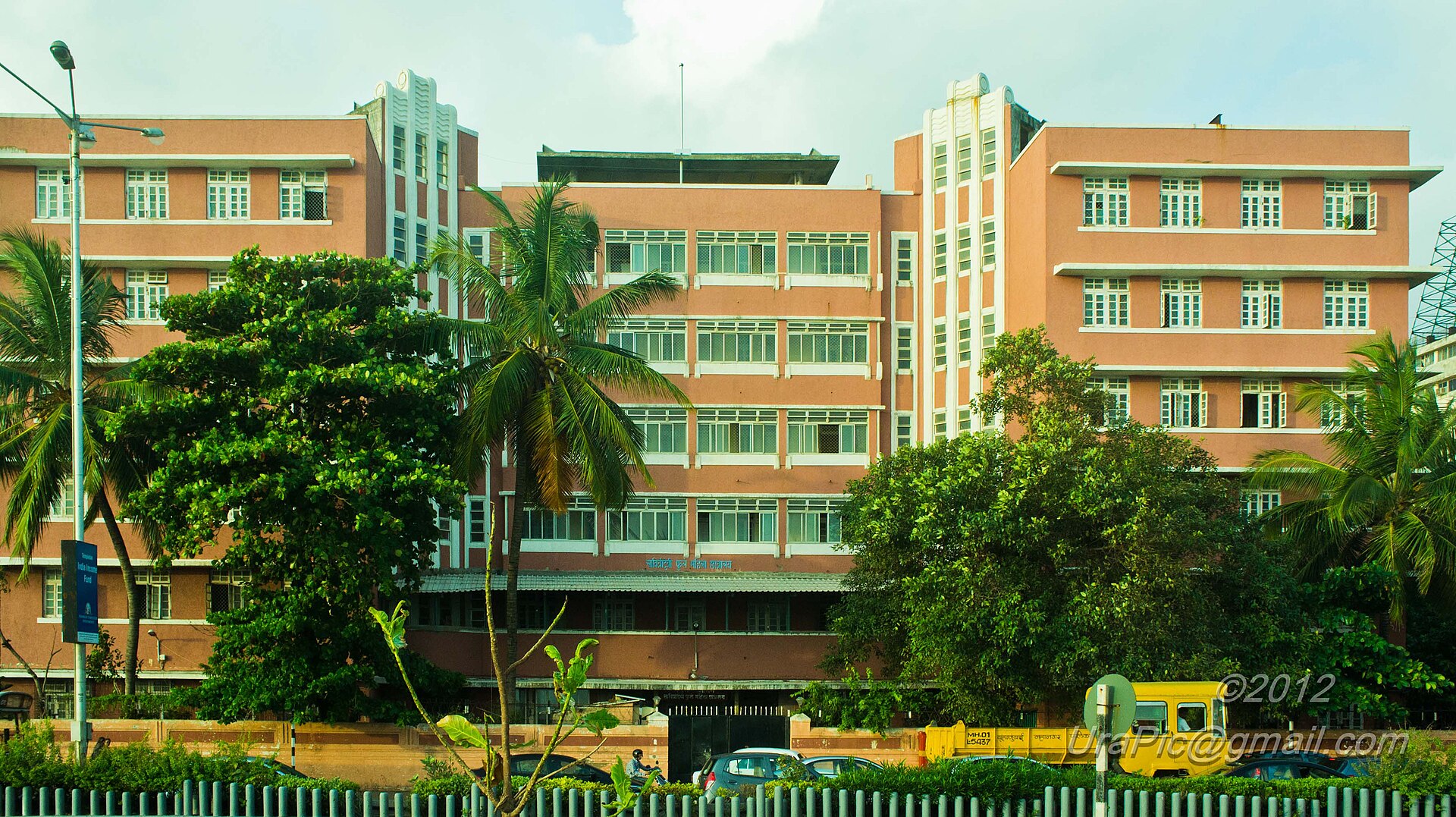

Mumbai has one of the largest collections of Art Deco buildings in the world. Along Marine Drive and around the Oval Maidan, cream and pastel apartment blocks with rounded balconies and sunburst gates face the Arabian Sea, and across the grass stand the Victorian Gothic towers of the old Bombay. Together they form a UNESCO World Heritage Site, in the middle of one of the most exciting cities in Asia.
Facts checked: November 2026.
Mumbai at a glance
- Best time to go: November to February, when it is dry and less hot; the monsoon brings heavy rain from about June to September.
- How long to stay: three days, more with a ferry trip to the Elephanta Caves.
- Airport: Chhatrapati Shivaji Maharaj International Airport (BOM).
- Money: Indian rupee (INR). Cards are widely accepted in hotels, restaurants and shops; carry some cash for taxis and small purchases.
- Entry: most visitors need a visa. British, EU, American, Canadian and Australian citizens can apply online for an Indian e-Visa. See Before you go below.
Then: Bombay in the 1930s
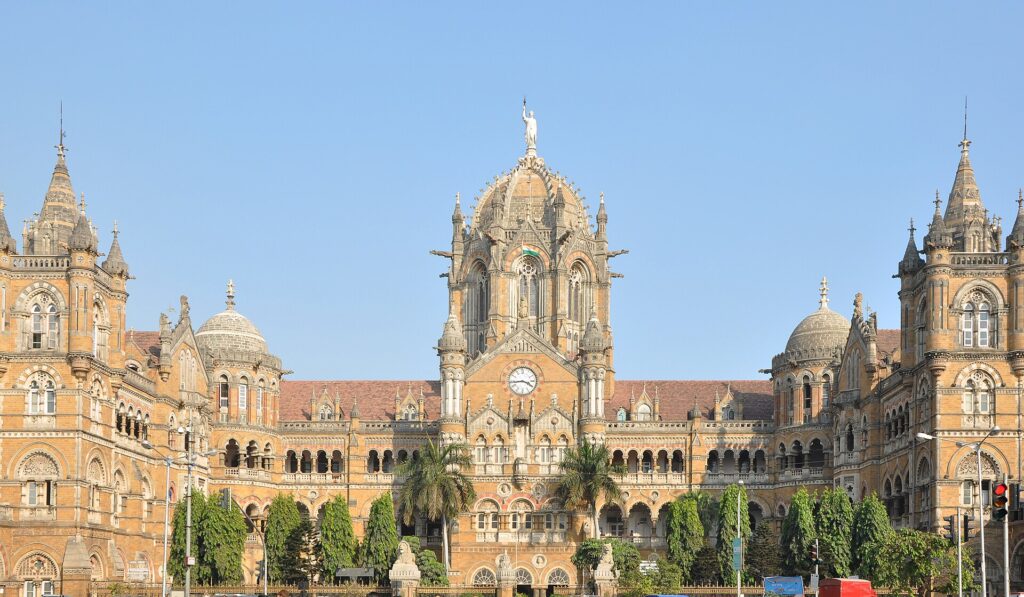

In the 19th century Bombay built in Victorian Gothic: the railway terminus, the university and the High Court, all spires and arches. In the 1920s and 1930s land was reclaimed from the sea at Back Bay, and a new generation of Indian architects filled it with Art Deco: apartment blocks along Marine Drive and the Oval Maidan, and grand cinemas such as the Regal, opened in 1933, and the Eros, opened in 1938.
They gave the style a local accent, with motifs from Indian temples, ships and the sea, sometimes called Indo-Deco. In 2018 the two ensembles, Victorian Gothic and Art Deco, facing each other across the Oval Maidan, were listed together as a UNESCO World Heritage Site.
Where to stay
- Colaba: near the Gateway of India, with heritage hotels, cafés and the Regal Cinema; busy and central.
- Churchgate and Marine Drive: the Art Deco heart of the city, with sea views.
- Fort and Kala Ghoda: Victorian Gothic streets, galleries and restaurants.
- Bandra: further north, with a lively food and nightlife scene, closer to the airport.
Stays
Compare places to stay in Mumbai
Opening soon
Art Deco and heritage Mumbai
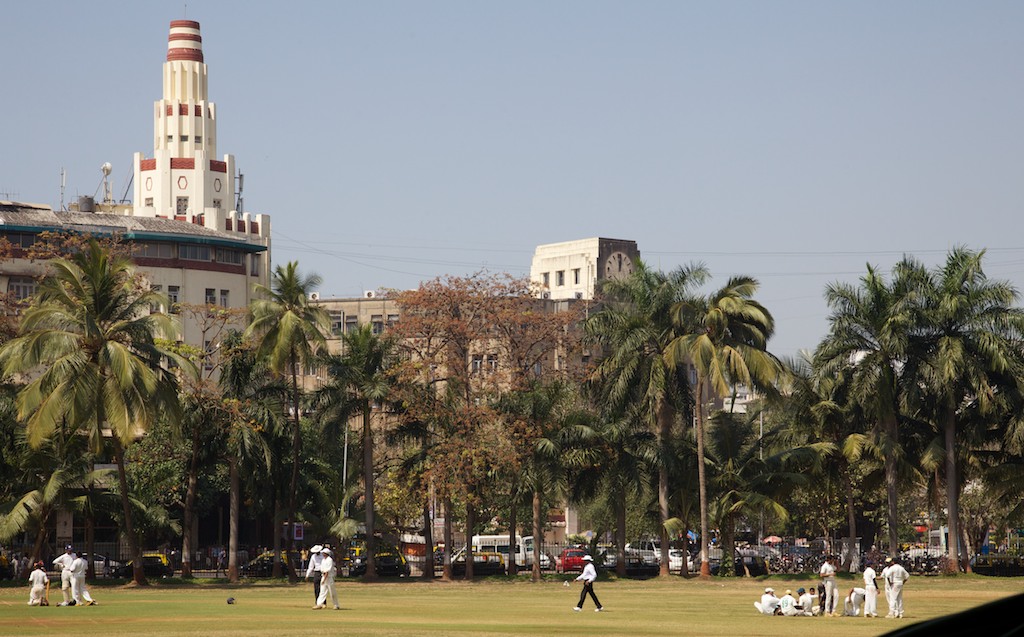

The Oval Maidan
The best place to see both styles at once: Victorian Gothic on the east side, Art Deco on the west, with cricket matches on the grass between them. Come in the late afternoon light.
Marine Drive
A promenade of more than three kilometres along the Back Bay, lined with Art Deco apartment blocks. At night its curve of lights is known as the Queen’s Necklace; join the city for a sunset walk.
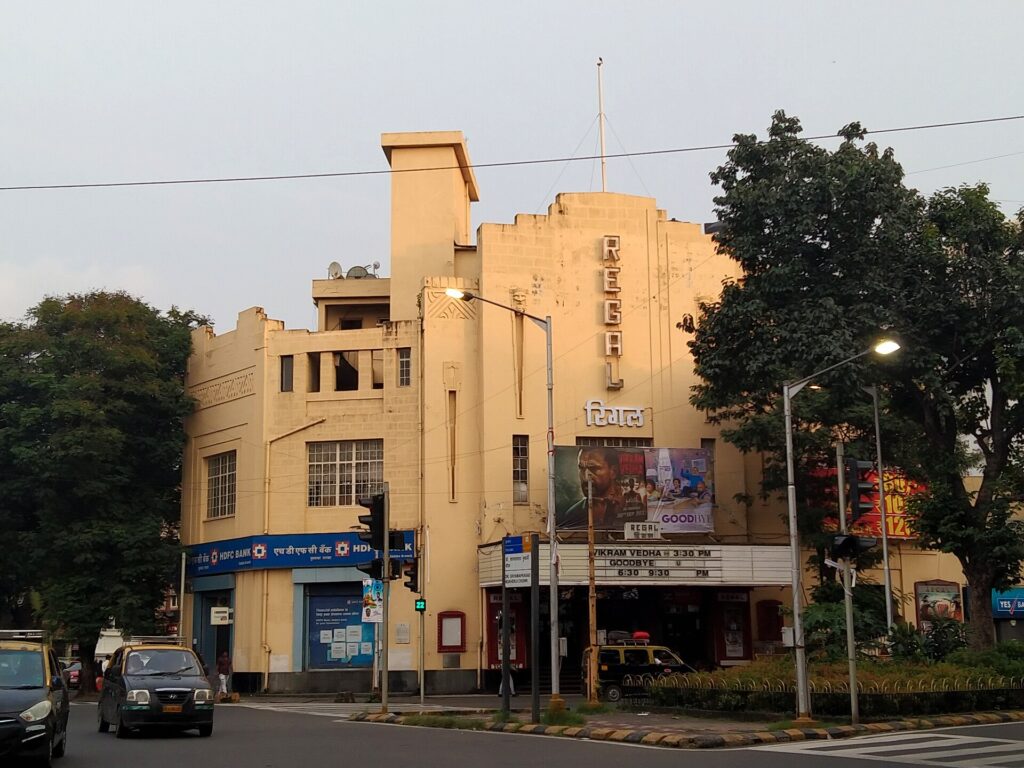

The Art Deco cinemas
The Regal in Colaba, the Eros at Churchgate and the Liberty near Marine Lines are among the finest Art Deco cinemas in Asia. Look at the facades, and catch a film if you can.
Chhatrapati Shivaji Maharaj Terminus
The great Victorian Gothic railway station, opened in 1888 as Victoria Terminus and still one of the busiest in India. It is a UNESCO World Heritage Site of its own.
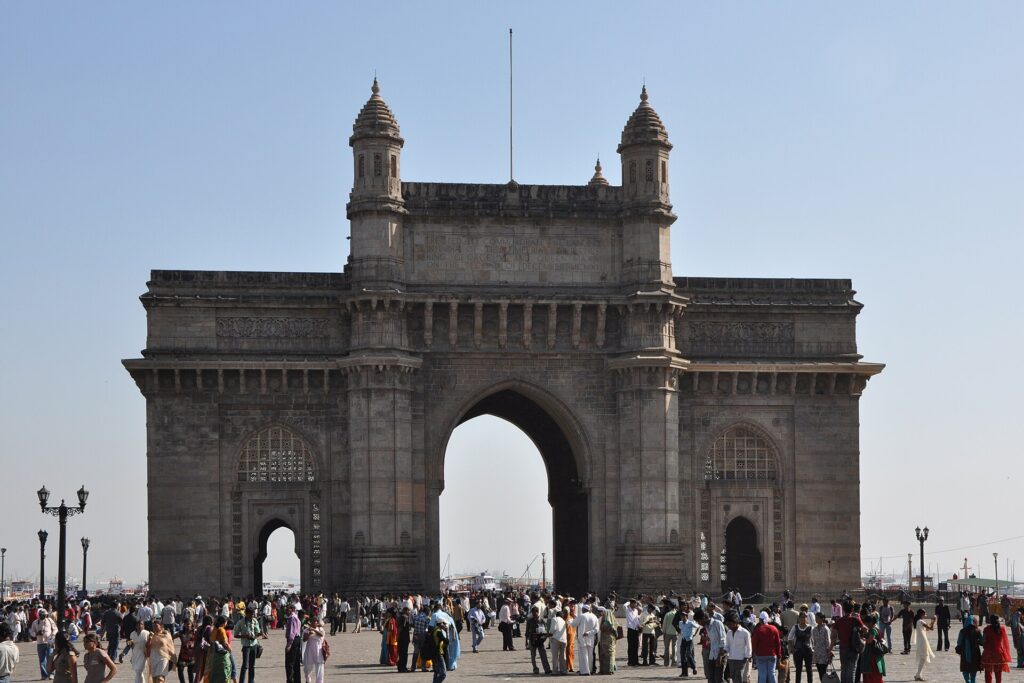

The Gateway of India
The arch on the waterfront, finished in 1924, faces the harbour beside the Taj Mahal Palace hotel. Ferries leave from here for the rock-cut temples of the Elephanta Caves.
Kala Ghoda
The arts district between Colaba and Fort, with galleries, museums, bookshops and some of the city’s best restaurants.
Tours and activities
Compare tours and activities in Mumbai
Opening soon
Getting there and getting around
Arriving
- By air: taxis and app-based cars take about an hour to South Mumbai, often more in traffic; plan around the rush hours.
- By train: long-distance trains from across India arrive at Chhatrapati Shivaji Maharaj Terminus and Mumbai Central.
Flights
Compare flights to Mumbai
Opening soon
Around the city
- On foot for Colaba, Fort and the Oval Maidan, which are close together.
- Taxis and app-based cars for longer trips; the suburban trains are fast but very crowded at rush hour.
- Car hire: driving yourself in Mumbai is not recommended; hiring a car with a driver is common for day trips.
Staying connected
An eSIM with an Indian data plan avoids expensive roaming; check before you buy that the eSIM works in India, as rules for foreign SIMs can change.
eSIMs
Compare eSIMs for India
Opening soon
Before you go
- Entry rules: apply for an e-Visa only on the Government of India’s official website, and beware of look-alike sites that charge extra. Always check the latest official advice, for example GOV.UK travel advice for India, or your own government’s.
- Heat and monsoon: carry water, sun cream and a light rain jacket from June to September.
- Dress: cover shoulders and knees, and take off your shoes, at temples and mosques.
- Combine it: for the imperial capital of the 1930s, see our New Delhi guide.
Travel Emporium compares offers from trusted travel providers. When you book, you book and pay directly with the provider shown. Some links earn us a commission, at no extra cost to you. How we work